Advanced Food Hygiene Inspection Preparation: Industry Secrets from Top-Rated UK Venues
Discover the industry secrets and advanced preparation strategies that help top-rated UK hospitality venues consistently ace their food hygiene inspections.
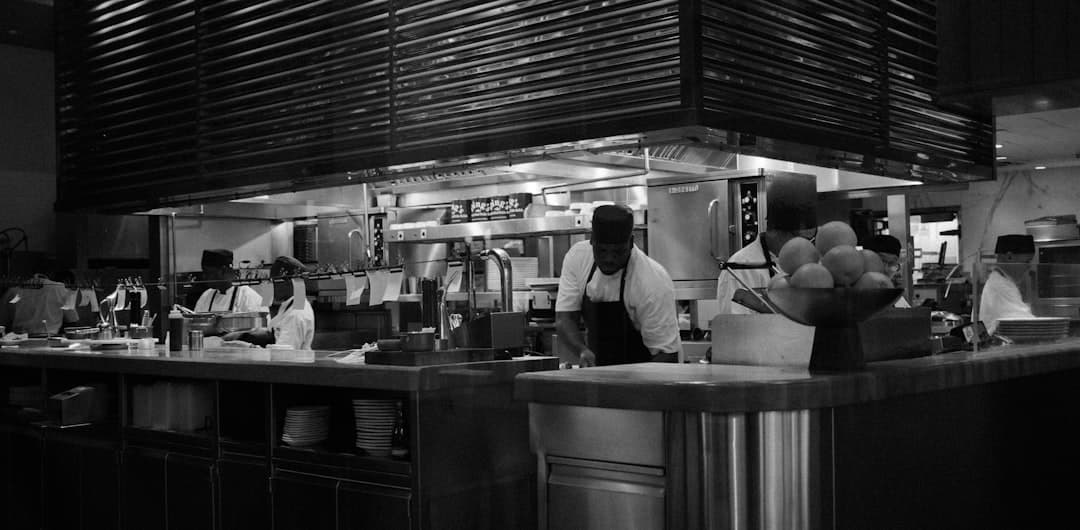
 Photo: Photo by Centre for Ageing Better on Unsplash
Behind every 5-star food hygiene rating lies a sophisticated preparation strategy that goes far beyond basic compliance. This comprehensive guide reveals the advanced techniques and industry secrets that top-rated UK hospitality venues use to consistently excel in their inspections, turning what many see as a stressful ordeal into a competitive advantage.
The Strategic Mindset: Thinking Beyond Compliance
Successful venues approach food hygiene inspections as opportunities to showcase operational excellence rather than hurdles to overcome. This mindset shift transforms how you prepare, document, and present your food safety systems to Environmental Health Officers (EHOs).
Industry leaders understand that a robust food hygiene inspection checklist serves multiple purposes: it ensures legal compliance, protects brand reputation, and provides competitive differentiation. More importantly, it creates operational efficiency that reduces costs whilst enhancing food quality.
Advanced Documentation Strategies
Exceptional venues go beyond basic record-keeping to create comprehensive documentation systems that impress inspectors and streamline operations. Here's how they do it:
Digital integration: Use modern hospitality management software to automatically capture temperature logs, cleaning schedules, and training records with timestamps and photo evidence
Trend analysis: Maintain rolling 12-month data analysis showing continuous improvement in food safety metrics
Incident logging: Document and analyse near-misses and corrective actions to demonstrate proactive risk management
Supplier verification: Maintain detailed records of supplier audits, certifications, and performance metrics
The Pre-Inspection Intelligence Gathering Phase
Top-performing venues conduct comprehensive pre-inspection audits using methodologies that mirror actual EHO assessments. This involves engaging third-party consultants or training senior staff to evaluate operations with the same scrutiny as an official inspection.
Smart operators also research their assigned EHO's inspection history and preferences through local authority records and industry networks. Understanding an inspector's typical focus areas and communication style helps tailor presentation approaches for maximum effectiveness.
Building Your Advanced Food Hygiene Inspection Checklist
Whilst basic checklists cover minimum requirements, advanced versions incorporate predictive elements and demonstrate continuous improvement. Your comprehensive food hygiene inspection checklist should include:
Equipment calibration schedules with next service dates clearly displayed
Staff competency matrices showing progression through training levels
Seasonal menu risk assessments with mitigation strategies
Customer feedback analysis related to food quality and safety
Waste reduction metrics demonstrating efficient food management
The Psychology of Inspector Engagement
Successful venue managers understand that inspections are collaborative conversations rather than adversarial examinations. They prepare designated staff members to serve as knowledgeable guides who can articulate the reasoning behind food safety decisions.
These 'inspection ambassadors' are trained to volunteer information proactively, demonstrate genuine pride in food safety achievements, and engage inspectors as professional peers rather than enforcement officers. This approach creates positive inspection experiences that often result in helpful feedback and industry best practice sharing.
Technology Integration for Seamless Compliance
Leading venues leverage integrated technology platforms that connect food safety monitoring with broader operational management. These systems automatically flag potential issues, schedule preventive maintenance, and generate compliance reports that exceed FSA requirements.
Smart sensors monitor critical control points continuously, creating audit trails that demonstrate consistent adherence to food safety protocols. Mobile applications enable real-time reporting and instant corrective action documentation, ensuring your food hygiene inspection checklist remains current and comprehensive.
Staff Empowerment and Cultural Integration
Exceptional venues create food safety cultures where every team member becomes a quality guardian. This involves implementing recognition programmes that celebrate food safety achievements, establishing clear escalation procedures for identifying risks, and ensuring all staff understand how their roles contribute to overall compliance.
Regular 'mystery shopper' exercises using food safety criteria help maintain standards between official inspections whilst building team confidence. Staff who feel empowered to identify and resolve food safety issues become valuable assets during inspections.
Post-Inspection Excellence and Continuous Improvement
Top-rated venues treat inspection results as valuable business intelligence. They conduct detailed post-inspection reviews that analyse not just compliance outcomes but operational efficiency impacts and customer experience implications.
Even perfect inspection results trigger improvement initiatives, as industry leaders understand that standing still in food safety means falling behind evolving best practices and regulatory expectations.
Building Competitive Advantage Through Food Safety Excellence
Advanced food hygiene inspection preparation creates multiple business benefits beyond compliance. Consistent high ratings become powerful marketing tools, operational efficiency improvements reduce costs, and staff confidence enhances service quality.
Moreover, venues with exemplary food safety records often become industry reference sites, attracting positive attention from suppliers, partners, and potential staff members who value professional excellence.
Your comprehensive food hygiene inspection checklist should evolve continuously, incorporating new regulations, industry innovations, and operational insights. By adopting these advanced strategies, you transform food hygiene compliance from a regulatory burden into a strategic advantage that drives business success whilst protecting public health.