Preventing Cross Contamination in Commercial Kitchens
Learn how to prevent cross contamination in your food business. Understand the types of contamination, high-risk situations, and practical control measures for commercial kitchens.
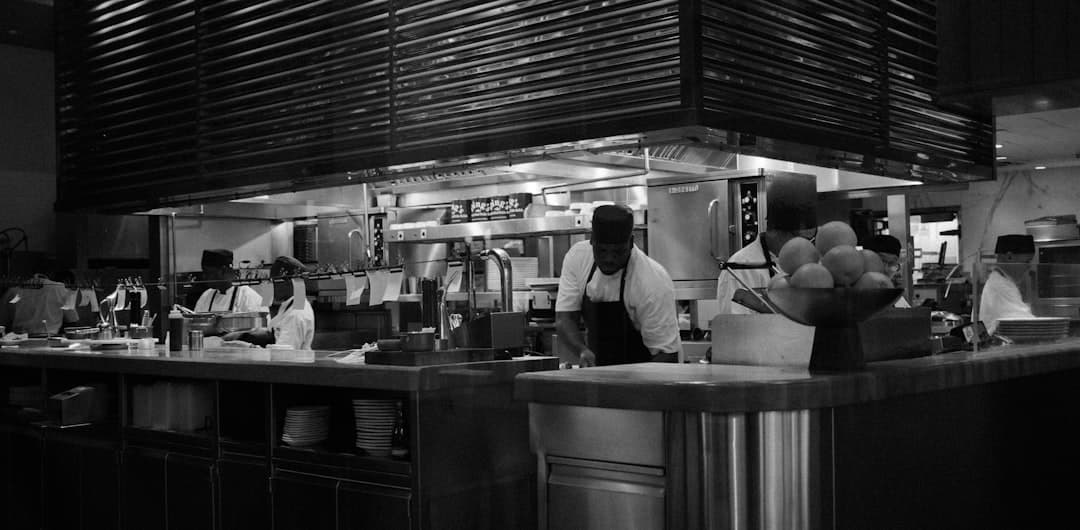
 Photo: Photo by Jinhan Moon on Unsplash
Cross contamination is one of the leading causes of food poisoning outbreaks. It occurs when harmful microorganisms, allergens, or foreign objects are transferred from one food, surface, or person to another. Understanding and preventing cross contamination is essential for any food business.
Types of Cross Contamination
Cross contamination can occur in several ways:
Direct Contamination
When contaminated food touches another food directly. For example, raw chicken dripping onto ready-to-eat salad, or storing uncovered raw meat above cooked products in a fridge.
Indirect Contamination
When contamination is transferred via an intermediate surface, equipment, or hands. This is often more insidious and harder to detect. Examples include using the same chopping board for raw meat and vegetables, or handling raw products then touching door handles.
Allergen Cross-Contact
When foods containing allergens come into contact with allergen-free foods. Even trace amounts can trigger severe reactions in sensitive individuals. This requires particular attention as allergens aren't destroyed by cooking.
High-Risk Situations
Be especially vigilant in these common cross contamination scenarios:
Handling raw meat, poultry, or fish
Using shared equipment or surfaces
Working in cramped spaces with limited preparation areas
During busy service periods when shortcuts are tempting
When receiving and storing deliveries
Preparing foods containing major allergens
Control Measures: Separation
Physical separation is the most effective way to prevent cross contamination:
Use separate fridges for raw and cooked foods where possible
Store raw meat on the lowest shelves, below ready-to-eat foods
Use colour-coded chopping boards (red for raw meat, blue for fish, green for vegetables, yellow for cooked meat, white for dairy)
Designate specific equipment for allergen-free preparation
Create separate preparation areas for raw and cooked foods
Schedule preparation of allergen-containing foods at different times
Control Measures: Cleaning
Effective cleaning removes contamination from surfaces and equipment:
Clean and disinfect surfaces between tasks, especially after handling raw foods
Use appropriate sanitisers — check they're food-safe and used at correct dilution
Follow the two-stage process: clean to remove visible dirt, then disinfect
Pay attention to handles, taps, and other frequently touched surfaces
Clean equipment thoroughly, including blades, seals, and hard-to-reach areas
Change cloths regularly and avoid using the same cloth for different tasks
Control Measures: Personal Hygiene
Food handlers are a major vector for cross contamination:
Wash hands thoroughly and frequently, especially after handling raw foods
Change gloves between tasks — gloves don't replace handwashing
Wear clean protective clothing
Tie back hair and avoid touching face or hair while working
Don't work with food when suffering from diarrhoea or vomiting
Cover cuts and sores with waterproof, brightly coloured plasters
Workflow Design
Good kitchen design helps prevent cross contamination:
Arrange workflow to move from raw to cooked (linear flow)
Avoid backtracking through the kitchen
Position handwash basins conveniently near food preparation areas
Ensure adequate space for separate preparation activities
Design storage to facilitate proper separation
Key Takeaways
Cross contamination transfers hazards between foods, surfaces, and people
Separation, cleaning, and personal hygiene are the main control measures
Use colour-coded equipment to prevent confusion
Clean and disinfect between tasks, especially after raw food handling
Good kitchen design supports contamination prevention
Allergen cross-contact requires special attention