Complete Guide to Food Hygiene Inspection Checklist for UK Hospitality Businesses
Master your food hygiene inspection checklist with this comprehensive guide covering essential requirements, practical templates, and year-round compliance strategies for UK hospitality.
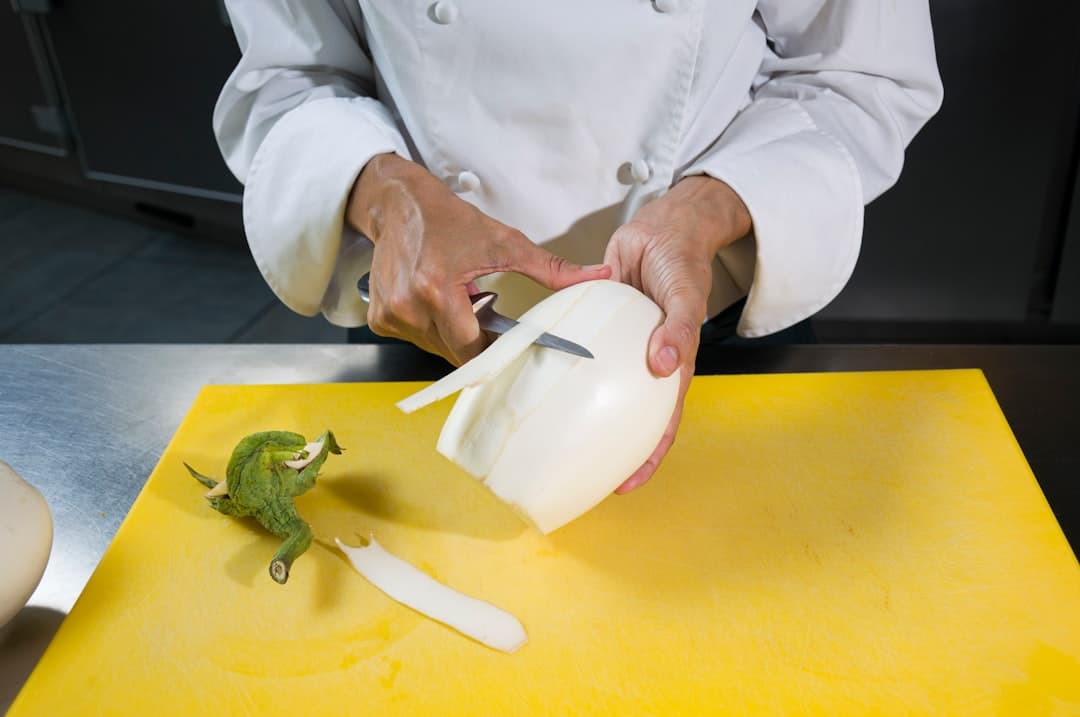 Photo: Photo by Eder Pozo Pérez on Unsplash
A robust food hygiene inspection checklist is the backbone of any successful UK hospitality operation. Whether you're running a bustling London restaurant, a cosy Yorkshire pub, or a boutique Scottish hotel, having the right systems in place ensures you're always inspection-ready whilst maintaining the highest standards for your customers.
This comprehensive guide will help you build, implement, and maintain an effective food hygiene inspection checklist that goes beyond basic compliance to create a culture of excellence in your establishment.
Understanding the Purpose of Your Food Hygiene Inspection Checklist
Your food hygiene inspection checklist serves multiple critical functions beyond simply ticking boxes for compliance. It acts as your daily quality assurance tool, staff training guide, and legal protection document all rolled into one.
Under UK food safety legislation, including the Food Safety Act 1990 and Food Hygiene Regulations 2006, you must demonstrate 'due diligence' in maintaining food safety standards. A well-documented checklist system provides crucial evidence that you're taking all reasonable precautions.
Core Categories for Your Inspection Checklist Framework
An effective food hygiene inspection checklist should be structured around these fundamental categories:
Personal Hygiene and Staff Practices - Hand washing stations, protective clothing, illness reporting procedures
Food Storage and Temperature Control - Refrigeration checks, stock rotation, delivery inspections
Kitchen Equipment and Maintenance - Cleaning schedules, calibration records, repair documentation
Cleaning and Sanitisation Procedures - Deep cleaning schedules, chemical storage, surface testing
Pest Control Measures - Monitoring stations, exclusion methods, contractor visits
Allergen Management - Labelling compliance, cross-contamination prevention, staff training records
Designing Multi-Frequency Checklists for Complete Coverage
Rather than relying on a single comprehensive checklist, successful hospitality businesses implement a tiered system that addresses different inspection frequencies and responsibilities.
Daily checklists should focus on operational essentials: temperature checks, cleaning verification, stock condition assessments, and staff hygiene compliance. These quick, targeted checks take 15-20 minutes but catch 80% of potential issues.
Weekly checklists dive deeper into maintenance issues, equipment calibration, deep cleaning verification, and stock rotation compliance. Monthly audits should encompass comprehensive system reviews, training record updates, and supplier compliance verification.
Critical Control Points and Measurable Standards
Your food hygiene inspection checklist must include specific, measurable criteria rather than subjective assessments. Instead of 'kitchen appears clean', specify 'all work surfaces sanitised with approved solution and air-dried' with timestamp and signature requirements.
Temperature monitoring represents the most critical measurable element. Your checklist should specify exact temperature ranges for different storage areas, cooking processes, and holding procedures, with mandatory corrective actions when parameters are exceeded.
Refrigerated storage: 0-5°C maximum, with immediate investigation if above 8°C
Frozen storage: -18°C or below, with defrost cycle documentation
Hot holding: minimum 63°C, checked every 2 hours during service
Core cooking temperatures: minimum 75°C for poultry, 70°C for other meats
Documentation Standards and Audit Trails
Effective documentation transforms your food hygiene inspection checklist from a compliance exercise into a powerful business intelligence tool. Every entry should include date, time, inspector name, and any corrective actions taken.
Maintain records for at least two years, as required by UK regulations, but consider keeping critical documentation longer to identify trends and demonstrate continuous improvement. Digital systems excel here, automatically timestamping entries and preventing retrospective alterations.
When discrepancies arise, your checklist system should trigger immediate corrective action protocols. Document not just what was wrong, but what steps were taken to address the issue and prevent recurrence.
Staff Training Integration and Accountability
Your food hygiene inspection checklist becomes most effective when every team member understands their role in maintaining standards. Design checklists with clear responsibility assignments - who checks what, when, and how to escalate issues.
Create role-specific mini-checklists that align with job functions. Kitchen assistants might focus on basic cleaning and temperature checks, whilst head chefs oversee food preparation standards and supplier compliance. Front-of-house staff should understand their role in allergen management and customer safety.
Regular training refreshers should incorporate actual checklist findings. When your monthly audit reveals recurring issues with hand-washing compliance, use this real data to drive targeted retraining rather than generic reminders.
Seasonal Variations and Special Event Considerations
UK hospitality businesses face unique seasonal challenges that standard checklists might miss. Summer outdoor dining requires additional pest control measures and temperature monitoring for al fresco service areas. Winter heating systems can affect kitchen ventilation and humidity levels.
Special events demand enhanced checklist protocols. Wedding receptions, corporate functions, and holiday bookings often involve higher volumes, extended service periods, and temporary staff. Your inspection checklist should include event-specific modules covering additional refrigeration, extended holding times, and temporary equipment safety.
Technology Solutions for Modern Checklist Management
Digital platforms revolutionise food hygiene inspection checklist management by eliminating paperwork, providing real-time alerts, and generating comprehensive reports for management review. Mobile-friendly systems allow staff to complete checks using tablets or smartphones, automatically syncing data to central databases.
Advanced systems integrate with temperature monitoring equipment, automatically logging readings and triggering alerts when parameters are exceeded. Photo documentation capabilities allow staff to capture evidence of issues or corrective actions, creating visual audit trails that enhance compliance demonstrations.
Cloud-based solutions ensure data backup and accessibility across multiple locations, whilst analytics features identify trends and predict potential issues before they become compliance problems.
Common Pitfalls and How to Avoid Them
Many hospitality businesses create overly complex checklists that become burdensome rather than helpful. Focus on critical control points that genuinely impact food safety rather than exhaustive lists that encourage tick-box mentality without meaningful assessment.
Inconsistent completion represents another major issue. When different staff members interpret checklist requirements differently, you lose the standardisation that makes inspections meaningful. Provide clear definitions and examples for every checklist item, with photographic guidance where appropriate.
Failing to act on checklist findings defeats the entire purpose. Every identified issue must trigger appropriate corrective action, from immediate fixes to system improvements that prevent recurrence.
Measuring Success and Continuous Improvement
Your food hygiene inspection checklist should evolve based on performance data and changing regulations. Monthly reviews should analyse completion rates, common issues, and effectiveness of corrective actions. This data drives improvements to both checklist content and implementation processes.
Track key performance indicators such as inspection completion rates, time-to-resolution for identified issues, and correlation between internal audit findings and official EHO visits. Successful businesses typically see 95%+ checklist completion rates and resolution of non-critical issues within 24 hours.
Regular benchmarking against industry standards and regulatory updates ensures your checklist remains current and comprehensive. Subscribe to FSA updates, participate in industry forums, and consider annual reviews with food safety consultants to maintain best-practice standards.
Building Your Inspection-Ready Culture
The most effective food hygiene inspection checklist becomes invisible to daily operations because standards are embedded in workplace culture rather than enforced through documentation alone. When food safety becomes 'how we do things here' rather than 'what we must check', compliance becomes natural and sustainable.
This cultural transformation requires leadership commitment, consistent communication, and recognition systems that celebrate food safety achievements alongside commercial success. Your checklist system should support and measure this culture rather than replace it.
Remember that your food hygiene inspection checklist represents far more than regulatory compliance - it's your commitment to customer safety, staff development, and business reputation. Invest the time to create comprehensive, practical systems, and you'll find that excellence becomes your natural operating standard.