Food Hygiene Inspection: The Psychology and People Behind the Process
Discover what really drives food hygiene inspection outcomes and how understanding inspector psychology can transform your approach to compliance and business success.
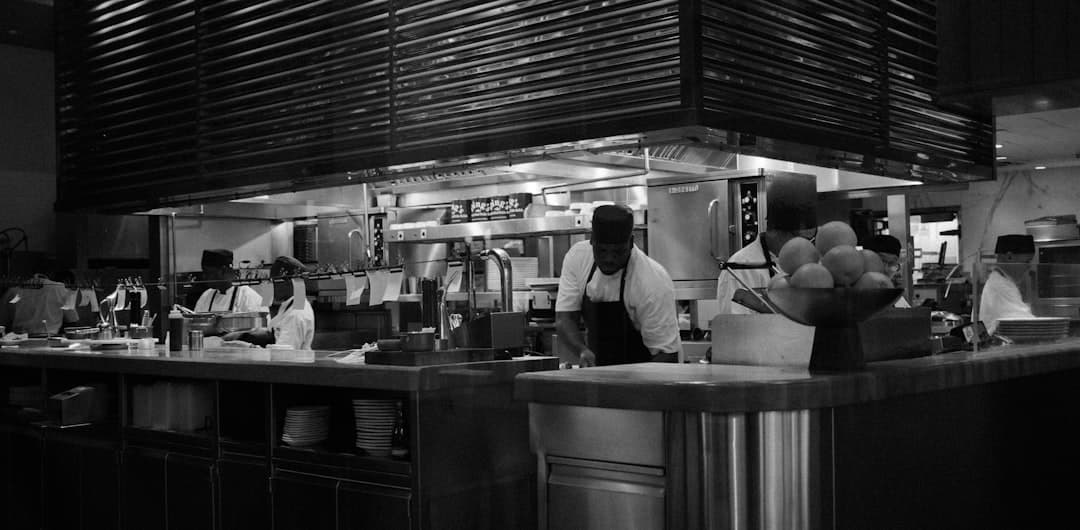
 Photo: Photo by Jinhan Moon on Unsplash
When it comes to food hygiene inspection, most hospitality managers focus exclusively on the technical aspects – temperatures, documentation, and cleaning schedules. Whilst these fundamentals are crucial, there's a critical dimension often overlooked: the human element that ultimately determines your inspection outcome.
Understanding the psychology, motivations, and pressures faced by Environmental Health Officers (EHOs) can transform your approach from reactive compliance to proactive partnership. This insight-driven perspective on food hygiene inspection will help you build stronger relationships with inspectors whilst maintaining the highest standards of food safety.
The Inspector's Perspective: What Drives Their Decisions
Environmental Health Officers aren't simply box-ticking bureaucrats. They're qualified professionals under immense pressure to protect public health whilst supporting local businesses. Understanding their priorities helps you align your approach with their objectives.
EHOs typically evaluate businesses through multiple lenses:
Risk assessment based on food type, customer volume, and operational complexity
Management competence and commitment to food safety culture
Evidence of systematic approaches rather than ad-hoc compliance
Previous inspection history and demonstrated improvement
Research from the Food Standards Agency shows that inspectors form initial impressions within the first few minutes of arrival. These impressions, whilst not final, significantly influence how thoroughly they examine different areas of your operation.
Building Rapport: The Communication Advantage
Effective communication during a food hygiene inspection goes far beyond answering questions correctly. It's about demonstrating your commitment to food safety through confident, knowledgeable dialogue that positions you as a responsible operator rather than someone merely trying to avoid penalties.
Successful managers employ several communication strategies:
Proactive disclosure of known issues and remedial actions taken
Asking informed questions about best practices and regulatory updates
Demonstrating awareness of industry standards beyond minimum compliance
Sharing evidence of staff training and engagement with food safety
Remember, inspectors appreciate honesty over perfection. A manager who acknowledges challenges whilst demonstrating systematic solutions is far more credible than one who claims everything is always perfect.
The Confidence Factor: How Preparation Influences Perception
Confidence during a food hygiene inspection isn't about bravado – it's about demonstrating genuine competence through systematic preparation. Inspectors quickly distinguish between superficial compliance and deep understanding of food safety principles.
Confident operators typically exhibit specific behaviours that positively influence inspector perceptions:
Immediate access to all required documentation without searching
Clear explanations of procedures based on understanding, not memorisation
Evidence of regular self-monitoring and corrective actions
Staff who demonstrate consistent understanding of food safety protocols
This confidence stems from regular practice and review, not cramming before inspections. Businesses that maintain inspection-ready standards daily naturally project the competence that inspectors value.
Managing the Emotional Dynamics of Inspection
Food hygiene inspections can be stressful experiences that trigger defensive responses in even the most prepared managers. However, understanding and managing these emotional dynamics can significantly improve outcomes.
Common emotional triggers include feeling judged, fear of financial consequences, and pressure to defend practices. These responses often lead to counterproductive behaviours such as over-explaining, making excuses, or becoming confrontational.
Effective emotional management strategies include:
Reframing the inspection as professional consultation rather than criticism
Focusing on facts and evidence rather than interpretations or opinions
Acknowledging findings professionally without immediate contradiction
Using the inspection as an opportunity to demonstrate continuous improvement
The Power of Storytelling in Food Safety
Rather than presenting food safety as a series of isolated procedures, successful managers tell a coherent story about their operation's commitment to customer wellbeing. This narrative approach helps inspectors understand the thinking behind your systems.
An effective food safety story includes:
Your business philosophy regarding food safety and customer care
How you've adapted systems to your specific operational challenges
Examples of how your approach has prevented potential issues
Evidence of learning from industry best practices and previous experiences
This storytelling approach transforms the inspection from an interrogation into a professional discussion between food safety practitioners.
Creating a Culture That Impresses Inspectors
The most impressive aspect of any food hygiene inspection isn't perfect documentation or spotless surfaces – it's staff behaviour that demonstrates genuine understanding and commitment to food safety. This culture can't be created overnight but must be cultivated through consistent leadership and engagement.
Cultural indicators that impress inspectors include:
Staff who can explain why procedures exist, not just how to follow them
Evidence of peer accountability and collaborative problem-solving
Consistent standards maintained regardless of business pressures
Proactive identification and reporting of potential food safety concerns
Building this culture requires moving beyond compliance training to education that helps staff understand their role in protecting customer health and business reputation.
Leveraging Technology for Human Connection
Modern food safety technology can enhance the human elements of inspection when used strategically. Rather than replacing personal interaction, technology should support more meaningful conversations about food safety management.
Digital tools that enhance inspector relationships include:
Real-time monitoring systems that demonstrate proactive management
Trend analysis showing continuous improvement efforts
Digital training records evidencing ongoing staff development
Instant access to supplier documentation and traceability information
The key is using technology to tell your food safety story more effectively, not to replace the essential human elements of inspection.
Transforming Inspection Feedback into Opportunity
The most successful hospitality managers view food hygiene inspection feedback as valuable intelligence about their operation's strengths and improvement opportunities. This perspective transforms the entire inspector relationship from adversarial to collaborative.
Post-inspection excellence involves:
Thorough analysis of all feedback, not just formal recommendations
Implementation of improvements that exceed minimum requirements
Communication with inspectors about progress and additional measures taken
Integration of lessons learned into ongoing training and procedures
This proactive approach builds inspector confidence in your operation and often results in more positive future interactions.
Building Long-term Inspector Relationships
Successful hospitality businesses develop ongoing relationships with their local Environmental Health team that extend beyond formal inspections. These relationships provide valuable insights into regulatory trends, industry best practices, and potential challenges.
Relationship-building strategies include seeking advice on new procedures, participating in local food safety initiatives, and maintaining open communication about operational challenges and solutions. This approach positions your business as a responsible industry leader rather than simply another establishment to monitor.
Understanding the human side of food hygiene inspection transforms compliance from a necessary burden into a competitive advantage. By focusing on communication, culture, and continuous improvement, you create an operation that not only passes inspections but earns the respect and support of those charged with protecting public health.
The most successful hospitality managers recognise that behind every food hygiene inspection is a professional committed to the same goal: ensuring customers receive safe, quality food experiences. Aligning your approach with this shared objective creates partnerships that benefit everyone involved.