Understanding Food Safety UK: Complete Guide for Restaurants & Hotels
Master food safety UK regulations with our comprehensive guide covering HACCP, FSA requirements, and best practices for restaurants and hotels across Britain.
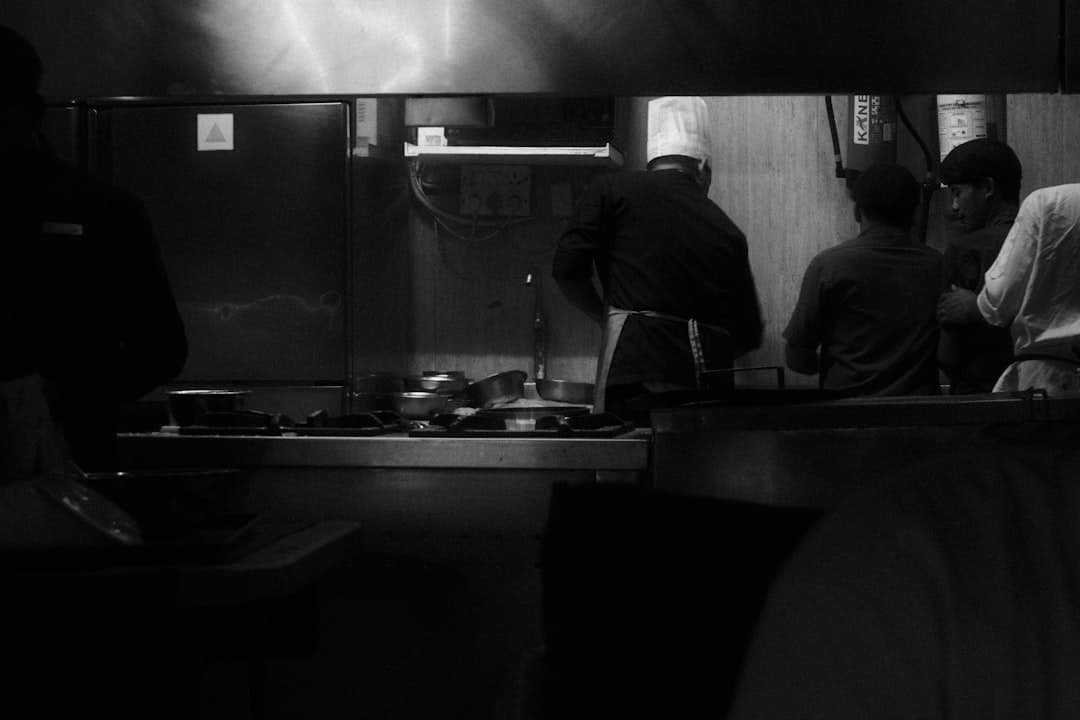 Photo: Photo by Rama Krushna Behera on Unsplash
Food safety UK regulations form the backbone of every successful hospitality business. Whether you're running a bustling restaurant in Manchester or a boutique hotel in Cornwall, understanding and implementing proper food safety measures isn't just about compliance—it's about protecting your customers, your reputation, and your business future. This comprehensive guide will walk you through everything you need to know about food safety standards across the UK.
The Legal Framework of Food Safety UK
The foundation of food safety UK rests on several key pieces of legislation. The Food Safety Act 1990 remains the primary legislation, establishing the framework for food safety enforcement across England, Wales, and Scotland. This act gives local authorities the power to inspect premises, seize unsafe food, and prosecute businesses that breach food safety requirements.
The General Food Regulations 2004 complement this by implementing European Union food safety requirements, which continue to apply post-Brexit under retained EU law. These regulations cover everything from food hygiene to labelling requirements, creating a comprehensive safety net for consumers.
Food Standards Agency (FSA) Requirements
The Food Standards Agency serves as the guardian of food safety UK standards. Established in 2000, the FSA works to protect public health and consumer interests in relation to food. For hospitality businesses, this means adhering to specific requirements that include:
Registration with local authorities at least 28 days before opening
Implementation of HACCP-based procedures
Staff training in food hygiene principles
Maintaining detailed records of food safety procedures
Regular monitoring and review of food safety systems
HACCP Implementation in UK Hospitality
Hazard Analysis and Critical Control Points (HACCP) forms the cornerstone of food safety UK practices. This science-based approach requires businesses to identify potential hazards in their food preparation processes and establish critical control points to prevent, eliminate, or reduce these hazards to acceptable levels.
The seven principles of HACCP must be systematically applied:
Conduct hazard analysis to identify potential biological, chemical, and physical hazards
Determine critical control points (CCPs) where hazards can be prevented or controlled
Establish critical limits for each CCP that must be met to ensure safety
Implement monitoring procedures to track CCPs
Plan corrective actions when monitoring indicates deviation from critical limits
Establish verification procedures to confirm the HACCP system is working effectively
Maintain comprehensive documentation and record-keeping systems
Food Hygiene Ratings and Compliance
The Food Hygiene Rating Scheme operates across England, Wales, and Northern Ireland, providing consumers with information about hygiene standards in food establishments. Scotland operates a similar scheme called the Food Hygiene Information Scheme. These ratings directly impact customer perception and can significantly affect business success.
Ratings range from 0 (urgent improvement necessary) to 5 (very good), based on three areas:
Hygienic food handling - including preparation, cooking, re-heating, cooling and storage
Physical condition of the premises - including cleanliness, layout, lighting, ventilation and facilities
Management of food safety - including staff training, hazard analysis, and documented procedures
Essential Food Safety Training Requirements
Under food safety UK regulations, food business operators must ensure that staff receive appropriate supervision and instruction or training in food hygiene matters. This requirement varies depending on the employee's role and responsibilities within the business.
Level 1 Food Safety training is suitable for staff with minimal food handling responsibilities, whilst Level 2 is required for those directly involved in food preparation. Management and supervisory staff should complete Level 3 training to understand their legal responsibilities and ensure effective oversight of food safety systems.
Temperature Control and Cold Chain Management
Proper temperature control represents one of the most critical aspects of food safety UK compliance. The 'danger zone' between 5°C and 63°C allows harmful bacteria to multiply rapidly, making temperature monitoring essential throughout the food journey.
Key temperature requirements include:
Refrigeration: High-risk foods must be stored at 8°C or below, with 5°C recommended
Freezing: Frozen foods should be stored at -18°C or below
Cooking: Food should reach a core temperature of 75°C to ensure harmful bacteria are destroyed
Hot holding: Cooked food must be kept at 63°C or above if not served immediately
Reheating: Previously cooked food must reach 82°C throughout before serving
Allergen Management and Labelling
The Food Information for Consumers Regulations 2014 mandate that businesses provide clear information about the 14 major allergens present in food. This requirement extends beyond just labelled products to include verbal communication for non-prepacked foods served in restaurants and hotels.
Effective allergen management requires comprehensive staff training, clear ingredient documentation, and robust procedures to prevent cross-contamination. Many successful hospitality businesses implement digital solutions to track allergen information throughout their menu planning and service processes.
Record Keeping and Documentation
Comprehensive record-keeping forms an essential component of food safety UK compliance. Documentation serves multiple purposes: demonstrating due diligence, enabling traceability in case of incidents, and providing evidence of systematic food safety management.
Essential records include temperature logs, cleaning schedules, staff training records, supplier audits, and incident reports. Modern digital systems can streamline this process, automatically generating reports and sending alerts when action is required.
Preparing for Environmental Health Inspections
Regular inspections by Environmental Health Officers ensure ongoing compliance with food safety UK standards. Preparation involves maintaining consistently high standards rather than attempting last-minute improvements before announced inspections.
Successful businesses adopt a proactive approach, conducting regular internal audits, addressing issues promptly, and viewing inspections as opportunities to demonstrate their commitment to food safety rather than obstacles to overcome.
Building a Culture of Food Safety Excellence
Understanding food safety UK requirements represents just the beginning of creating a truly safe food environment. The most successful hospitality businesses embed food safety into their organisational culture, ensuring that every team member understands their role in protecting customer health and maintaining business reputation.
This cultural approach involves regular training updates, clear communication of expectations, recognition of good practices, and swift corrective action when standards slip. By making food safety a shared responsibility rather than just a compliance requirement, businesses create sustainable systems that protect customers whilst supporting long-term success.