Creating an Effective Restaurant Cleaning Schedule
A step-by-step guide to building a restaurant cleaning schedule that keeps your kitchen compliant, your team accountable, and your food hygiene rating high.
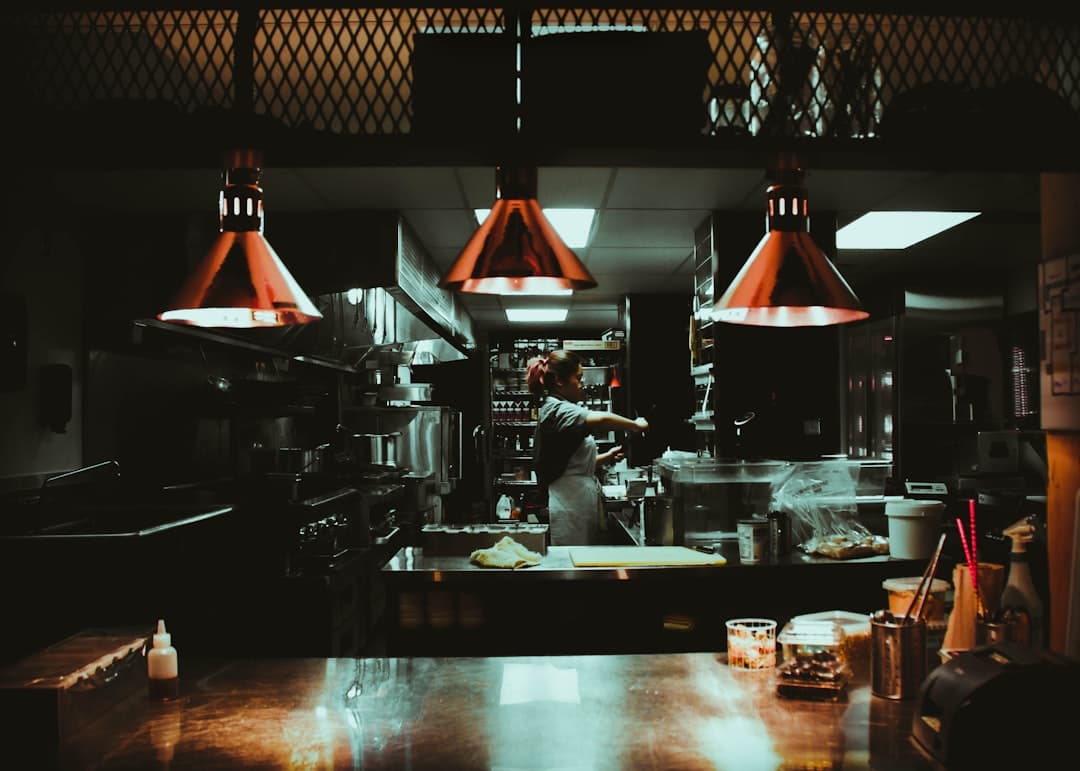
 Photo: Photo by Nico Smit on Unsplash
A clean kitchen is not just about appearances - it is the foundation of safe food, a healthy team, and a strong food hygiene rating. Yet in many busy hospitality venues, cleaning is reactive rather than planned: surfaces get wiped when they look dirty, equipment gets deep-cleaned only when something goes wrong, and accountability is vague at best.
The solution is a well-built restaurant cleaning schedule - a living document that tells every member of your team exactly what needs cleaning, how often, and to what standard. This guide walks you through how to create one from scratch, including ready-to-use task lists for daily, weekly, and monthly cleaning.
Why a Structured Restaurant Cleaning Schedule Matters
Under the Food Safety Act 1990 and EU-retained Regulation (EC) 852/2004, food business operators in the UK are legally required to maintain clean premises and equipment. The Food Standards Agency (FSA) expects businesses to have documented cleaning procedures as part of their food safety management system - most commonly a HACCP-based approach.
Beyond legal compliance, a structured kitchen cleaning schedule delivers practical benefits:
Reduces the risk of cross-contamination and foodborne illness
Protects and extends the lifespan of expensive kitchen equipment
Creates a safer working environment for your staff under HSE obligations
Supports a higher Food Hygiene Rating Scheme (FHRS) score
Removes ambiguity - every team member knows their responsibilities
Environmental health officers (EHOs) will look for evidence of a cleaning schedule during inspections. Having one that is up to date and visibly in use demonstrates due diligence - one of the key defences available to food businesses under UK law.
Step 1: Audit Every Area and Surface in Your Venue
Before you can build a schedule, you need a complete picture of everything that requires cleaning. Walk through your entire venue - kitchen, front of house, storage areas, toilets, and any outdoor spaces - and list every surface, piece of equipment, and high-touch point.
Group your audit findings into zones:
Food preparation areas - worktops, chopping boards, prep sinks, food slicers
Cooking equipment - ovens, grills, fryers, hobs, extraction canopies
Cold storage - fridges, freezers, walk-in cold rooms
Warewashing - dishwashers, glasswashers, pot wash areas
Floors, walls, and ceilings - including junctions, grout lines, and vents
Front of house - tables, chairs, menus, card readers, bar surfaces
Welfare and hygiene facilities - toilets, hand wash basins, staff changing areas
For each item, note the material or surface type, any manufacturer cleaning guidance, and how quickly it becomes contaminated during a typical service. This informs how frequently it needs to be cleaned.
Step 2: Assign Cleaning Frequencies
Not everything needs cleaning every day - but some things need cleaning multiple times during a single shift. Use your audit to assign a realistic frequency to each item. A practical framework for a commercial kitchen cleaning schedule looks like this:
During service - food contact surfaces wiped between tasks, spillages cleared immediately, hand wash basins checked
End of every service - all food contact surfaces sanitised, cooking equipment cleaned down, floors swept and mopped
Daily - fridges wiped down, bins emptied and sanitised, waste areas cleared
Weekly - oven interiors, fryer deep clean, shelving, wall tiles, extraction filters
Monthly - deep clean of walk-in fridges and freezers, dishwasher descaling, ceiling vents, behind and underneath equipment
Quarterly or annually - extraction canopy professional clean, pest control inspections, full equipment strip-down
Step 3: Choose the Right Products and Equipment
Using the wrong cleaning product can be as problematic as not cleaning at all. For food businesses in the UK, it is essential to understand the difference between cleaning and sanitising - two steps that are often confused.
Cleaning removes visible grease, food debris, and dirt. Use a suitable detergent and warm water.
Sanitising kills bacteria and pathogens on a surface. Use a food-safe sanitiser at the correct dilution and contact time.
Disinfecting achieves a higher level of pathogen reduction - used on toilets, bins, and waste areas.
Your cleaning products must be COSHH-assessed and stored safely away from food. All staff should be trained on correct dilution rates and contact times - a sanitiser that is wiped off immediately will not have had long enough to work. Keep Safety Data Sheets accessible for every product used on site.
Colour-coded cleaning equipment - cloths, mops, and brushes - is a simple and effective way to prevent cross-contamination between areas. The British Institute of Cleaning Science (BICSc) recommends a standard colour coding system widely adopted in UK hospitality:
Red - toilets and urinals
Yellow - washbasins and bathroom surfaces
Blue - general low-risk areas (bars, front of house)
Green - food preparation areas and kitchen surfaces
Step 4: Build Your Cleaning Rota and Assign Ownership
A cleaning rota only works when every task has a named owner and a clear sign-off process. Generic schedules that list tasks without assigning responsibility tend to result in gaps - everyone assumes someone else has done it.
When building your cleaning rota, structure each entry with the following information:
What - the specific item or area to be cleaned
How - the method, product, dilution rate, and contact time
When - frequency and time of day
Who - the role responsible (not always a named individual, as rotas change)
Sign-off - a signature or initials box for the person who completed the task and the manager who checked it
Post physical copies of the schedule in each relevant area - in the kitchen, behind the bar, in the storage room. Digital systems and apps can also work well, particularly for multi-site operations where managers need visibility across venues.
Step 5: Train Your Team on Correct Cleaning Procedures
A schedule is only as effective as the people following it. Every member of your team who is responsible for cleaning tasks must be trained on the correct procedures - not just shown once during induction and then left to get on with it.
Effective cleaning training should cover:
Why cleaning matters - the link between food hygiene cleaning, cross-contamination, and foodborne illness
The correct sequence - clean first, then sanitise, never the other way around
Safe use of cleaning chemicals, including PPE requirements under COSHH
Correct use of colour-coded equipment to prevent cross-contamination
How to complete the cleaning record accurately and honestly
Refresher training should be built into your ongoing food safety training calendar - especially when new products are introduced, procedures change, or following any food safety incident.
Step 6: Monitor, Record, and Review
Creating a restaurant cleaning schedule is not a one-off task. It needs active monitoring and regular review to remain effective.
Build the following into your operations:
Daily manager sign-off - a supervisor or manager should check that end-of-service cleaning has been completed before the team leaves
Weekly spot checks - conduct random checks on less visible areas such as undersides of equipment, wall junctions, and fridge seals
Monthly schedule review - assess whether tasks are realistic, whether frequencies need adjusting, and whether any new equipment or areas should be added
Retained records - keep completed cleaning logs for a minimum of three months, or longer if required by your local authority
If your EHO inspection identifies cleaning failures, completed records showing a consistent history of cleaning will support your case - and a gap in records where cleaning was clearly not being monitored will work against you.
Daily Restaurant Cleaning Checklist
Use this as the basis for your own daily kitchen cleaning schedule, adapting it to your venue's specific layout and equipment.
All food contact surfaces cleaned and sanitised after each use and at end of service
Chopping boards scrubbed, sanitised, and stored upright to dry
Cooking equipment (hobs, grills, fryer surrounds) degreased and wiped down
Fridge exteriors, handles, and door seals wiped with sanitiser
Floors swept and mopped with appropriate floor cleaner
Hand wash basins cleaned and stocked with soap and paper towels
Bins emptied, bin liners replaced, bin exteriors wiped
Dishwasher and glasswasher filters cleaned, machine exterior wiped
Front of house tables, chairs, and menus cleaned between covers and at close
Customer-facing toilets checked, cleaned, and restocked throughout service
Weekly Kitchen Cleaning Tasks
These tasks should be scheduled across the week so that no single team member is overloaded, and so that each area receives attention on a regular cycle.
Oven interiors cleaned - remove racks and soak, clean cavity with oven cleaner
Deep fryers drained, cleaned, and refilled with fresh oil (or on manufacturer's recommended cycle)
Extraction canopy filters removed, soaked, and cleaned
Fridge and freezer interiors wiped down, shelves removed and cleaned
Shelving in dry store and kitchen inspected, wiped, and reorganised
Wall tiles and splashbacks degreased and sanitised
Waste and recycling area hosed down and disinfected
All cleaning equipment (mop heads, cloths, buckets) replaced or laundered
Monthly Deep-Clean Tasks
Monthly deep cleaning tackles the areas that accumulate grime gradually - often invisible during daily operations but critical for long-term hygiene and equipment performance.
Full walk-in cold room or fridge deep clean - including ceiling, walls, floor drains, and door frames
Behind and underneath all fixed and mobile kitchen equipment
Dishwasher descale and door seal inspection
Ceiling, air vents, and light fittings dusted and cleaned
Floor drains cleared, disinfected, and inspected for blockages
Bar taps, gas lines, and post-mix equipment cleaned and sanitised
Pest control check - inspect for signs of activity around skirting boards, drains, and storage areas
Review and update your cleaning schedule to reflect any changes in menu, equipment, or staffing
Common Mistakes to Avoid
Even well-intentioned cleaning programmes can fall short. These are the most common pitfalls seen in UK hospitality kitchens:
Sanitising without cleaning first - sanitiser cannot penetrate through grease and debris, making it largely ineffective
Incorrect dilution rates - over-diluting products reduces efficacy; always follow manufacturer guidelines
Using the same cloth across multiple surfaces - even if it looks clean, cross-contamination risk is high without colour coding
Ignoring the schedule during busy periods - cutting corners under pressure is when contamination events are most likely to occur
Incomplete records - signing off tasks that have not been done is a serious risk if an incident occurs
Neglecting high-touch points - door handles, light switches, card machines, and shared equipment are often missed
Staying Compliant with UK Food Hygiene Requirements
Your commercial kitchen cleaning schedule is a core component of your food safety management system. The FSA's Safer Food Better Business (SFBB) pack - widely used by small and medium hospitality businesses in England and Wales - includes specific guidance on cleaning procedures and provides template schedules you can adapt for your business.
When an EHO visits, they will assess cleaning as part of the 'hygienic handling of food' and 'cleanliness and condition of facilities and equipment' categories within the Food Hygiene Rating Scheme. A poorly maintained or incomplete cleaning schedule can directly affect your score - and a rating of 3 or below must be displayed at your premises under the Food Hygiene Rating (Wales) Act 2013, with England likely to follow.
The most important thing is to make your restaurant cleaning schedule a genuine operational tool rather than a document that exists solely for inspection purposes. When it is genuinely embedded into your team's daily routine, it protects your customers, your team, and your business.
Review your schedule at least every three months, any time you change your menu or introduce new equipment, and after any food safety concern or near-miss. Treat it as a living document - and your standards will stay consistently high.