Restaurant Closing Checklist: Streamline End-of-Day Operations
Master your restaurant's end-of-day procedures with a comprehensive closing checklist that reduces errors, improves efficiency, and ensures consistent operations across shifts.
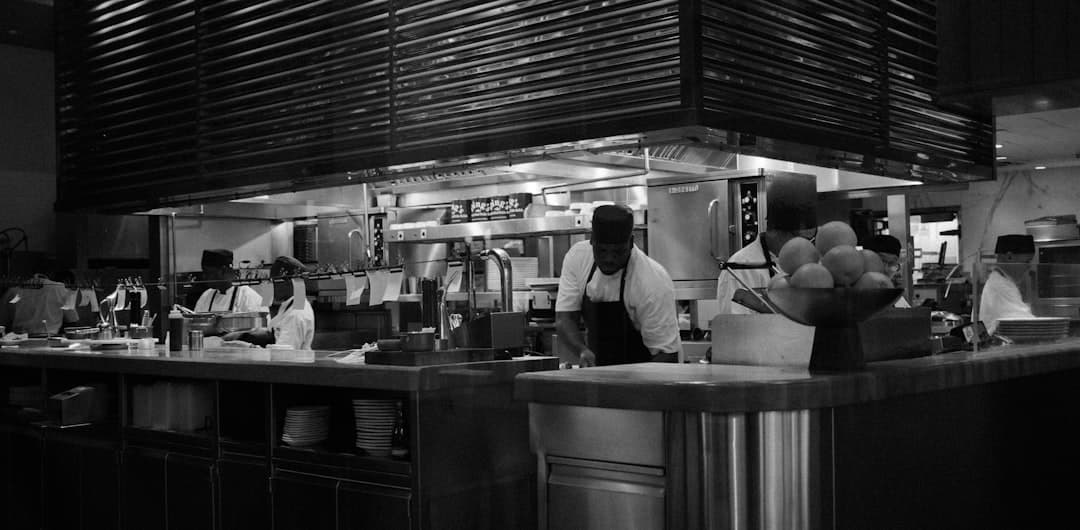
 Photo: Photo by Janay Peters on Unsplash
The end of a busy service can feel chaotic, but a well-structured restaurant closing checklist transforms this critical period into a smooth, systematic process. Whether you're managing a bustling London gastropub or a cosy countryside café, having consistent closing procedures protects your business, reduces costs, and sets your team up for success the following day.
Research shows that establishments with standardised closing procedures experience 23% fewer operational issues and reduce average closing time by 35 minutes. More importantly, proper end-of-day protocols significantly reduce the risk of theft, equipment damage, and food safety violations that could impact your business reputation and bottom line.
The Financial Impact of Poor Closing Procedures
Before diving into the checklist itself, it's crucial to understand why systematic closing matters. UK hospitality businesses lose an average of £12,000 annually due to preventable closing-time issues including:
Food spoilage from improper storage procedures
Equipment damage from inadequate shutdown protocols
Inventory shrinkage and cash discrepancies
Higher insurance premiums due to security breaches
Staff overtime costs from inefficient procedures
Essential Components of an Effective Restaurant Closing Checklist
A comprehensive restaurant closing checklist should encompass five critical areas, each with specific responsibilities and timing considerations.
Kitchen Operations and Food Safety
The kitchen closing sequence forms the backbone of your restaurant closing checklist. This area requires the most attention due to food safety regulations and equipment complexity:
Record final food temperatures and document in temperature logs
Properly store all perishable items with appropriate labelling and dating
Clean and sanitise all food preparation surfaces according to FSA guidelines
Empty and clean grease traps and filter systems
Turn off gas valves and check pilot lights are extinguished
Secure walk-in coolers and freezers, ensuring doors seal properly
Pro tip: Assign specific kitchen closing responsibilities to different team members to create accountability and reduce closing time. The head chef should verify completion of critical food safety tasks.
Front-of-House and Customer Areas
Your dining area closing procedures ensure customer-facing areas maintain professional standards and remain secure:
Collect and secure all POS devices and payment terminals
Check toilets for cleanliness and restock supplies
Vacuum or mop floors, paying special attention to high-traffic areas
Reset tables and chairs to standard configuration
Check that all decorative items and displays are secure
Adjust lighting to security settings and activate window displays if applicable
Financial Controls and Cash Management
Robust financial closing procedures protect against theft and ensure accurate records. This section of your restaurant closing checklist requires particular attention to detail:
Complete till reconciliation with printed Z-reports from all terminals
Count and document all cash, including float for next service
Record any discrepancies or unusual transactions
Secure cash in approved safe or bank night deposit
Complete credit card settlement and print settlement reports
File all receipts and documentation in designated location
Remember: Under UK regulations, businesses must maintain accurate financial records for at least six years. Your closing procedures directly impact compliance with HMRC requirements.
Security and Safety Protocols
Effective security measures prevent break-ins and ensure staff safety during vulnerable closing periods:
Conduct thorough premises check to ensure no customers remain
Activate burglar alarm system and test all entry points
Lock all windows, emergency exits, and storage areas
Record closing time and manager signature in security log
Ensure adequate exterior lighting for staff departing late
Check that CCTV systems are operational and recording
Inventory and Stock Management
Daily inventory checks prevent waste and identify potential issues before they become costly problems:
Record usage of high-value ingredients and alcohol
Note items requiring immediate restocking for next day
Check expiration dates on perishable items
Secure alcohol storage areas and verify bottle counts
Update digital inventory systems with current stock levels
Implementing Your Restaurant Closing Checklist: Practical Tips
Creating a checklist is only the first step. Successful implementation requires strategic planning and staff buy-in. Consider these proven approaches:
Start closing procedures early: Begin non-customer-facing tasks 30 minutes before official closing time. This includes kitchen deep cleaning, cash counting preparation, and security checks of storage areas.
Assign accountability: Designate specific team members for each section of your restaurant closing checklist. The duty manager should verify completion of critical tasks before anyone leaves the premises.
Use digital tools: Modern restaurant management systems can automate many closing procedures, from generating financial reports to sending closing confirmation emails to management.
Regular training sessions: Review closing procedures monthly with all staff. This ensures new employees understand expectations and experienced staff maintain standards.
Common Mistakes to Avoid
Even well-intentioned restaurants make costly errors during closing. Avoid these frequent pitfalls:
Rushing through procedures during busy periods - this leads to errors and safety issues
Allowing untrained staff to handle financial closing - always require certified supervision
Skipping documentation when everything 'appears normal' - consistent recording prevents issues
Neglecting equipment maintenance checks - small problems become expensive repairs
Creating a Culture of Excellence
The most effective restaurant closing checklist becomes part of your establishment's culture rather than just another task to complete. Encourage staff to take pride in proper closing procedures by:
Recognising teams that consistently complete closings efficiently and accurately
Explaining how proper procedures protect everyone's job security
Providing ongoing training opportunities to develop closing expertise
Regularly reviewing and updating procedures based on staff feedback
Remember, your restaurant closing checklist reflects your commitment to operational excellence. By implementing systematic procedures, you protect your investment, ensure compliance with UK regulations, and create a foundation for sustainable business growth. The time invested in proper closing procedures pays dividends through reduced costs, improved efficiency, and enhanced reputation.
Start implementing these practices today, and watch as your end-of-day operations transform from chaotic rushes into smooth, professional procedures that set your restaurant apart from the competition.