Kitchen Management Excellence: Strategic Operations for UK Hospitality
Master strategic kitchen management with proven systems for inventory control, cost optimisation, and operational excellence that drive profitability in UK hospitality venues.
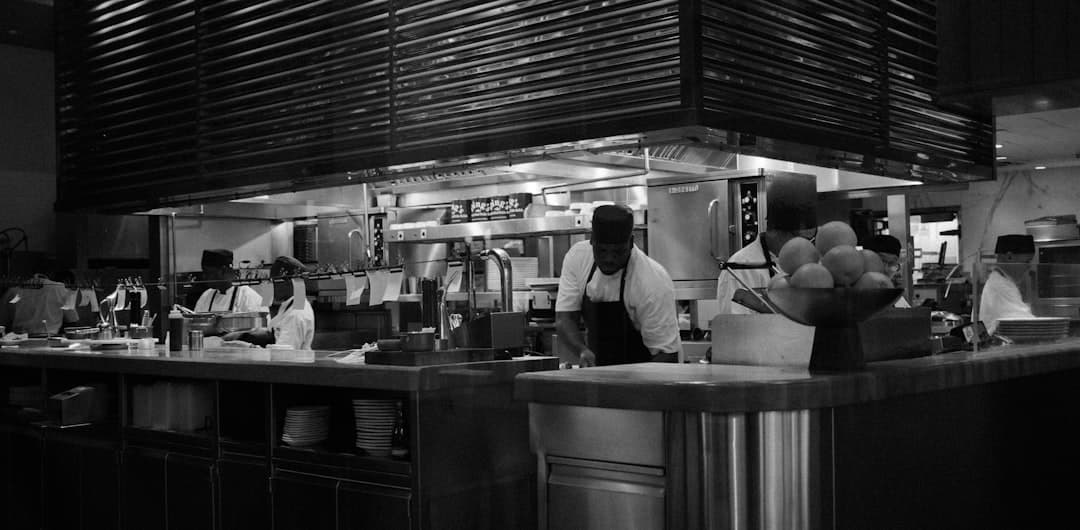
 Photo: Photo by Fatma Gallery on Unsplash
Effective kitchen management forms the cornerstone of successful hospitality operations in the UK. Beyond basic food safety and hygiene, strategic kitchen management encompasses inventory optimisation, cost control, workflow efficiency, and technology integration that directly impacts your bottom line. This comprehensive guide explores proven systems and strategies that transform kitchen operations from cost centres into profit-driving engines.
Understanding Modern Kitchen Management
What is kitchen management? At its core, kitchen management is the strategic coordination of people, processes, inventory, and technology to deliver consistent food quality whilst maximising profitability. Modern kitchen management in UK hospitality extends beyond traditional cooking supervision to encompass financial planning, compliance management, technology integration, and performance analytics.
Today's kitchen managers must balance operational efficiency with regulatory compliance, particularly given the stringent requirements of the Food Standards Agency and Health and Safety Executive. Successful kitchen management requires a systematic approach that addresses both immediate operational needs and long-term strategic objectives.
Strategic Inventory Management Systems
Inventory management represents one of the highest-impact areas for kitchen profitability. UK hospitality venues lose an average of 4-10% of revenue to inventory waste, making systematic inventory control essential for financial success.
Implement the FIFO (First In, First Out) system as your foundation, but enhance it with digital tracking systems that monitor usage patterns, predict demand, and automate reordering. Modern inventory management software can reduce food waste by 20-30% whilst ensuring optimal stock levels.
Establish par levels for all ingredients based on historical usage and seasonal variations
Conduct daily inventory counts for high-turnover items and weekly counts for stable stock
Track yield percentages for protein items to optimise portioning and reduce waste
Implement temperature monitoring systems to prevent spoilage and maintain compliance
Cost Control and Financial Planning
Effective cost control begins with understanding your cost structure and establishing realistic targets. Food costs should typically represent 28-35% of revenue for most UK hospitality operations, though this varies by venue type and positioning.
Budget allocation requires strategic thinking about seasonal variations, supplier relationships, and menu engineering. Allocate 60-65% of your food budget to core menu items, 20-25% to seasonal specials, and 10-15% to contingency stock for unexpected demand or supply disruptions.
Calculate true cost per portion including labour, overhead, and waste allowances
Monitor gross profit margins weekly and adjust portions or pricing as needed
Negotiate volume discounts with suppliers whilst maintaining quality standards
Track variance between theoretical and actual food costs to identify areas for improvement
Kitchen Organisation and Workflow Optimisation
Kitchen organisation directly impacts efficiency, food safety, and staff productivity. The optimal layout follows the "kitchen 3 rule" - maintaining three feet of clear space in primary traffic areas, three points of contact for safe equipment operation, and three-second access to essential tools and ingredients.
Workflow optimisation begins with mapping your current processes and identifying bottlenecks. Peak service analysis reveals where delays occur and helps prioritise improvements. Most UK kitchens can improve efficiency by 15-25% through strategic reorganisation and process refinement.
Design prep areas with ingredients stored within arm's reach of workstations
Establish dedicated zones for hot preparation, cold preparation, and plating
Implement colour-coded chopping boards and utensils for allergen control
Create staging areas for finished dishes to prevent bottlenecks during service
Food Safety and UK Compliance Management
What are 5 basic rules of kitchen safety? In the UK hospitality context, these are: maintaining proper hand hygiene and personal protective equipment, preventing cross-contamination through separate preparation areas, controlling time and temperature for food storage and preparation, ensuring proper cleaning and sanitisation of all surfaces and equipment, and maintaining accurate documentation for compliance and traceability.
UK kitchen management must address FSA requirements, HACCP principles, and HSE workplace safety regulations. This includes maintaining detailed temperature logs, allergen documentation, cleaning schedules, and staff training records. Non-compliance can result in enforcement action, closure orders, or prosecution under the Food Safety Act 1990.
Implement digital temperature monitoring with automatic alerts for compliance
Maintain comprehensive allergen matrices and train staff on cross-contamination prevention
Establish cleaning schedules with verification procedures and documentation
Conduct regular internal audits to identify and address compliance gaps
Strategic Menu Planning and Engineering
Menu planning extends beyond culinary creativity to encompass cost analysis, operational efficiency, and profit optimisation. The 5 P's of cooking - planning, purchasing, preparation, presentation, and profitability - provide a framework for menu development that balances customer appeal with operational practicality.
Strategic menu engineering involves analysing sales data, profit margins, and operational complexity to optimise your offering. High-performing menus typically feature 60-70% profitable core items, 20-25% signature dishes that differentiate your venue, and 10-15% seasonal items that create urgency and repeat visits.
Design menus that utilise cross-functional ingredients to reduce inventory complexity
Balance preparation time requirements to prevent kitchen bottlenecks during peak service
Include dishes that can be partially prepared in advance without quality compromise
Price strategically using psychological pricing principles and competitive analysis
Technology Integration and Kitchen Display Systems
Kitchen display systems (KDS) have revolutionised order management and communication in UK hospitality venues. Modern KDS solutions integrate with POS systems, inventory management, and reporting platforms to create comprehensive operational visibility.
ROI from technology implementation typically ranges from 15-30% improvement in kitchen efficiency, 20-25% reduction in order errors, and 10-15% decrease in average ticket times. However, successful implementation requires careful planning, staff training, and ongoing optimisation.
Implement digital ordering systems that integrate directly with kitchen displays
Use inventory management software that tracks usage and predicts reorder points
Deploy temperature monitoring systems with cloud-based logging for compliance
Utilise reporting dashboards that provide real-time insights into kitchen performance
Staff Management and Training Excellence
Kitchen management excellence depends on skilled, motivated staff who understand both culinary techniques and operational procedures. UK hospitality faces significant recruitment challenges, making retention and development crucial for operational stability.
Effective kitchen teams require structured training programmes that address technical skills, food safety knowledge, and operational procedures. Invest in continuous learning opportunities and clear career progression pathways to reduce turnover and maintain service standards.
Develop standardised training modules for food safety, allergen management, and kitchen procedures
Implement peer mentoring systems to accelerate new staff integration
Create cross-training opportunities to build operational flexibility
Establish performance metrics and recognition programmes to motivate excellence
Supplier Management and Procurement Strategy
Strategic supplier management involves more than securing competitive prices. Successful kitchen management requires reliable suppliers who maintain consistent quality, adhere to delivery schedules, and provide transparent supply chain information for compliance purposes.
Develop supplier partnerships that provide value beyond price competition. This includes access to seasonal ingredients, menu development support, and supply chain resilience during disruptions. Maintain relationships with multiple suppliers for critical ingredients to ensure continuity.
Sustainability and Waste Reduction Practices
Sustainability initiatives in kitchen management deliver both environmental and financial benefits. UK hospitality venues can reduce operational costs by 10-20% through systematic waste reduction, energy efficiency improvements, and sustainable sourcing practices.
Implement comprehensive waste tracking to identify reduction opportunities
Source locally where possible to reduce transportation costs and support community suppliers
Invest in energy-efficient equipment to reduce long-term operating costs
Develop creative menu items that utilise food trimmings and reduce waste
Performance Metrics and Continuous Improvement
Effective kitchen management requires systematic measurement and analysis of key performance indicators. Track food cost percentages, labour productivity, customer satisfaction scores, and compliance metrics to identify trends and improvement opportunities.
Establish regular review cycles that examine operational performance, financial results, and compliance status. Use data-driven insights to guide strategic decisions about menu changes, staffing levels, equipment investments, and process improvements.
Crisis Management and Contingency Planning
Robust kitchen management includes preparation for various crisis scenarios including supply disruptions, equipment failures, staff shortages, and health emergencies. Develop comprehensive contingency plans that maintain service standards whilst ensuring staff and customer safety.
Create backup supplier relationships, emergency menu options using shelf-stable ingredients, and cross-training programmes that provide operational flexibility during challenging periods. Regular scenario planning exercises help identify potential vulnerabilities and develop appropriate responses.
Implementing Kitchen Management Excellence
Successful kitchen management transformation requires systematic implementation of proven systems and processes. Begin with foundational elements like inventory control and food safety compliance, then progressively add technology solutions, staff development programmes, and performance measurement systems.
Kitchen management excellence is not a destination but an ongoing journey of continuous improvement. Regular assessment of your systems, processes, and results ensures your kitchen operations remain efficient, profitable, and compliant whilst delivering exceptional food quality that drives customer satisfaction and business success.