What an ageing maintenance backlog is telling you
Open jobs sorted by how long ago they were raised is one of the most honest numbers in a venue. Here...
Everything UK hospitality businesses need for food safety compliance. Guides, glossary, expert Q&A, regulations, free tools, and more.
AI-powered tools to assess, plan, and improve your food safety compliance. Free to use, no signup required.
Test your readiness for an Environmental Health Officer inspection across 8 key compliance areas.
Upload your menu and get a complete UK 14-allergen matrix with downloadable PDF.
Create Natasha's Law labels for prepacked for direct sale food, with the 14 allergens emphasised automatically.
AI-powered tool that identifies hazards and critical control points for your business.
Predict your Food Hygiene Rating Score based on your current compliance practices.
Upload Safety Data Sheets and get plain-English summaries of chemical safety data.
34 ready-to-use templates for HACCP plans, cleaning schedules, temperature logs, and more.
Free HACCP plan template for UK food businesses. All 7 principles, hazard worksh...
Free kitchen cleaning schedule template - daily, weekly, and monthly tasks
Free temperature log sheet pack: fridge and freezer record sheets, cooking, cool...
Free daily food safety diary - SFBB opening and closing checks
Free allergen matrix template for UK food businesses. Download a printable PDF o...
Free, citable reports built from official open datasets. Browse the reports hub.
How 549,668 food businesses score on the FSA rating scheme, by region, business type and council.
Read reportRateable values and 2026 business rates across pubs, restaurants, cafes and hotels.
Read reportThe hub for Paddl's original hospitality research, free to read and cite.
Visit the hubThe definitive HACCP resource. 7 principles, critical control points, monitoring, flow diagrams, and UK regulations.
Read guideThe 14 UK allergens, Natasha's Law, cross-contact prevention, labelling, and staff training for food businesses.
Read guideFridge, freezer, cooking, cooling, and hot-holding temperatures. Legal requirements, monitoring, and corrective actions.
Read guideSafer Food Better Business explained. Pack sections, diary records, safe methods, and going digital.
Read guideHow the rating scheme works, what inspectors check, how to improve your score, and staying inspection-ready.
Read guideControl of Substances Hazardous to Health for hospitality. Assessing cleaning chemicals, sanitisers, descalers and cellar gas, controls, PPE, and inspection-ready records.
Read guidePremises licensing, SIA door supervision, incident reporting, sound monitoring, capacity and refusals for nightclubs, late-night bars, and music venues.
Read guideSFBB, HACCP, allergen laws, and EHO inspections explained.
Read guideComprehensive checklist of UK hospitality compliance requirements.
Read guideWhat inspectors look for and how to achieve a 5 rating.
Read guideWhat an FSMS is, the HACCP principles behind it, and how to build and run one in a UK food business.
Read guideExpert articles on food safety, hospitality operations, and compliance. 114 articles published
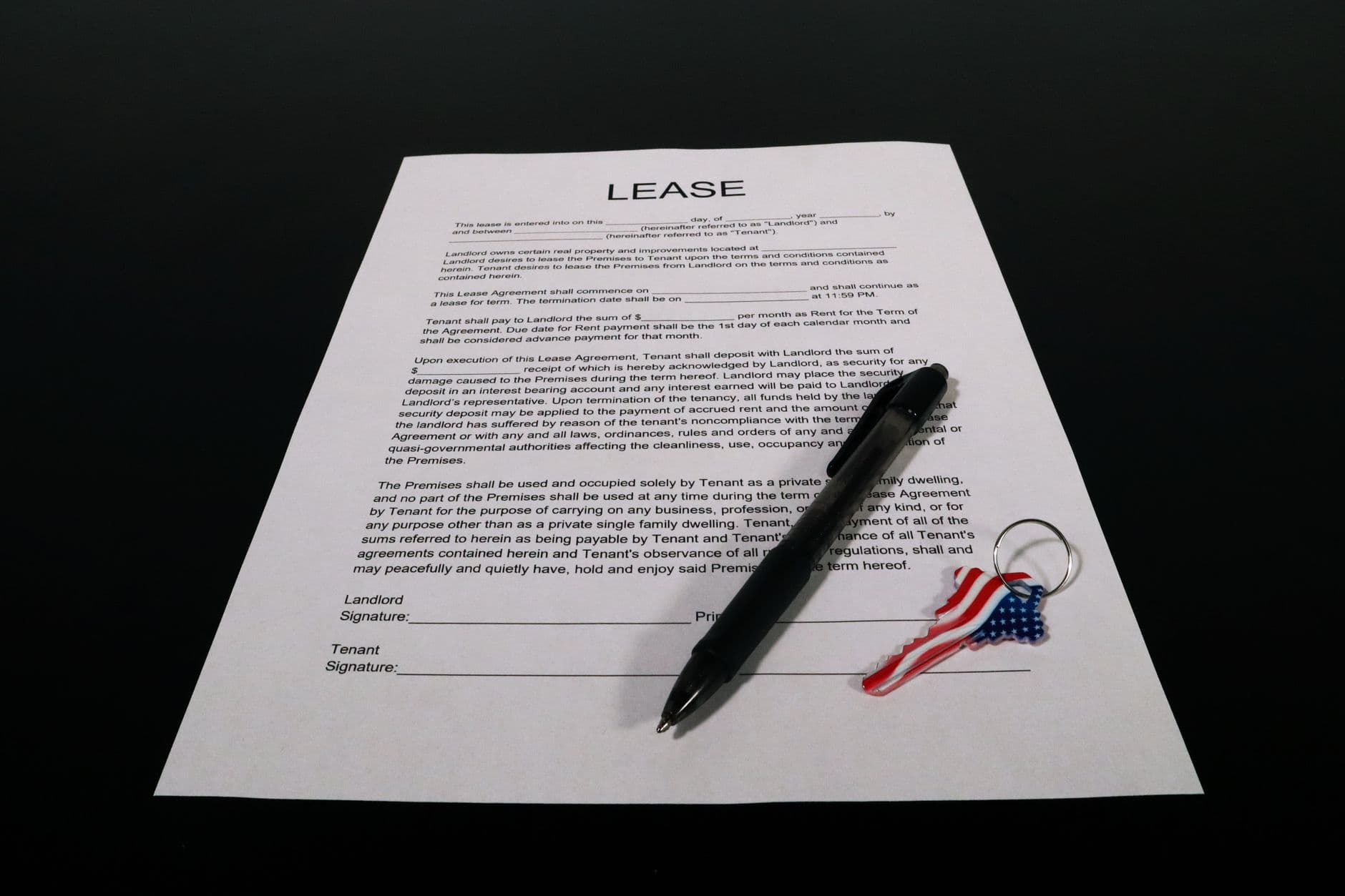
The roof is leaking and your landlord says it is yours. Whether it is depends almost entirely on which lease you signed, and most operators find out which one that was at the worst...
Read article
Open jobs sorted by how long ago they were raised is one of the most honest numbers in a venue. Here...
Every venue knows planned maintenance is cheaper than fixing things after they break. Almost none of...
Planned preventative maintenance is the work that stops the breakdowns. Here is what belongs on the ...
From ovens to fryers, choosing the right commercial kitchen equipment can make or break your margins...
Master hospitality inventory management with practical strategies for stock control, waste reduction...
Choosing the right commercial kitchen equipment can make or break your hospitality venue. Compare ov...
60 practical guides with step-by-step instructions and expert tips.
84+ answers to common food safety questions from UK hospitality professionals.
A commercial fridge should operate between 0°C and 5°C. The Food Standards Agency recommen...
TemperaturesA commercial freezer should be set to -18°C or below. This is the internationally accepted...
TemperaturesHot food must be held at 63°C or above in England, Wales, and Northern Ireland. In Scotlan...
TemperaturesFridge temperatures should be checked and recorded at least twice daily - once at the star...
TemperaturesThe food temperature danger zone is between 8°C and 63°C. In this range, harmful bacteria ...
TemperaturesFood should reach a core temperature of at least 75°C to be safe. Alternatively, 70°C held...
TemperaturesYes. Every food business in the UK, including cafes, is legally required to have a food sa...
HACCPThe 7 HACCP principles are: hazard analysis, identify CCPs, set critical limits, establish...
HACCPYes. Paddl can re-check an existing HACCP plan against your current menu, allergens and ch...
HACCPHACCP is a set of food safety principles; SFBB is a pre-written system that applies those ...
HACCPA HACCP plan should be reviewed at least once a year. It must also be reviewed whenever th...
HACCPThe food business operator (usually the owner or registered manager) is legally responsibl...
HACCP110+ terms covering HACCP, SFBB, allergens, COSHH, EHO inspections, and more.
18 UK regulations that affect hospitality businesses, explained in plain English.
The foundational UK food safety legislation
Local Authority Environmental Health Officers (EHOs)Implements EU food hygiene requirements in England
Local Authority Environmental Health Officers (EHOs)Allergen labelling and food information requirements
Local Authority Trading Standards and Environmental HealthFull ingredient labelling for prepacked for direct sale food
Local Authority Environmental Health and Trading StandardsGeneral food safety and traceability requirements
Food Standards Agency and Local Authority Environmental HealthEstablished the Food Standards Agency
Food Standards Agency (FSA)Legal temperature requirements for food storage and service
Local Authority Environmental Health Officers (EHOs)The legal basis for HACCP in the UK
Local Authority Environmental Health Officers (EHOs)Compliance checklists and risk guidance for every season, holiday, and event.
Independent comparisons of the 19 best software solutions for UK hospitality compliance and operations.
The top food safety management platforms for UK hospitality businesses, compared.
6 options comparedDigital HACCP plan builders and monitoring tools compared for UK food businesses.
6 options comparedDigital temperature logging and automated monitoring solutions compared.
5 options comparedDigital allergen tracking, menu labelling, and compliance tools compared.
6 options comparedDigital Safer Food Better Business solutions compared for UK food businesses.
6 options comparedDigital training, induction, and compliance learning platforms compared.
6 options comparedInsurance tracking, document extraction, and coverage analysis tools compared for UK hospitality.
4 options comparedComplaint tracking, categorisation, and AI trend analysis tools compared for UK hospitality.
4 options comparedDigital risk assessment tools with AI generation, templates, and signature workflows compared.
5 options comparedCentralised SOPs, training materials, and operational knowledge tools compared.
5 options comparedThe Best Hospitality Technology Communities and Resources for UK Operators
5 options comparedThe Complete Hospitality Tech Stack: What Software UK Restaurants Actually Need
5 options comparedThe Best Restaurant Technology Solutions for UK Businesses in 2026
5 options comparedThe top food safety apps for UK hospitality, compared on mobile experience and compliance.
9 options comparedKitchen management platforms for UK hospitality, compared on compliance, operations, and team features.
5 options comparedRestaurant compliance platforms compared for UK food safety, EHO readiness, and operational compliance.
5 options comparedStaff rota and scheduling software for UK pubs, restaurants, cafes and hotels, compared.
6 options comparedStaff messaging apps for UK pubs, restaurants, hotels and groups, compared on price and on what happens when somebody leaves.
6 options comparedCompliance and operations platforms for restaurant, pub and hotel groups running several sites, compared.
7 options comparedSee how Paddl compares to 29 other hospitality software solutions.
Paddl brings all your compliance management into one platform. Digital records, automatic alerts, and complete audit trails. Everything you need to stay EHO-ready.