Toast Report: 6 Predictions for UK Hospitality in 2026
Toast's latest industry report surveys UK restaurant owners on what lies ahead. From economic uncertainty and tech adoption to labour shortages and sustainability, here are the six key predictions and what they mean for operators.
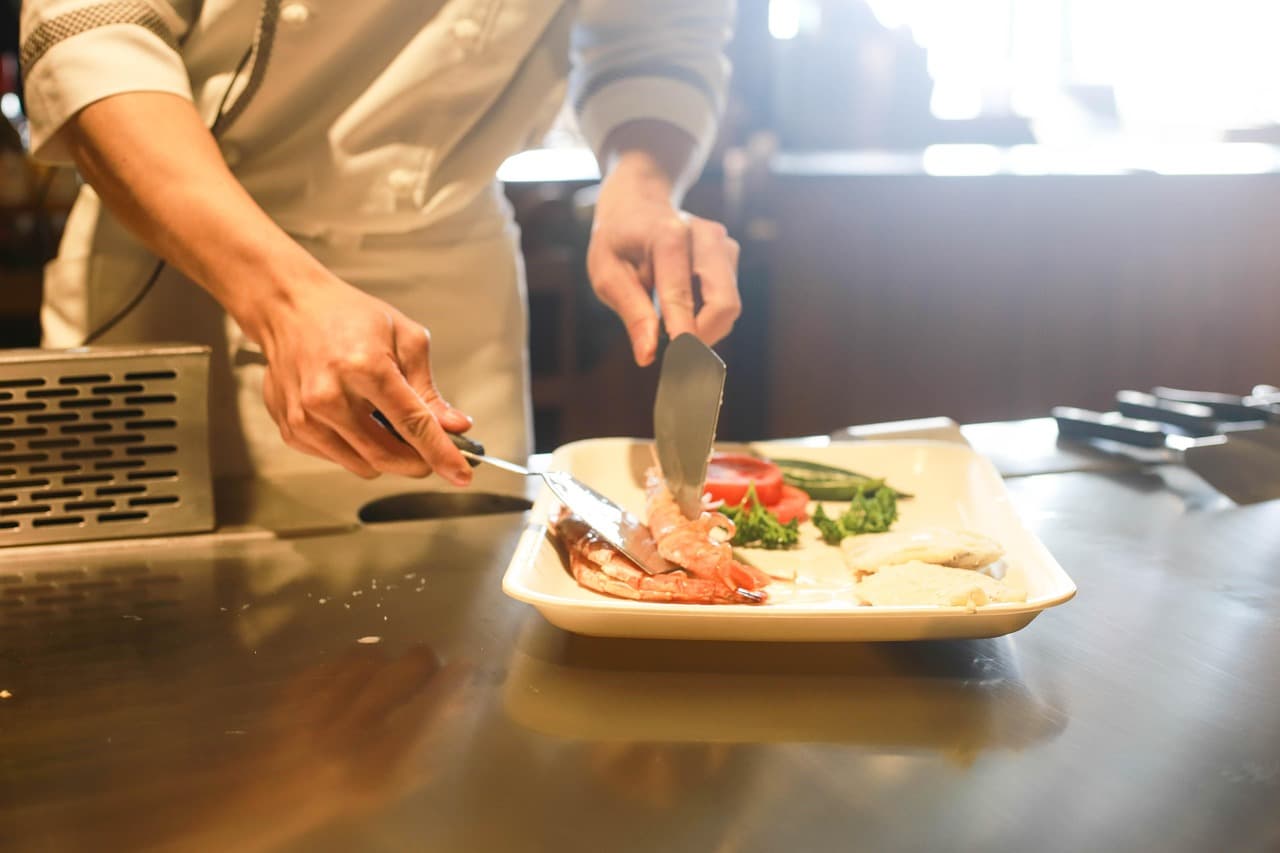 Photo: Image by Pexels on Pixabay
Toast's latest industry report has landed, and it paints a detailed picture of where UK hospitality is heading in 2026. Based on a survey of restaurant owners and operators across the country, the findings highlight an industry under pressure but adapting fast, with technology, customer experience, and sustainability emerging as the key battlegrounds.
Here are the six major predictions from the report and what they mean for your business.
1. Economic uncertainty will force sharper operations
Over 30% of respondents named economic conditions as the single biggest factor impacting the industry in 2026. A further 18% pointed to increasing costs and inflation as a major challenge.
This is not a surprise. Between rising wages, energy bills, and ingredient costs, the squeeze on margins is real and getting tighter. The operators who come through this period in good shape will be the ones running the tightest ships: tracking costs, reducing waste, and making decisions based on data rather than gut feel.
2. Customer experience is the new competitive edge
Nearly a third (31%) of operators say they plan to improve customer experience in 2026, while 21% are focused on speed and efficiency. In a market where customers have more choice than ever, the quality of the experience is what keeps them coming back.
That means consistency matters. Clean, well-run kitchens. Staff who know what they are doing. Routines that actually get completed. The basics, done reliably, every single day.
3. Technology adoption is accelerating
This is one of the report's strongest findings. 80% of restaurant owners say they are "somewhat ready" or better to adopt new technologies. 18% predict technology and automation will be the biggest force shaping the industry, and 23% specifically point to AI and automation as the most influential tech trend.
Operators are already using AI for sales tracking, inventory management, and even content creation. The direction of travel is clear: technology is no longer a nice-to-have, it is how competitive hospitality businesses will operate.
4. Labour challenges are not going away
60% of restaurant owners have concerns about staff shortages and labour challenges heading into 2026. The report highlights that retention is now just as important as recruitment.
The top factors keeping staff:
Clear career development paths
Competitive salaries
Flexible working benefits
For operators, this means investing in your team's development, not just their pay packets. Structured training, clear progression routes, and better day-to-day management all contribute to a workplace people actually want to stay in.
5. Delivery and off-premise dining are critical revenue streams
A combined 87% of operators believe takeout and delivery will be "extremely" or "somewhat important" to their 2026 revenue. This is a significant shift in how hospitality businesses think about their service model. If you are not already set up for efficient off-premise operations, you are leaving money on the table.
6. Sustainability is no longer optional
80% of operators say they will focus on sustainability and ethical sourcing in 2026. "Local and sustainable sourcing" was cited as the most influential consumer trend shaping menus.
This is driven by consumer demand, but it also makes business sense. Local sourcing can reduce supply chain risk and cost volatility, while demonstrating genuine commitment to sustainability is increasingly a factor in customer loyalty.
What does this mean for your business?
The Toast report confirms what many operators are already feeling: the industry is being reshaped by economic pressure, changing consumer expectations, and rapid technology adoption. The businesses that thrive will be the ones that get the fundamentals right while embracing the tools that help them do more with less.
Tighter compliance. Smarter scheduling. Better training. Proactive maintenance. Data-driven decisions. These are not abstract concepts. They are the daily operational habits that separate businesses that grow from businesses that struggle.
"The path forward is dynamic, requiring operational agility."
Ana Munoz, VP of International, Toast
The question is whether your operations are agile enough to keep up.