One in Five UK Hospitality Businesses Fear Collapse: How to Protect Yours
A major industry survey reveals 20% of hospitality operators fear failure within 12 months as business rates, wage costs, and energy prices surge from April 2026. Here is what you can do about it.
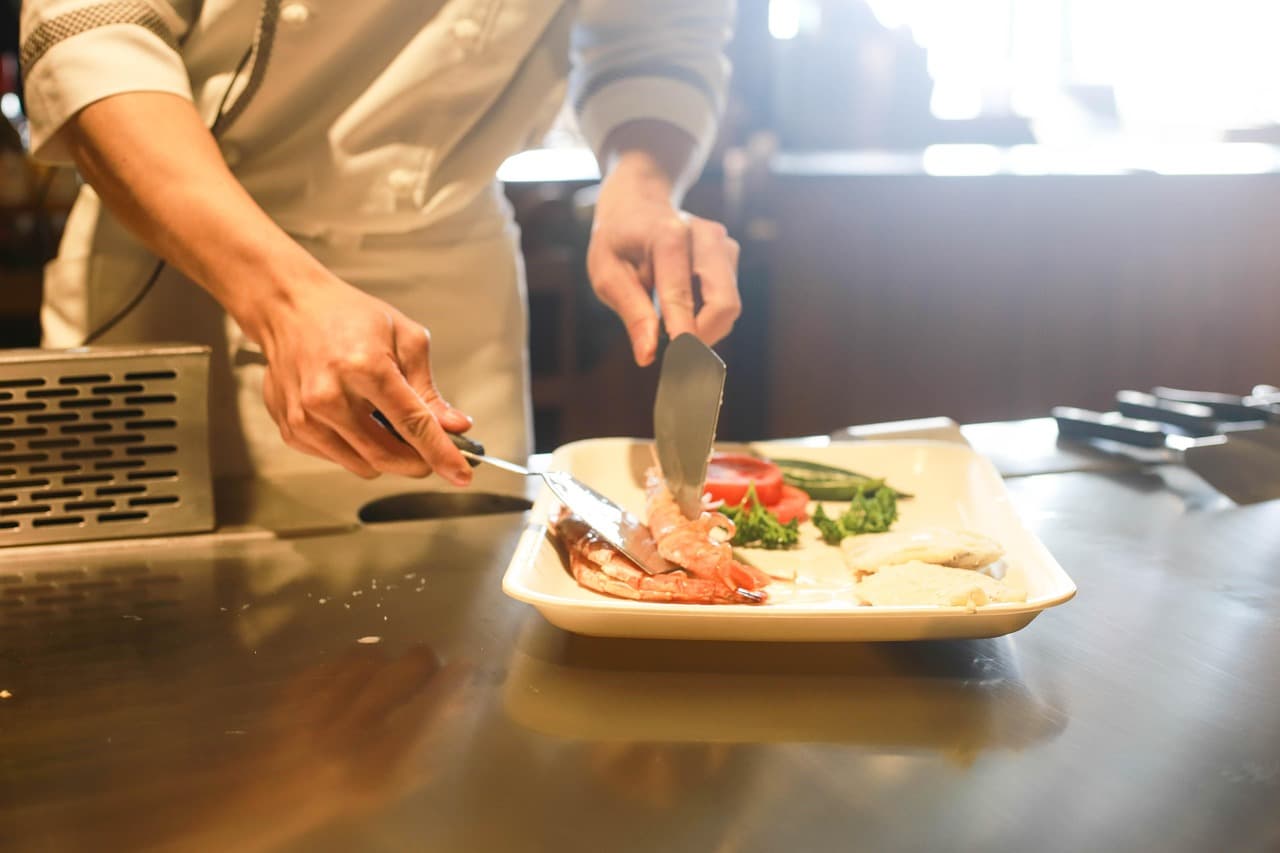
 Photo: Photo by Andrea Piacquadio on Pexels
The UK hospitality sector is facing one of its toughest periods in recent memory. According to a major industry survey by CGA by NIQ, one in five hospitality businesses now fear collapse within the next 12 months. With business rates rises, minimum wage increases, and surging energy costs all converging from April 2026, operators need to act now to protect their margins.
What's driving the crisis?
The numbers paint a stark picture. The survey, covering operators of more than 20,000 venues, found that:
44% of respondents are pessimistic about the future
17% are already operating at a loss
2% believe their businesses are already unviable
From 1 April 2026, hospitality businesses face a triple hit:
Employment costs top the list of concerns. UKHospitality estimates the national living wage and minimum wage increases will add an extra £1.4 billion in costs across the sector.
Business rates are rising sharply. The average hotel in England faces a 30% increase (£28,900), while the average restaurant sees a 15% rise of around £1,800.
Energy costs are climbing due to turmoil in global markets, with businesses not on fixed-term contracts particularly exposed.
"Too many businesses are simply not making any money, and it's because the sector's cost burden is so high. The only result is lost jobs and business closures, which ultimately hurts communities and high streets."
UKHospitality, British Beer and Pub Association, British Institute of Innkeeping, and Hospitality Ulster
What relief is available?
The government has introduced some support. Pubs will receive a 15% business rates discount and a two-year freeze. Relief schemes cap the level of increases for other hospitality businesses. But industry leaders argue this falls short of what's needed, with many policies still "undermining government's objectives to grow the economy."
How operators can protect their businesses
While you can't control policy, you can control how efficiently your business runs. Here's where to focus.
Tighten your compliance processes
Non-compliance is expensive. A failed EHO inspection, a food safety incident, or a missed HACCP review doesn't just risk fines - it can shut you down. Digitising your food safety records, SFBB packs, and HACCP plans means less staff time wasted on paperwork and fewer costly mistakes.
Paddl automates routine compliance tasks so your team spends less time on admin and more time on service.
Reduce operational waste
With ingredient costs climbing, tighter stock management and supplier tracking matter more than ever. Systematic temperature monitoring, proper stock rotation, and documented supplier relationships help identify waste before it hits your bottom line.
Invest in staff efficiency, not just headcount
Higher wages don't have to mean higher costs per cover. Better training, clearer task management, and digital handover processes mean your team works smarter. Paddl's routine management and training tracking ensure nothing falls through the cracks, reducing the hidden cost of mistakes and re-work.
Get ahead of equipment failures
Unexpected equipment breakdowns are budget killers. Proactive maintenance scheduling and AI-powered equipment health monitoring help you plan repairs before they become emergencies, spreading costs predictably rather than absorbing surprise bills.
Use data to make decisions
When every pound counts, guesswork is a luxury you can't afford. Digital compliance dashboards give you real-time visibility across locations, so you can spot problems early and allocate resources where they'll have the most impact.
The bottom line
The hospitality sector is resilient, but resilience alone won't be enough in 2026. Businesses that survive this cost crunch will be the ones that run the tightest operations, eliminate waste, and use technology to do more with less.
The industry needs government to act on costs. But while you wait for policy to catch up, there's plenty you can do right now to protect your business.