Understanding COSHH Hospitality in UK Restaurants and Hotels
From kitchen chemicals to bar cleaning agents, COSHH hospitality compliance protects your staff and business. Here is how to get it right across every area of your venue.
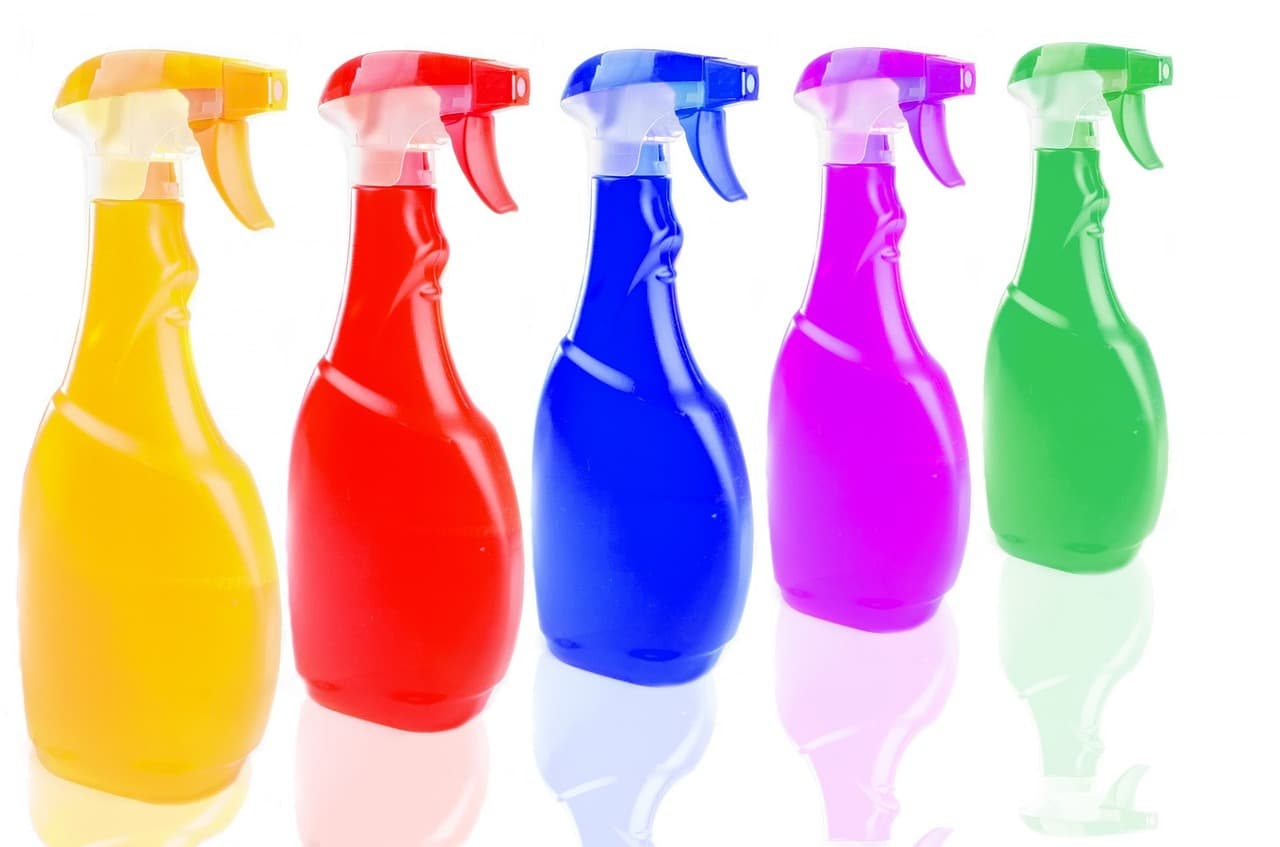 Photo: Image by PublicDomainPictures on Pixabay
Every hospitality venue in the UK - from a busy city-centre restaurant to a rural bed and breakfast - uses substances that can cause serious harm if handled incorrectly. Cleaning fluids, industrial degreasers, pest control chemicals, and even some food preparation products all fall within the scope of the Control of Substances Hazardous to Health (COSHH) Regulations 2002. Yet COSHH hospitality compliance remains one of the most overlooked areas of workplace safety in the sector.
This guide is structured as a practical how-to for hospitality managers, owners, and compliance officers. It covers not just the legal framework, but the specific hazards by venue area, step-by-step risk assessment guidance, common mistakes, and cost-effective strategies that work even for small independent businesses.
What is COSHH in the Hospitality Industry?
COSHH stands for Control of Substances Hazardous to Health. The regulations, enforced by the Health and Safety Executive (HSE), require employers to prevent or adequately control employees' exposure to substances that could damage their health. In the context of coshh hospitality, this means assessing and managing every hazardous substance used across your kitchen, bar, housekeeping operation, and maintenance activities.
Unlike some industries where hazardous substances are an obvious concern, hospitality businesses often underestimate their chemical footprint. A standard restaurant might use oven cleaners, descalers, sanitisers, drain unblockers, dishwasher chemicals, glass polishers, floor strippers, and pest control substances - all in a single shift. Hotels add laundry chemicals, swimming pool treatments, and HVAC cleaning products to that list.
Failure to comply with COSHH regulations can result in enforcement notices, prosecution, unlimited fines, and - most importantly - serious harm to your team. The HSE prosecutes hospitality businesses every year for COSHH failures, and many incidents involve staff who were simply never told about the risks of the products they were using daily.
The 5 Main Types of Hazardous Substances in Hospitality
COSHH covers a wide range of substances. In hospitality, the five main categories your team is most likely to encounter are:
Chemicals and cleaning agents - Oven degreasers, bleach, caustic soda, sanitisers, and descalers are corrosive, irritant, or toxic. These are the most common COSHH substances in hospitality and are present in virtually every venue.
Biological agents - Harmful micro-organisms including bacteria, viruses, and fungi that can be present in food waste, blocked drains, and laundry. These overlap with food safety legislation but also fall under COSHH.
Dusts and particulates - Flour dust in bakeries and kitchen operations is a recognised occupational hazard. Long-term exposure can cause occupational asthma. This is a frequently missed risk in catering environments.
Fumes and vapours - Cooking fumes, solvent-based cleaning products, and carbon dioxide from draught beer lines all generate airborne hazards that require ventilation controls.
Pesticides and pest control substances - Rodenticides, insecticides, and fumigants used in pest management programmes. Only trained and certificated contractors should apply these, but hospitality managers must still maintain records and restrict access to treated areas.
The 8 Principles of COSHH Explained for Hospitality Managers
The HSE sets out eight principles of good COSHH practice that all employers must follow. Here is what each one means in a practical hospitality context:
1. Design and operate processes and activities to minimise emission, release, and spread of substances hazardous to health - This means, for example, using a closed dilution system for cleaning chemicals rather than decanting from large containers.
2. Take into account all relevant routes of exposure - Inhalation, skin contact, and ingestion are all relevant in hospitality. A kitchen porter, for instance, faces skin exposure from washing-up chemicals as well as potential inhalation from aerosol sanitisers.
3. Control exposure by measures proportionate to the health risk - Not every chemical requires full PPE. A colour-coded microfibre cloth system may be sufficient control for a mild sanitiser, while an oven cleaner demands gloves, eye protection, and ventilation.
4. Choose the most effective and reliable control options - Substituting a hazardous chemical with a safer alternative is always preferable to adding more PPE layers.
5. Where adequate control cannot be achieved by other means, use personal protective equipment (PPE) in addition to other controls - PPE is the last line of defence, not the first.
6. Check and review control measures regularly - Conduct formal COSHH reviews at least annually, or whenever a new substance is introduced or working practices change.
7. Inform and train all employees on the hazards and risks - Training must be specific to the substances employees actually use and the tasks they perform.
8. Ensure that the introduction of control measures does not increase the overall risk to health and safety - For example, switching to a more concentrated cleaning product to reduce packaging waste must not increase exposure risk.
Safety Hazards by Area: Kitchen, Bar, and Housekeeping
One of the most practical ways to approach coshh hospitality management is to map hazards by operational area. Different parts of your venue carry different risks, and your control measures should reflect that.
Kitchen Operations
High-alkaline oven and grill cleaners - Highly corrosive; require nitrile gloves, apron, and eye protection as a minimum. Must never be used in poorly ventilated spaces.
Dishwasher detergents and rinse aids - Can cause chemical burns on skin contact. Staff should be trained never to handle tablet formulations without gloves.
Flour dust - A long-term hazard for bakers and kitchen staff. If your team handles more than a few kilograms of flour per shift, a dust assessment and extraction ventilation may be required.
Cooking fumes - Particularly from high-temperature frying. Adequate extraction hood maintenance is both a fire safety and COSHH requirement.
Bar Operations
Carbon dioxide (CO2) from draught beer lines - CO2 is an asphyxiant. Cellar spaces must be ventilated, and staff must be trained in the risks before working in confined cellar areas. CO2 monitors are strongly recommended.
Glass and bar sanitisers - Often contain quaternary ammonium compounds or chlorine-based agents. Skin sensitisation is a documented risk with repeated exposure.
Line-cleaning chemicals - Highly caustic products used to clean draught lines. Should only be handled by trained staff and must be stored separately from other products.
Housekeeping and Hotel Operations
Bathroom and toilet cleaners - Often contain strong acids (for limescale) or bleach. Mixing these - even accidentally through residue in a container - produces toxic chlorine gas.
Laundry detergents and fabric softeners - Enzyme-based laundry products can cause occupational asthma with chronic exposure. On-premises laundry operations should include respiratory risk assessment.
Swimming pool chemicals (for hotels with leisure facilities) - Chlorine and pH adjustment chemicals are some of the highest-risk substances in a hotel environment. These require formal COSHH assessments, specialist storage, and trained personnel.
How to Conduct a COSHH Risk Assessment - Step by Step
A COSHH risk assessment is the cornerstone of compliance. Here is how to complete one effectively for a hospitality venue:
Step 1 - Compile a full chemical inventory. Walk through every area of your venue and list every substance used, including cleaning products, maintenance chemicals, and pest control. Do not forget products stored under sinks or in storerooms that staff use informally.
Step 2 - Obtain Safety Data Sheets (SDS) for every substance. Your supplier is legally required to provide these. The SDS contains hazard information, safe handling guidance, and emergency procedures. Store them in a location accessible to all staff.
Step 3 - Assess who might be harmed and how. Consider all staff groups: kitchen porters, chefs, bar staff, housekeeping, maintenance, and also contractors and temporary staff who may not have received full induction training.
Step 4 - Evaluate the risks and decide on control measures. Use the hierarchy of controls: eliminate the substance if possible, substitute with a safer alternative, introduce engineering controls (ventilation, enclosed systems), then administrative controls (safe working procedures), and finally PPE.
Step 5 - Record your findings. Any business with five or more employees must record their COSHH assessment in writing. Even if you have fewer than five employees, written records are best practice and provide protection in the event of a dispute or inspection.
Step 6 - Review and update. Review your assessment annually as a minimum, or whenever a new substance is introduced, a significant incident occurs, or working practices change substantially.
Safe Handling and Storage Procedures
Good COSHH practice in hospitality is not just about paperwork - it is about how your team interacts with chemicals every single day. Practical storage and handling standards to implement include:
Store chemicals in a dedicated locked cupboard away from food preparation and storage areas.
Never decant chemicals into unlabelled containers or, crucially, into food or drink containers such as bottles or jugs. This is one of the most common causes of accidental ingestion incidents in catering environments.
Keep incompatible substances - such as acids and alkalis, or bleach and ammonia-based cleaners - separated in storage. Clearly label shelves to prevent confusion.
Use colour-coded cleaning equipment to prevent cross-contamination and reduce the risk of chemicals being used in the wrong areas.
Ensure PPE is available, maintained, and in the correct size for all staff members. PPE that does not fit properly offers no protection.
Post concise safe-use instructions near the point of use, especially for high-risk products. A laminated one-page guide at the oven cleaning station, for example, is far more effective than a lengthy document kept in the manager's office.
COSHH Training Requirements for Hospitality Staff
Under COSHH Regulation 12, employers must provide staff with suitable and sufficient information, instruction, and training. In practice, this means:
Induction training for all new starters before they handle any hazardous substance - not after their first shift.
Role-specific training tailored to the substances each job role involves. A front-of-house team member does not need the same depth of training as a kitchen porter, but both need awareness of what to do in an emergency.
Refresher training at least annually, and whenever substances or procedures change.
Managing COSHH during staff transitions is a critical and often overlooked risk. When an experienced team member leaves, their knowledge of safe handling practices leaves with them. Document all procedures clearly so that handover training is consistent and nothing falls through the gaps.
Training records must be kept for all staff. In a high-turnover industry like hospitality, maintaining these records is challenging but essential. Digital training management tools can help you track completion and send automated reminders.
Common COSHH Compliance Mistakes Hospitality Businesses Make
Based on HSE inspection findings and industry incident reports, these are the compliance failures most commonly found in hospitality venues:
Assessments completed once and never reviewed - COSHH is not a one-and-done exercise. An assessment written when you opened your restaurant five years ago is unlikely to reflect your current chemical inventory or working practices.
Generic, template-based assessments - Downloading a generic COSHH template and adding your business name is not a compliant assessment. Your assessment must reflect the actual substances you use and the specific tasks your staff perform.
Ignoring temporary and agency staff - Hospitality relies heavily on agency workers and seasonal staff. These individuals are statistically more likely to be involved in chemical incidents because they have often not received adequate COSHH induction.
Treating PPE as the only control measure - Gloves and goggles are important, but they are not a substitute for ventilation, safe storage, or process controls.
No documented emergency procedures - Every venue must have clear, written procedures for chemical spills, accidental ingestion, and skin or eye contact incidents. These should be posted visibly, not buried in a folder.
Buying cheaper chemical alternatives without reassessing - Switching to a new supplier or product to save money is sensible, but the new substance must be assessed before it is used. Its hazard profile may be entirely different from the product it replaces.
Integrating COSHH with Other Hospitality Safety Frameworks
COSHH does not exist in isolation. In a hospitality setting, it intersects closely with several other compliance frameworks, and managing them in an integrated way reduces duplication and makes compliance more manageable.
Food safety and HACCP - Cleaning chemicals used in food preparation areas must be food-safe and stored away from food contact surfaces. Your HACCP plan should reference your COSHH controls for cleaning and sanitisation steps.
Manual handling - Many COSHH incidents occur during the manual handling of heavy chemical containers. Your manual handling risk assessment should consider not just the weight of the load but the chemical hazard it presents if dropped or spilled.
Fire safety - Some hazardous substances are also flammable. Your fire risk assessment and COSHH assessment should be cross-referenced, and flammable substances should be stored in accordance with both frameworks.
General workplace risk assessment - The Management of Health and Safety at Work Regulations 1999 require a general risk assessment. COSHH assessments feed into this broader picture and should be referenced within your overall health and safety management system.
Digital Tools and Budget-Friendly Compliance Strategies
Many small and independent hospitality businesses feel overwhelmed by the administrative demands of COSHH compliance. The good news is that technology and some smart approaches can make the process significantly more manageable without breaking the budget.
Use your chemical supplier's resources - Most reputable chemical suppliers provide free Safety Data Sheets, dilution guides, and even staff training materials. Ask your supplier representative what is available.
Consolidate your chemical range - The fewer different substances you use, the fewer assessments you need. Review your cleaning product range and look for multi-purpose products that safely replace several single-purpose ones.
Digital COSHH management software - Platforms designed for the hospitality sector allow you to store Safety Data Sheets, log assessments, track training, and set review reminders in one place. This is particularly valuable for multi-site operators.
The HSE's free COSHH e-tool - The HSE provides a free online tool (available at hse.gov.uk) specifically designed to help small businesses create COSHH assessments. It is a genuinely useful starting point for independent venues.
Consider the cost of non-compliance - An HSE enforcement notice can result in fines running into tens of thousands of pounds, not to mention legal costs and reputational damage. A modest investment in compliance software and training is almost always cheaper than the alternative.
Incident Reporting and Documentation Best Practices
When a COSHH-related incident occurs - a chemical splash, an allergic reaction, or a case of occupational asthma - the quality of your documentation will determine both the effectiveness of your response and your legal position.
Record all incidents in your accident book and on an internal incident report form. Include the substance involved, the task being performed, the control measures that were in place, and the outcome.
Report notifiable incidents under RIDDOR (Reporting of Injuries, Diseases and Dangerous Occurrences Regulations 2013). If a staff member is diagnosed with an occupational disease linked to chemical exposure - such as occupational asthma or dermatitis - this must be reported to the HSE.
Conduct a post-incident review. Every chemical incident, however minor, is a signal that something in your control system is not working as intended. Use near-miss and minor incidents to improve your procedures before a serious injury occurs.
Keep incident records for a minimum of three years. For incidents involving exposure to hazardous substances, records should be retained for 40 years if the substance has the potential to cause long-term health effects.
Customer Safety Considerations
While COSHH is primarily focused on protecting employees, hospitality businesses also have a duty of care to customers. Chemical residues left on food contact surfaces, glasses, or cutlery can cause harm to guests. Pest control treatments in accessible areas can pose risks if customers are not appropriately redirected. Ensure that:
Cleaning procedures include appropriate rinsing and drying of food contact surfaces to remove chemical residues.
Chemical treatments such as pest control are carried out outside of service hours and that treated areas are clearly marked and not accessible to guests until safe.
Staff are trained to respond appropriately if a customer reports a reaction they believe is linked to a chemical substance - and that the incident is documented.
COSHH Audit Checklist for Hospitality Venues
Use this quick-reference checklist to assess the current state of your COSHH hospitality compliance:
Do you have a complete, up-to-date inventory of all hazardous substances on your premises?
Do you hold current Safety Data Sheets for every substance on that list?
Has a written COSHH risk assessment been completed for each substance or activity?
Have your assessments been reviewed within the last 12 months?
Are all staff - including temporary and agency workers - trained before handling hazardous substances?
Are training records maintained for all employees?
Are chemicals stored correctly - labelled, separated, and locked away from food and public areas?
Is appropriate PPE available, in good condition, and in the correct sizes for your team?
Are emergency procedures for chemical incidents documented and visible at point of use?
Are chemical incidents and near-misses being recorded and reviewed?
Final Thoughts
COSHH hospitality compliance is not about bureaucracy for its own sake - it is about protecting the people who work in your venue every day. The kitchen porter scrubbing the oven at midnight, the housekeeper cleaning twenty bathrooms back-to-back, the bar supervisor changing CO2 cylinders in a poorly ventilated cellar: these are the people COSHH regulations are designed to protect.
Getting your coshh hospitality framework right does not require a large budget or a dedicated compliance team. It requires a systematic approach, clear documentation, consistent training, and a culture where staff feel confident to raise concerns about the substances they are working with. Start with the audit checklist above, address the gaps, and build from there.
For more guidance on hospitality compliance, operational management, and staff safety, explore the Paddl Insights resource library.