Understanding Restaurant Closing Checklist Systems and Implementation
Discover how to design and implement effective restaurant closing checklist systems that ensure consistency, reduce costs, and maintain compliance across your hospitality business.
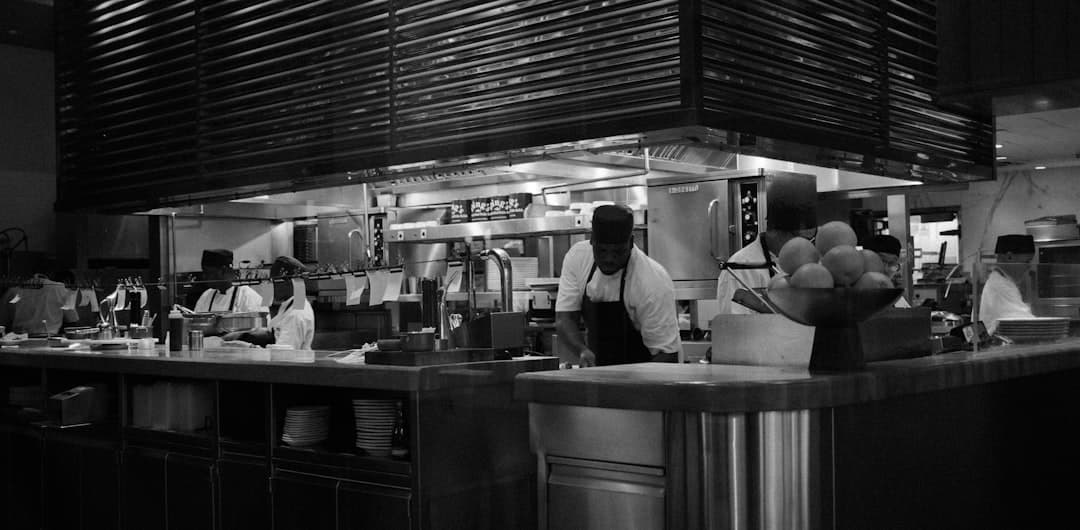
 Photo: Photo by Sóc Năng Động on Pexels
Every successful restaurant operation hinges on consistency, and nowhere is this more critical than during closing procedures. A well-structured restaurant closing checklist system does more than ensure doors are locked and lights are switched off - it protects your business from significant financial losses, maintains compliance standards, and creates the foundation for operational excellence across your hospitality venture.
The Hidden Costs of Poor Closing Procedures
The financial impact of inadequate closing procedures extends far beyond what many hospitality managers realise. Industry research indicates that establishments without systematic closing procedures experience 15-20% higher operational costs annually. These costs manifest through increased food waste, higher utility bills from equipment left running, and elevated insurance claims from security incidents.
Energy consumption alone can account for significant losses. Commercial refrigeration units operating inefficiently due to improper closing procedures can increase electricity costs by up to £300 monthly for average-sized establishments. Meanwhile, food waste from inadequate storage protocols during closing can represent 2-4% of total food costs - a substantial sum that directly impacts profitability.
Beyond immediate financial implications, inconsistent closing procedures create compliance vulnerabilities. The Food Standards Agency requires specific temperature monitoring and cleaning protocols that must be documented and followed consistently. Failure to maintain these standards can result in enforcement actions, temporary closures, or reputational damage that takes years to rebuild.
Anatomy of an Effective Restaurant Closing Checklist System
An effective restaurant closing checklist system comprises multiple interconnected components that work together to ensure comprehensive coverage of all critical areas. The system should be designed around three core principles: completeness, accountability, and adaptability.
The foundation of any robust system lies in its hierarchical structure. Master checklists provide overarching guidance for managers, while detailed task-specific checklists guide individual team members through their responsibilities. This layered approach ensures nothing falls through the gaps whilst preventing individual team members from becoming overwhelmed by the full scope of closing procedures.
Critical elements that every comprehensive restaurant closing checklist system must address include:
Food safety compliance including temperature logging and storage verification
Equipment shutdown sequences with specific timing and verification steps
Cash handling and till reconciliation procedures with dual verification requirements
Cleaning and sanitisation protocols aligned with HACCP principles
Security measures including alarm systems and access control verification
Stock management including waste recording and inventory protection
Digital vs Traditional Checklist Methods
The choice between digital and traditional paper-based checklist systems significantly impacts implementation success and long-term effectiveness. Each approach offers distinct advantages that must be weighed against operational requirements and team capabilities.
Traditional paper-based systems provide immediate accessibility and require no technical training. They function regardless of power outages or technical failures, making them reliable in challenging circumstances. However, paper systems create significant administrative overhead, lack real-time monitoring capabilities, and provide limited data for performance analysis.
Digital restaurant closing checklist systems offer compelling advantages for modern operations. Real-time completion tracking allows managers to monitor progress remotely and identify potential issues before they become problems. Automatic timestamping and photo verification capabilities provide robust audit trails that support compliance demonstrations during inspections.
The data analytics capabilities of digital systems prove particularly valuable for operational improvement. Completion times, recurring issues, and staff performance patterns become visible through dashboard reporting, enabling data-driven decisions about procedure refinements and training needs.
Hybrid approaches often provide optimal solutions for many establishments. Core compliance items remain on paper systems for reliability, whilst operational efficiency tasks utilise digital platforms for enhanced tracking and analysis.
Creating Role-Specific Closing Procedures
Effective restaurant closing checklist implementation requires recognition that different roles within your operation have distinct responsibilities and capabilities. Generic checklists often fail because they either overwhelm junior staff with irrelevant tasks or fail to provide sufficient detail for complex responsibilities.
Kitchen closing procedures demand particular attention to food safety protocols and equipment maintenance. Head chefs require comprehensive checklists covering temperature monitoring, stock rotation verification, and deep cleaning schedules. Meanwhile, kitchen assistants need detailed, step-by-step guidance for specific tasks like proper food storage and basic equipment shutdown.
Front-of-house closing procedures focus heavily on customer-facing areas and financial reconciliation. Managers need overarching responsibility for cash handling verification and final security checks, whilst serving staff concentrate on cleaning protocols and equipment preparation for the following day.
Cross-training capabilities should be built into role-specific procedures to ensure operational continuity during staff absences. This requires creating tiered access to checklist systems where appropriately trained team members can assume expanded responsibilities when required.
Building Accountability Into Your Closing System
Accountability mechanisms separate successful restaurant closing checklist systems from those that become merely administrative exercises. Without clear responsibility assignment and verification processes, even the most comprehensive checklists fail to deliver consistent results.
Individual task ownership creates the foundation for accountability. Each checklist item should identify both the responsible party and the verification method. This dual-layer approach ensures tasks are completed correctly whilst providing management with confidence in system effectiveness.
Signature requirements and timestamp verification provide audit trails that support performance management and compliance demonstrations. However, these mechanisms must balance thoroughness with practical implementation - overly complex verification processes often lead to shortcuts and system circumvention.
Exception reporting processes enable teams to document and escalate issues that prevent normal closing procedure completion. This creates learning opportunities and prevents recurring problems from undermining system effectiveness.
Regular accountability reviews should examine both compliance rates and outcome quality. High completion percentages mean little if the underlying tasks are performed inadequately or safety standards are compromised.
Common Implementation Challenges and Solutions
Restaurant closing checklist implementation faces predictable challenges that can derail even well-designed systems. Understanding these obstacles and preparing appropriate responses significantly improves implementation success rates.
Staff resistance often emerges from perceived additional workload or concerns about increased scrutiny. Address these concerns through comprehensive training that emphasises how systematic procedures actually reduce individual stress and improve job security. Demonstrate cost savings and efficiency improvements that directly benefit team members through improved working conditions or enhanced job stability.
Time pressure during busy periods frequently leads to checklist shortcuts or abandonment. Design procedures that integrate naturally with existing workflows rather than creating additional steps. Prioritise critical compliance and safety items whilst making operational efficiency tasks flexible based on circumstances.
Inconsistency between shifts or locations creates confusion and undermines system credibility. Establish clear standards that apply universally whilst allowing appropriate flexibility for operational variations. Regular cross-training and management rotation help maintain consistency across different teams.
Technology failures or complexity can quickly discourage adoption of digital systems. Maintain simple paper-based backup procedures for critical compliance items whilst investing in robust, user-friendly digital platforms that enhance rather than complicate operations.
Measuring Success and Continuous Improvement
Effective measurement systems transform restaurant closing checklist procedures from static compliance exercises into dynamic improvement tools. Success metrics should encompass both process compliance and business outcome improvements.
Completion rate tracking provides baseline performance data but must be supplemented with quality indicators. Average completion times, exception frequency, and verification pass rates offer deeper insights into system effectiveness and training needs.
Financial impact measurement demonstrates return on investment and supports continued management commitment. Track energy costs, waste levels, security incidents, and compliance-related expenses to quantify the business value of systematic closing procedures.
Staff feedback mechanisms ensure continuous improvement aligns with practical operational requirements. Regular surveys, team meetings, and suggestion systems identify procedural refinements that enhance both effectiveness and user adoption.
Benchmark comparison with industry standards and similar establishments provides context for performance evaluation and identifies improvement opportunities.
Technology Integration for Modern Operations
Modern restaurant closing checklist systems increasingly integrate with broader operational technology platforms to create seamless workflow integration. Point-of-sale systems, inventory management platforms, and building management systems can all contribute data that enhances closing procedure effectiveness.
Automated temperature monitoring systems eliminate manual logging requirements whilst providing more accurate and frequent data collection. Smart energy management systems can automatically implement equipment shutdown sequences based on checklist completion, ensuring consistency and reducing human error.
Mobile applications enable remote monitoring and provide real-time alerts for managers, improving response times when issues arise. Photo verification capabilities support quality assurance whilst creating documentation for insurance claims or compliance audits.
Integration with scheduling systems ensures appropriate staffing levels for closing procedures whilst tracking individual performance metrics that support training and development programs.
Cloud-based platforms provide data accessibility across multiple locations whilst maintaining centralised control over procedure standards and compliance monitoring.
Implementing an effective restaurant closing checklist system requires careful planning, systematic execution, and ongoing refinement. The investment in comprehensive closing procedures pays dividends through reduced operational costs, improved compliance, and enhanced team performance. Success comes from understanding that these systems are not merely administrative requirements but strategic tools that support sustainable business growth and operational excellence in the competitive UK hospitality market.