Restaurant Management Best Practices for the Hospitality Industry
Master restaurant management with this practical UK guide covering daily duties, financial control, staff leadership, technology tools, and the skills every hospitality manager needs.
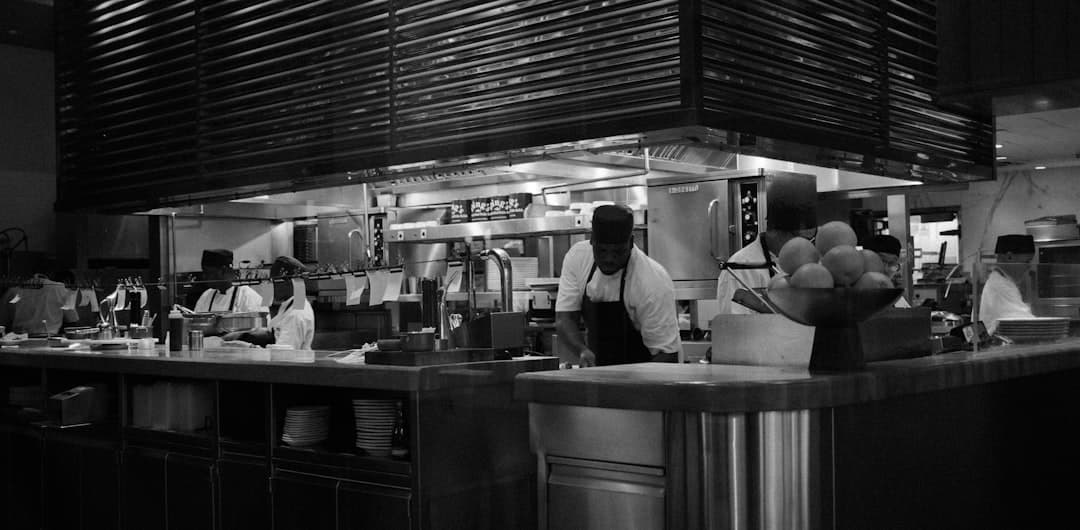
 Photo: Photo by Louis Hansel on Unsplash
What Is Restaurant Management?
Restaurant management is the process of overseeing and coordinating all aspects of a food service operation to ensure it runs efficiently, profitably, and in line with regulatory requirements. It encompasses everything from daily floor operations and kitchen coordination to financial planning, staff leadership, customer experience, and legal compliance.
In the UK context, restaurant management also means staying on top of obligations under the Food Safety Act 1990, the Health and Safety at Work Act 1974, the Licensing Act 2003 (where applicable), and the full suite of employment law requirements - from the National Living Wage to Working Time Regulations. A strong manager holds all of these threads together while keeping the guest experience front and centre.
Put simply: restaurant management is the engine that keeps everything moving. Without it, even the most talented chefs and the warmest front-of-house teams will struggle to deliver consistency and profitability.
The Daily Duties of a Restaurant Manager
No two days are identical in a restaurant, but the best managers create structure around their daily responsibilities. Here is how a typical day breaks down:
Before Service
Review the day's bookings and flag any large parties, dietary requirements, or VIP guests
Complete or review opening checklists covering cleanliness, equipment checks, and temperature logs
Brief the team on specials, 86'd items, and any service priorities
Confirm staffing levels match the expected cover count and adjust if needed
Check stock levels and approve any last-minute supplier orders
During Service
Monitor floor flow, table turn times, and guest satisfaction in real time
Act as a communication bridge between front-of-house and kitchen teams
Handle complaints or service recovery immediately and professionally
Watch for early signs of staff fatigue or conflict and intervene early
After Service
Review daily sales reports and compare against targets
Complete closing checklists and ensure food safety records are up to date
Note any maintenance issues or staff incidents for follow-up
Update waste logs and record any stock discrepancies
Essential Skills for Effective Restaurant Management
The 7 basic management skills that hospitality professionals consistently identify as most critical are:
Communication - Clearly conveying expectations to kitchen staff, floor teams, and suppliers while remaining approachable for your team's concerns.
Decision-making - Acting quickly on incomplete information during a busy service without compromising quality or safety.
Organisation - Juggling rotas, stock orders, compliance deadlines, and guest bookings without dropping the ball.
Leadership - Inspiring a team that often includes part-time, seasonal, and younger workers who need coaching as much as managing.
Problem-solving - Navigating a no-show chef, a supplier delivery failure, or a guest complaint with composure and creativity.
Financial acumen - Reading P&L reports, understanding gross profit margins, and making data-driven decisions about menus and staffing.
Adaptability - Responding to market changes, seasonal demand shifts, and post-2024 cost pressures with a flexible, forward-thinking approach.
These skills are not innate - they are developed. Many UK operators now invest in structured training programmes, including Level 3 and Level 4 hospitality management qualifications, to build these capabilities systematically across their management teams.
The 5 Basic Management Principles Applied to Restaurants
Henri Fayol's five principles of management remain as relevant to a modern UK restaurant as they were when first articulated. Here is how each one applies in practice:
Planning - Set clear monthly and quarterly targets for covers, revenue, and gross profit. Work backward to establish the actions needed to hit them.
Organising - Assign roles and responsibilities clearly. Avoid the common trap of one manager doing everything - delegate meaningfully.
Commanding - Provide clear direction during service and in team meetings. Vague instructions lead to inconsistent results and frustrated staff.
Coordinating - Ensure the kitchen and front-of-house work in sync. Miscommunication between these two functions is one of the most common causes of service failure.
Controlling - Monitor performance against targets. Use your POS data, waste logs, and labour cost reports to spot issues before they become problems.
The 30/30/30/10 Rule: Managing Your Restaurant Finances
The 30/30/30/10 rule is a widely used financial benchmark in restaurant management. It suggests that for every pound of revenue your restaurant generates, you should aim to allocate costs roughly as follows:
30% on food and beverage costs (cost of goods sold)
30% on labour costs (wages, National Insurance, pensions)
30% on overheads (rent, utilities, rates, insurance, maintenance)
10% as operating profit
It is worth noting that in the current UK climate - with energy costs, National Living Wage increases, and food inflation all squeezing margins - many operators are working hard just to land in the 5-8% profit range. The 30/30/30/10 rule is a target benchmark, not a guaranteed outcome. Use it as a diagnostic tool: if your food costs are running at 38%, that tells you something specific needs to change in your procurement, portioning, or menu pricing.
Practical cost control steps that work in today's environment include:
Conducting weekly or bi-weekly stock takes rather than monthly, to catch waste and theft sooner
Engineering your menu to highlight high-margin dishes and phase out poor performers
Negotiating flexible terms with suppliers and consolidating orders to reduce delivery fees
Using scheduling software to match labour hours precisely to forecasted demand
Reviewing utility contracts annually and investing in energy-efficient equipment where ROI justifies it
Staff Management, Team Leadership, and Retention
People are simultaneously your greatest asset and your biggest operational challenge. UK hospitality has faced chronic staff shortages since 2020, and effective restaurant management now requires as much focus on keeping good people as it does on finding them.
Building a strong team culture starts with the basics:
Fair and transparent scheduling - Use scheduling software to create rotas at least two weeks in advance. Staff who can plan their lives are staff who stay.
Clear onboarding - A structured first week makes a significant difference to long-term retention. Cover food safety, allergen procedures, service standards, and your values.
Regular one-to-ones - Brief monthly check-ins help you catch disengagement early and demonstrate that you value your team as individuals.
Recognition and progression - People stay where they feel seen. Make promotion pathways explicit, even in small operations.
Seasonal staffing planning - UK hospitality has pronounced seasonal peaks (summer, Christmas, school holidays). Build your recruitment calendar around these well in advance.
From a legal standpoint, ensure you are compliant with UK employment law at every stage: written contracts issued within two months of start date, right-to-work checks completed, National Living Wage paid correctly, and Working Time Regulations observed, particularly for younger workers under 18.
Customer Satisfaction: Turning Guests Into Regulars
Acquiring a new customer costs significantly more than retaining an existing one. Effective restaurant management therefore places as much emphasis on the post-visit experience as the in-venue one.
Practical strategies that UK restaurants use to build loyalty:
Respond to every online review - both positive and negative - within 48 hours. Your response is read by future guests, not just the reviewer.
Train your team on service recovery. A handled complaint often results in a more loyal guest than one who had a perfect visit. Empower staff to offer a sincere apology and a small gesture without needing manager approval every time.
Collect guest data with consent and use it for targeted marketing - birthday offers, seasonal promotions, and event invitations all perform well in hospitality.
Make allergen and dietary communication proactive, not reactive. Guests who feel confident their needs will be met return more often and recommend more frequently.
Technology Tools That Transform Restaurant Operations
Technology is no longer a nice-to-have in restaurant management - it is a competitive necessity. The right tools reduce errors, save management time, and give you data to make better decisions.
Key technology categories to consider:
POS systems (Point of Sale) - Modern systems like Lightspeed, Square for Restaurants, or Zonal go far beyond taking payments. They track sales by item, flag slow-moving dishes, and integrate with your stock management system to give you live cost-of-sales data.
Scheduling and HR software - Tools such as Paddl, Rotaready, and Fourth help managers build compliant rotas, track hours against budgets, and manage holiday requests in one place. They are particularly valuable for managing large or multi-site teams.
Reservation and table management platforms - Systems like ResDiary and OpenTable provide demand forecasting, reduce no-shows through automated reminders, and integrate with your team's prep planning.
Food safety and compliance apps - Digital platforms replace paper-based temperature logs, cleaning schedules, and HACCP records with auditable digital trails, which is increasingly expected during FSA inspections.
Inventory management software - Dedicated tools like MarketMan or Apicbase automate stock takes, track wastage, and alert you when usage is running above recipe standards.
When evaluating technology, focus on integration first. A POS that does not talk to your scheduling software creates more work, not less. Look for platforms that share data and reduce manual double-entry.
Sustainability and Waste Management Practices
Sustainability is increasingly a factor in guest choice, staff recruitment, and regulatory compliance. From April 2022, the UK banned single-use plastics from food service operations, and further environmental requirements are expected in the coming years.
Practical sustainability actions that also make financial sense:
Measure food waste systematically using a waste tracking app or even a simple log. You cannot reduce what you do not measure.
Work with suppliers on smaller, more frequent deliveries to reduce spoilage - this also improves cash flow.
Use platforms like Too Good To Go or Olio to sell surplus food at end of service rather than discarding it.
Review your waste contractor and ensure you are segregating food, recycling, and general waste correctly - incorrect segregation can result in higher charges.
Promote your sustainability efforts in your marketing. Younger guests in particular respond positively to visible environmental commitments.
Career Progression and Salary in UK Restaurant Management
Restaurant management offers a genuinely diverse career path, from supervisor roles all the way through to group operations director. Here is a broad overview of typical UK salary ranges as of 2024:
Role | Typical UK Salary Range | Key Focus |
|---|---|---|
Supervisor / Team Leader | £22,000 - £26,000 | Shift management, team coaching |
Assistant Manager | £26,000 - £32,000 | Operations support, rota and stock |
Restaurant Manager | £32,000 - £45,000 | Full P&L, staffing, guest experience |
General Manager (large venue) | £45,000 - £60,000+ | Strategic planning, multi-team leadership |
Operations / Area Manager | £55,000 - £80,000+ | Multi-site performance and brand standards |
London and the South East typically command a 10-20% premium on these figures. Formal qualifications such as a Level 4 Hospitality Management diploma or a degree in Hospitality Management can accelerate progression and unlock higher salary bands, particularly in group and corporate environments.
Many operators now offer structured development programmes for promising supervisors, including mentoring from senior managers, cross-department secondments, and financial literacy training. If you are building a team for the long term, investing in your people's growth is one of the highest-return activities available to you.
Building a Resilient Restaurant: Crisis Management and Burnout Prevention
Restaurant management is one of the most demanding roles in any industry. Long hours, high-pressure service, thin margins, and staff turnover combine to create genuine mental health risks. The best operators now treat manager wellbeing as a business issue, not just a personal one.
Crisis management - whether that means handling a food safety incident, a social media complaint going viral, or a sudden staff walkout - requires both preparation and composure. Here are the principles that stand up in practice:
Have written protocols for the most likely crises: equipment failure, allergen incident, fire, flood, or serious staff complaint. Do not write these in the moment.
Communicate clearly and quickly in a crisis. Staff uncertainty makes bad situations worse. Even a brief five-minute briefing while you assess the situation is better than silence.
For online crises, have a designated person who responds to social media and review platforms, and agree a tone of voice in advance so your response is measured, not reactive.
Build genuine rest into your management culture. Managers who never take full days off burn out faster and make poorer decisions. Model the behaviour you want to see in your team.
Use your scheduling software to flag when individuals are consistently working over their contracted hours. Chronic overwork is a leading predictor of both burnout and resignation.
The Hospitality Action charity offers a free Employee Assistance Programme (EAP) specifically for UK hospitality workers and managers, providing confidential counselling and financial advice. It is worth sharing this resource with your whole team.
Goal Setting and Business Planning for Restaurant Managers
The most effective restaurant managers think beyond the immediate service and plan at a business level. Even if you are not the owner, understanding the bigger picture makes you a better operator and a more valuable leader.
A practical goal-setting framework for restaurant management:
Set three types of goals: financial (revenue, gross profit, labour percentage), operational (average review score, food safety rating, staff turnover rate), and developmental (training completed, new skills acquired).
Review goals monthly rather than waiting for year-end. The hospitality market moves too quickly for annual-only reviews.
Involve your team in operational goal-setting where appropriate. Staff who understand what you are trying to achieve - and why - are more likely to support the effort.
Align your marketing calendar to your trading calendar. Quiet periods need a different strategy to peak periods - plan both in advance.
Effective restaurant management is ultimately about building systems, developing people, and making decisions grounded in data rather than instinct alone. The operators who thrive in the current UK environment are those who combine genuine hospitality warmth with rigorous business discipline - and who never stop learning.
Frequently asked questions
What is restaurant management?
Restaurant management is the process of overseeing all aspects of a food service operation - including staffing, finances, customer experience, and regulatory compliance - to ensure it runs efficiently and profitably. In the UK, this includes responsibilities under the Food Safety Act 1990, employment law, and relevant licensing legislation. It spans everything from daily service operations to long-term business planning.
What is the 30/30/30/10 rule for restaurants?
The 30/30/30/10 rule is a financial benchmark suggesting restaurants allocate 30% of revenue to food and beverage costs, 30% to labour, 30% to overheads such as rent and utilities, and retain 10% as operating profit. In the current UK environment, with elevated energy costs and National Living Wage increases, many operators achieve closer to 5-8% profit. Use it as a diagnostic guide rather than a guaranteed target.
What are the 7 basic management skills?
The seven core management skills for restaurant managers are: communication, decision-making, organisation, leadership, problem-solving, financial acumen, and adaptability. These skills are not innate - they can be developed through experience, structured training programmes, and qualifications such as Level 3 or Level 4 hospitality management diplomas. Strong managers continually work to improve across all seven areas.
What are the 5 basic management principles?
Based on Fayol's management theory, the five principles are planning, organising, commanding, coordinating, and controlling. Applied to restaurants: plan targets and actions, organise roles clearly, give unambiguous direction, coordinate kitchen and front-of-house operations, and monitor performance using data from your POS, waste logs, and labour reports to ensure you stay on track.