Where Pubs Can Still Find Revenue Growth: Market Opportunities & Diversification
Margins are tight, but growth is still possible. Discover 10 proven pub revenue growth strategies - from menu engineering to tech ROI - that UK operators are using right now.
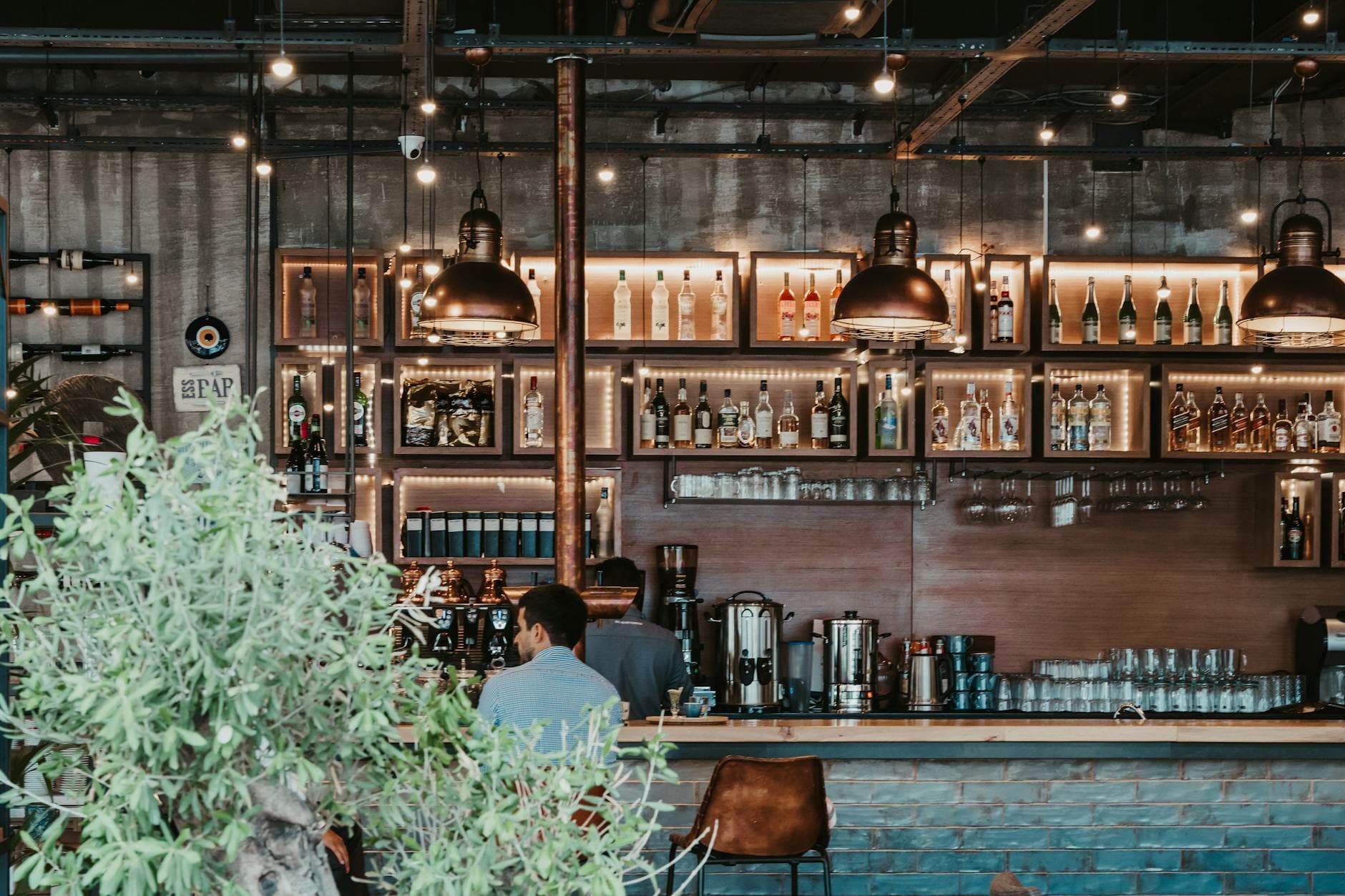 Photo: Photo by Masood Aslami on Pexels
The UK pub sector has rarely faced a tougher operating environment. Energy bills, wage inflation driven by National Living Wage increases, business rates, and shifting consumer habits have combined to squeeze margins to the bone. Yet some pubs are growing - not despite this pressure, but because they have found smarter ways to generate and protect revenue. This article sets out the ten most effective pub revenue growth strategies available to operators right now, covering everything from menu engineering to supply chain negotiation, and from loyalty programmes to post-cost accounting.
1. Engineer Your Menu for Profit, Not Just Popularity
Menu engineering is one of the most powerful tools available to pub operators, yet it remains underused. The principle is straightforward: plot every dish on a matrix of popularity versus gross profit margin, then make decisions accordingly.
Stars - high popularity, high margin: Promote heavily and protect quality.
Ploughhorses - high popularity, low margin: Reprice or re-engineer the recipe to improve GP.
Puzzles - low popularity, high margin: Reposition on the menu or retrain staff to recommend them.
Dogs - low popularity, low margin: Remove and reallocate kitchen labour to better uses.
Pricing strategy matters too. Psychological pricing (£13.95 rather than £14.00), anchoring high-margin items at the top right of a menu, and removing currency symbols have all been shown to increase average spend per head. Reviewed quarterly, menu engineering alone can add 2-4 percentage points to food GP.
2. Understand Your Gross Profit by Category
Wet sales and food sales operate very differently on the GP line. UK pubs typically achieve 55-65% GP on drinks (wet) and 60-70% GP on food, but these figures mask wide variation within each category. A pint of lager and a cocktail may both sit under "wet sales" but carry vastly different margins. Similarly, a shared platter engineered around low-cost ingredients can outperform a steak on GP percentage even if not on absolute value.
Operators should segment their POS data monthly - by wet vs food, then by sub-category (spirits, wine, soft drinks; starters, mains, desserts) - and set GP targets for each. This prevents the common mistake of celebrating revenue growth that is actually margin dilution in disguise.
3. Upsell Smarter With Targeted Staff Training
Upselling is not about pressuring guests - it is about guiding them towards choices they will enjoy and that improve your margin. The most effective upselling techniques combine product knowledge, customer segmentation, and natural conversation.
Train staff to recommend specific dishes rather than asking "would you like a starter?" - specificity converts.
Use pre-shift briefings to highlight the two or three items you most want to sell that session.
Identify customer segments at the point of order - a group celebrating a birthday is far more receptive to a bottle of Champagne than a solo lunch diner.
Reward upselling performance with small incentives tied to category GP, not just revenue.
Happy hour and promotional strategies also belong here. A well-structured early evening promotion (typically 4pm-6pm on quieter days) can shift the revenue curve into dead time without cannibalising peak-period margins. The key is to promote high-margin lines, not simply the cheapest items on the bar.
4. Build a Loyalty Programme That Actually Works
Customer retention is dramatically cheaper than acquisition, yet most pubs invest nothing in formal loyalty mechanics. A simple, well-executed loyalty programme can increase visit frequency by 20-30% among your existing customer base - which is, effectively, free revenue growth.
The most effective formats for pubs in 2025 are digital stamp cards (via apps such as Stampede or Loyalzoo), birthday reward emails, and tiered spend-based programmes. Critically, rewards should be structured to incentivise behaviours that improve margin - a free dessert costs less than a free pint but is perceived as higher value by many customers.
5. Use Technology to Find Your Hidden Losses
Modern POS systems do far more than process payments - they are data analytics tools that, when used properly, identify exactly where money is leaking. The ROI case for technology investment is compelling: operators who actively use POS reporting typically reduce waste and over-ordering by 10-15% within the first three months.
POS data analysis: Identify your slowest-selling SKUs, highest-waste lines, and busiest transaction windows to align staffing precisely.
Online booking software: Reduces no-shows (which cost the average UK pub an estimated 5-8% of potential covers per week) and enables pre-orders that improve kitchen flow.
Competitor pricing analysis: Tools such as Google Maps reviews and local mystery shopping help you position pricing competitively without guessing.
Stock management software: Reconciling purchases against sales weekly exposes shrinkage - which in UK pubs averages 3-5% of wet sales.
6. Diversify Revenue With Events and Experiences
Events for pubs are no longer a nice-to-have - they are a core revenue diversification strategy. The experiential economy continues to grow, and pubs are uniquely positioned to capitalise on it. Unlike restaurants, most pubs have flexible space, an existing licence, and a community identity that lends itself to a wide range of events.
High-potential new pub business ideas in the events category include:
Ticketed quiz nights, comedy nights, and live music - all with a food-and-drink spend attached.
Cookery classes or tasting evenings (wine, whisky, beer pairing) run in partnership with suppliers who may co-fund the event.
Private hire packages for birthdays, corporate events, and wakes - with a minimum spend per head rather than a flat room hire fee.
Weekend brunch and afternoon tea formats that attract a different demographic to your evening trade.
Themed food service opportunities, such as pop-up street food nights or seasonal tasting menus, that command a premium price point.
Events also serve a secondary purpose: they generate social media content, drive new customer acquisition, and give regulars a reason to visit more frequently. The margin on a ticketed evening - where the price of entry is effectively pre-sold spend - is almost always higher than a standard service.
7. Plan Revenue Seasonally, Not Just Monthly
Seasonal revenue management is one of the most consistently overlooked pub revenue growth strategies, yet it has an outsized impact on annual profitability. Most pubs know that December is their best month and January is their worst - but few actively plan to maximise the peak and protect the trough.
Peak season (Oct-Dec): Lock in Christmas party bookings from September with deposits, create tiered festive menus at price points that improve GP, and negotiate short-term supply agreements to cap ingredient costs.
Shoulder seasons (Mar-May, Sep): Launch new menus, trial events formats, and run local marketing campaigns to build footfall before peak.
Quiet periods (Jan-Feb, Jul-Aug for city pubs): Reduce kitchen complexity, run cost-optimised set menus, and use the quieter weeks to invest in staff training that pays dividends later.
8. Renegotiate Your Supply Chain
UK hospitality operators often underestimate their purchasing power, particularly when grouped through buying consortia or tied-tenancy arrangements. Supply chain negotiation tactics specific to the UK pub sector include:
Benchmarking supplier invoices against Caterer.com or ALMR buying group rates annually - even a 3% saving on food purchases can represent thousands of pounds per year.
Negotiating retrospective discounts (rebates) based on volume commitments with your main drink supplier.
Reducing menu complexity to consolidate your ingredient list - fewer SKUs mean better buying power per line.
Asking suppliers for free-of-charge point-of-sale support, glassware, or co-funded events in exchange for volume commitment.
9. Optimise Staffing Costs Without Compromising Quality
Labour is typically the largest controllable cost in a pub, often running at 28-35% of net revenue. With National Living Wage rising to £12.21 per hour from April 2025, staffing cost optimisation has never been more important - but cutting headcount indiscriminately destroys the service quality that drives revenue. A smarter approach includes:
Scheduling based on POS transaction data rather than gut feel - align your labour hours to your actual revenue curve, 15 minutes at a time.
Cross-training kitchen and front-of-house staff to provide genuine flexibility during unexpected peaks and quieter periods.
Using order-at-table technology during off-peak service to allow one member of staff to cover more covers without reducing the guest experience.
Tracking labour cost as a percentage of revenue by shift, not just weekly - this exposes the specific sessions where you are over-staffed.
10. Run a Break-Even Analysis by Venue Area
Post-cost accounting - understanding the true cost of running each area of your venue - is a recovery strategy that underperforming pubs rarely use but almost always need. A beer garden, a function room, a separate dining area, and a bar all have different fixed cost structures and revenue potentials. Running a break-even analysis for each allows you to make rational decisions about where to invest, where to cut hours, and where to repurpose space entirely.
The regulatory cost burden - business rates relief thresholds, COSHH compliance, allergen labelling requirements, and licensing fees - should also be factored into each area's cost base. Some venues discover that a rarely-used function room is technically loss-making once its allocated share of regulatory compliance costs is properly attributed. That space might be better converted into additional covers or let out as a co-working space during weekday hours.
Final Thought: Growth Is Still There - But You Have to Look for It
The pubs that are growing in 2025 are not doing so by accident. They are using data, planning seasonally, diversifying into experiences, and treating every square metre of their venue as an asset with a target return. The ten strategies above are not radical - most are available to any operator with a willingness to analyse, adapt, and act. The margin squeeze is real, but so is the opportunity for those prepared to pursue it.
Frequently asked questions
How to increase pub revenue?
The most effective ways to increase pub revenue are menu engineering (identifying and promoting high-margin dishes), upselling through targeted staff training, launching a digital loyalty programme, and diversifying into ticketed events and private hire. Technology - particularly POS data analysis and booking software - is also critical for reducing waste, cutting no-shows, and aligning staffing costs to actual revenue patterns.
What is the 2 hour pub rule?
The two-hour pub rule refers to the informal industry benchmark that a table should ideally generate a return visit or upsell opportunity within a two-hour dwell time. In practice, it is most relevant to the Licensing Act 2003, which allows local authorities to attach conditions to premises licences including restrictions on service hours in particular areas of a venue. Always check your specific licence conditions with your local licensing authority.
Is a 5% increase in revenue good?
A 5% revenue increase is a solid result for a UK pub, particularly in the current cost environment - but whether it represents genuine growth depends on what happened to your margins. If your costs rose by 7% in the same period, a 5% revenue increase means you are actually less profitable. Always track revenue growth alongside GP percentage, labour cost ratio, and net profit to get a true picture of business health.
What are revenue growth strategies?
Revenue growth strategies for pubs fall into three broad categories: increasing the number of customers (acquisition), increasing how much each customer spends (conversion and upselling), and increasing how often they return (retention and loyalty). The most sustainable pub revenue growth strategies combine all three - using technology and data to identify opportunities, events and experiences to attract new audiences, and loyalty programmes to protect your existing customer base.