UK Hospitality Cost Crisis 2026: VAT & Rising Expenses Explained
From NI hikes to soaring utility bills, UK hospitality costs are spiralling in 2026. Here's a practical breakdown of every major pressure - and how to fight back.
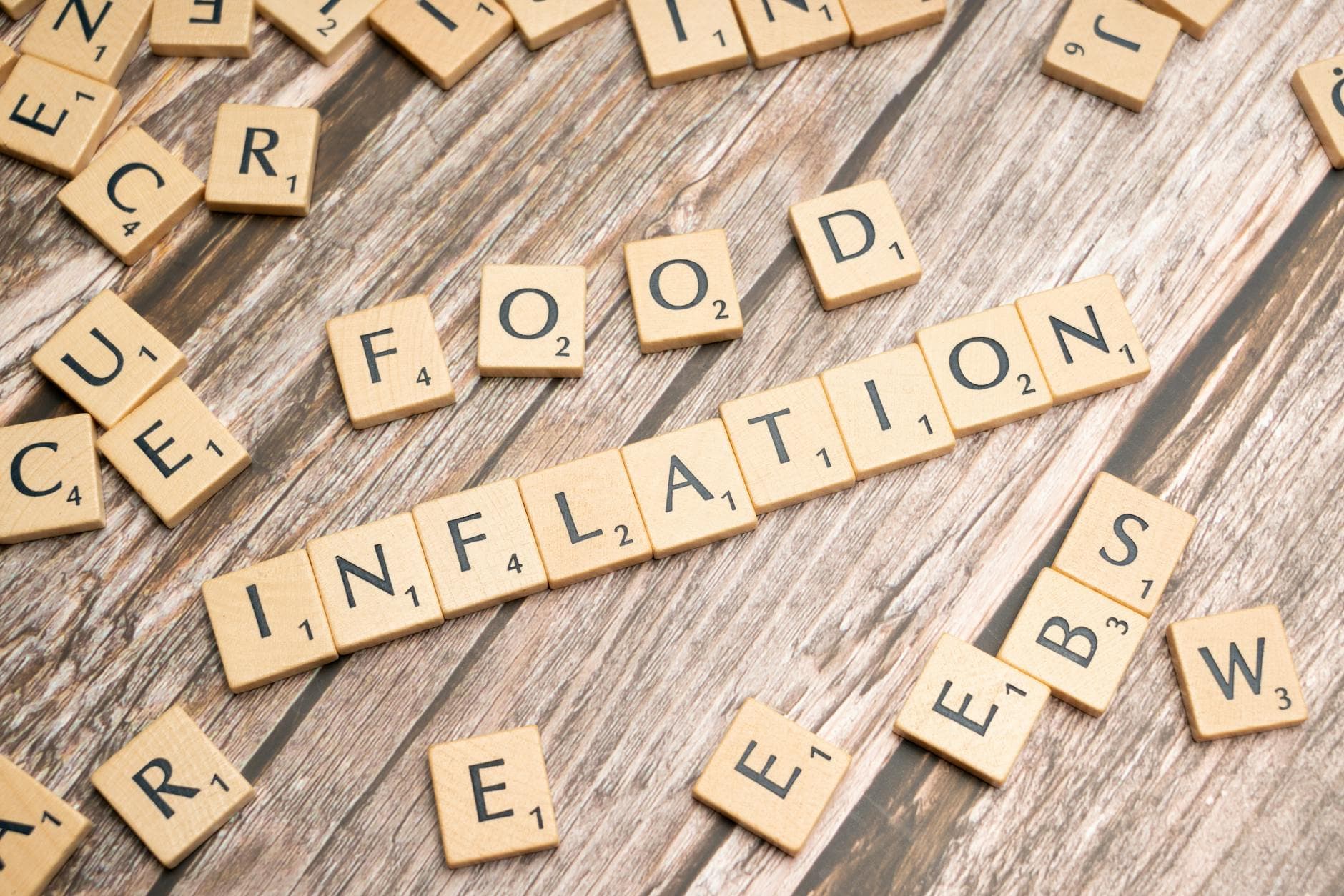 Photo: Photo by Markus Winkler on Pexels
UK hospitality is no stranger to pressure. But heading into 2026, the combination of regulatory cost increases, persistent energy inflation, a 20% VAT rate and squeezed consumer spending has created what many operators are calling an existential moment for the sector. UKHospitality estimates the industry is facing a cumulative cost increase of over £3.4 billion from April 2025 changes alone - and the full impact is still rolling through business accounts.
This guide breaks down exactly where those costs are coming from, how they differ across venue types, and - crucially - what you can do about them. Rather than a general overview of the problem, this is a practical, how-to resource for operators who need to act now.
The Scale of the Crisis: What the Numbers Say
The phrase 'cost crisis' gets used loosely, but the data for UK hospitality costs rising in 2026 is stark. According to the British Beer and Pub Association (BBPA), average pub running costs UK-wide have increased by more than 60% since 2019. Meanwhile, consumer price sensitivity means that many venues have only been able to pass on a fraction of those increases through menu pricing.
The result is a widening gap between input cost inflation and achievable menu price inflation - a gap that directly erodes profit margins. For a mid-sized restaurant turning over £800,000 per year, even a 2-percentage-point margin drop equates to £16,000 less profit annually. At current levels of cost inflation, many venues are seeing margin compression of 4-8 percentage points compared to 2022 baselines.
April 2026 Regulatory Changes: The Cost Timeline
Understanding when costs hit your accounts is the first step to planning around them. Here is the key timeline of regulatory changes affecting operational expenses for restaurants, pubs and hotels:
April 2025: Employer National Insurance contributions rose from 13.8% to 15%, and the secondary threshold was reduced from £9,100 to £5,000 per year.
April 2025: National Living Wage increased to £12.21 per hour for workers aged 21 and over, with the 18-20 rate rising sharply to £10.00.
April 2025: Business rates relief for hospitality in England reduced from 75% to 40%, raising fixed-cost bills overnight.
April 2026: National Living Wage is expected to increase again in line with the Government's target to reach two-thirds of median earnings.
Ongoing: Energy contract renewals continue at elevated rates, with gas and electricity costs for commercial kitchens remaining substantially above pre-2021 levels.
The challenge is not a single spike - it is compounding annual increases arriving simultaneously across multiple cost lines.
National Insurance and Minimum Wage: The Double Hit
For most hospitality businesses, labour is the largest single cost - typically 30-40% of turnover. The April 2025 NI changes and minimum wage increases have therefore had an outsized effect on the sector compared with industries that rely less on hourly-paid workers.
To put it in concrete terms: a pub employing 15 part-time staff on the National Living Wage, each working 20 hours per week, faces an additional annual employer NI liability of approximately £8,000-£12,000 from the threshold reduction alone - before factoring in wage uplifts. For small, independent venues already operating on margins of 5-10%, this is not an abstraction. It is the difference between viability and closure.
The Employment Allowance increase to £10,500 (from £5,000) does offset some of this for smaller businesses, but larger groups and multi-site operators see limited benefit.
Business Rates: Still a Structural Problem
The 75% business rates relief introduced post-pandemic was a lifeline for thousands of venues. Its reduction to 40% in April 2025 - and its uncertain future beyond 2026 - represents a significant and largely unplanned cost increase for many operators who had built their financial models around the relief continuing.
A restaurant with a rateable value of £60,000 that was previously paying approximately £15,600 per year (after 75% relief) is now paying around £35,100 (after 40% relief) - an increase of nearly £20,000 in a single financial year. UKHospitality has called for a permanent lower multiplier for hospitality properties, but as of mid-2026, no structural reform has been legislated.
VAT Hospitality Sector: The 20% Penalty on Recovery
The VAT hospitality sector debate has rumbled on since the temporary 5% reduced rate ended in April 2022. The core argument from operators is straightforward: a 20% VAT rate means that for every £10 meal sold, £1.67 goes directly to HMRC - making it structurally harder to compete with supermarkets (which charge 0% VAT on most food) and European hospitality venues operating under lower VAT regimes.
UKHospitality's modelling suggests that a permanent 12.5% VAT rate for hospitality would generate net economic benefits through job creation and increased consumer spend that would offset the revenue reduction to the Treasury. However, with public finances under pressure, a VAT cut remains politically difficult in 2026. Operators should plan on the basis that 20% VAT is here to stay for the foreseeable future, and factor this into pricing strategy accordingly.
Utilities and Supply Chain: Hidden Inflation Drivers
Energy costs for commercial hospitality operations remain a significant burden. A mid-sized restaurant kitchen running for 12 hours per day can consume 50,000-100,000 kWh of electricity per year. At current commercial tariff rates, this represents an annual energy bill of £12,000-£25,000 - approximately double pre-2021 costs.
Food input costs have also not returned to pre-inflation levels. While headline CPI has moderated, food-at-home prices remain elevated and hospitality-specific supply chains - particularly for proteins, dairy and fresh produce - have seen category-level inflation well above the headline rate. This is where supply chain renegotiation becomes a live cost-saving opportunity (see tactics below).
Sector by Sector: How Costs Differ Across Venue Types
Not all hospitality businesses are affected equally. Understanding where your venue sits in the cost landscape helps prioritise where to focus cost-reduction efforts.
Venue Type | Biggest Cost Driver | Typical Labour % of Revenue | Key Risk in 2026 |
|---|---|---|---|
Pub | Business rates + wage bill | 32-40% | Reduced trading hours viability |
Restaurant | Food cost + skilled labour | 35-45% | Menu price elasticity ceiling |
Hotel | Energy + housekeeping wages | 28-38% | F&B margin compression |
Cafe | Wage bill relative to revenue | 38-50% | Low average transaction value vs cost base |
How to Estimate Your Own Cost Exposure
Before choosing which tactics to deploy, run this quick cost exposure assessment for your venue. You do not need specialist software - a spreadsheet is sufficient.
Calculate your total annual wage bill. Multiply average hourly rate by total contracted hours across all staff. This is your baseline.
Apply the NI uplift. For each employee earning above £5,000 per year, calculate 15% of earnings above that threshold. Compare to what you paid at the old 13.8%/£9,100 threshold. The difference is your NI cost increase.
Calculate your business rates increase. Take your rateable value, apply the current multiplier (51.2p in England for 2025/26), subtract the 40% relief, and compare to what you paid under 75% relief.
Add your energy cost delta. Compare your current annual energy spend to 2021 spend (or use a benchmark of 1.8x as a proxy for most venues).
Sum all three figures. This is your approximate annual cost increase versus pre-crisis baseline. Express it as a percentage of your turnover to understand margin impact.
Run three scenarios: best case (costs stabilise from here), base case (one further wage increase in April 2026), worst case (energy costs rise 15% again). This becomes your financial forecasting framework.
10 Proven Tactics to Protect Your Margins
The following tactics are drawn from operators who have successfully adapted to the current cost environment. They are ordered from quickest to implement to longest lead time.
Menu engineering: Analyse gross profit by dish, not just selling price. Remove or reprice the bottom 20% of items by GP contribution. Even small menus with 30 items often hide 5-6 that are actively destroying margin.
Graduated price increases: Rather than a single large price rise (which triggers customer reaction), increase prices by 3-5% every six months. Customers adapt more readily to incremental changes.
Supplier renegotiation: Request itemised cost breakdowns from your top five suppliers. Ask specifically about volume discount thresholds, payment term discounts, and seasonal pricing. Target 3-7% savings. Even one renegotiated contract can save thousands annually.
Energy management: Install smart meters if you do not already have them. Shift dishwashing and other high-draw equipment to off-peak hours. Target a 10-15% reduction in energy consumption without capital expenditure.
Scheduling optimisation: Use scheduling software to match staffing levels precisely to covers and footfall patterns. Most venues operating on manual scheduling are overstaffed by 10-15% in shoulder periods. Eliminating unnecessary hours is the fastest labour cost lever.
Cross-training staff: Train kitchen staff to cover front-of-house tasks and vice versa during quiet periods. This reduces agency reliance - agency labour typically costs 25-35% more per hour than direct employment.
Trading hours review: Rather than across-the-board hours reductions, use your EPOS or booking data to identify genuinely unprofitable trading periods. Closing on Monday lunchtimes, for example, might save more in labour than it costs in lost revenue.
Waste reduction: Food waste typically represents 3-8% of a hospitality operation's food cost. Implement a simple daily waste log. Reducing waste by half can deliver a 1.5-4% improvement in food cost percentage.
Technology investment: Self-order kiosks, table QR ordering, and automated booking systems can each reduce front-of-house labour requirements by 0.5-1 full-time equivalent per shift, with typical payback periods of 12-18 months.
Revenue diversification within your existing footprint: Private dining, daytime cafe trading in pub spaces, function room hire, and cookery events all generate incremental revenue with minimal additional fixed cost. These are covered in depth in our companion article on pub revenue growth opportunities.
Pricing Strategy: Passing Costs On Without Losing Trade
The blunt approach - raising all prices by 10% at once - risks losing price-sensitive customers permanently. A more surgical approach works better in the current environment:
Identify your price anchors: These are the dishes or drinks customers use to judge your overall value. Protect these prices and take margin elsewhere.
Use psychological pricing: Moving from £12.00 to £13.50 feels larger than moving from £12.95 to £14.45, even though the absolute increase is the same. Reprice to price points that feel natural.
Add premium options: Introducing a higher-spec version of a popular dish at a 20-30% premium shifts the reference point and makes your standard offering feel better value.
Communicate openly: Customers who understand why prices have risen are more accepting. A brief, honest note on your menu or social channels - referencing wage increases or energy costs - generates more goodwill than silent increases.
Protect your loyalty base: Offer existing regulars early notice, a loyalty reward, or a value-focused set menu that gives them a reason to keep coming back despite higher a la carte prices.
Technology and Automation: The Cost-Saving Frontier
Technology adoption in UK hospitality has accelerated significantly since the pandemic, but many independent operators have yet to realise the full cost-saving potential. The key areas to explore in 2026 are:
Labour scheduling software: Tools that integrate with your EPOS to predict demand and schedule staff accordingly. These typically cost £50-£200 per month and pay back within 2-3 months for venues with 10+ staff.
Inventory management systems: Automated stock tracking reduces over-ordering, prevents waste, and flags supplier price changes in real time. Expect 2-5% food cost savings.
Energy monitoring platforms: Sub-metering systems that identify energy waste by equipment or time of day. Often available through your energy supplier or as standalone SaaS tools.
Table management and reservation software: Reduces no-show rates (typically 8-15% of bookings) through automated reminders and deposit capture, directly protecting revenue.
Payroll automation: Ensures accurate calculation of wages, NI and pension contributions, reducing errors and administrative time. Particularly important as NI rules change.
Government Support and Relief Schemes in 2026
Direct government support for hospitality has reduced significantly since the pandemic, but there are still meaningful schemes available that many operators are not claiming:
Discretionary rate relief: Local authorities have discretionary powers to grant additional business rates relief. Contact your local council directly - eligibility and generosity varies significantly by area.
Innovate UK grants: Available for businesses investing in technology solutions, including energy efficiency and automation. Applications are competitive but the funding (often 30-70% of project costs) is significant.
Devolved government schemes: Scotland's Small Business Bonus Scheme, Welsh Government hospitality support, and Invest NI programmes each offer support not available in England. Check your devolved government's business support portal.
Growth Hub funding: England's network of 38 Growth Hubs offers free business advice and can signpost to local grant programmes. Find your nearest hub at gov.uk.
Employment Allowance: Ensure you are claiming the full £10,500 Employment Allowance against your employer NI liability. Many small hospitality businesses are not claiming this correctly.
Regional Variation: Costs Are Not the Same Across the UK
One dimension that is often overlooked in national coverage of the cost crisis is regional variation. Pub running costs in London are materially different from those in rural Scotland, Wales, or Northern Ireland - not just in absolute terms, but in the relief and support available.
Rateable values in central London can be five to ten times higher than equivalent venues in northern England or Wales, meaning business rates increases hit London operators far harder in cash terms. Conversely, labour market conditions outside major cities sometimes mean lower effective wage costs above the legal minimum, as local market rates have not risen as steeply as in urban areas. Operators in devolved nations should make checking their devolved government's business support offerings a quarterly task, as schemes change frequently.
Financial Forecasting: Planning Beyond Survival
The businesses that will emerge strongest from the current cost environment are those that move from reactive to strategic. That means building a proper financial model - not just a monthly P&L review.
A basic scenario planning model for a hospitality venue should include: a 13-week rolling cash flow forecast; three cost scenarios (as described in the calculator section above); a break-even analysis updated monthly to reflect your current cost base; and a capital expenditure plan that weighs the cost-saving ROI of technology investments against the cost of borrowing or leasing.
If you do not have the in-house finance capability to build this, a qualified accountant with hospitality sector experience is a worthwhile investment. Many operators are paying more in avoidable costs than the annual fee of a good accountant. The Hospitality Sector Council and your trade association (UKHospitality, BBPA, or the British Institute of Innkeeping) can provide referrals to specialist advisors.
What to Do Right Now: A Prioritised Action Plan
With so many pressures to address, it helps to have a clear sequence. Here is a recommended priority order for operators facing cost inflation:
This week: Run the cost exposure assessment above. Understand your actual numbers before making any decisions.
This month: Review your menu engineering and identify your lowest GP-contribution items. Begin supplier renegotiation conversations.
Next quarter: Implement scheduling software if you do not already use it. Check Employment Allowance and local rate relief eligibility.
Six months: Build your 13-week cash flow model and three-scenario forecast. Evaluate technology investments with clear ROI timelines.
Ongoing: Monitor regulatory announcements (particularly the April 2026 minimum wage decision) and adjust your financial model as the picture evolves.
The UK hospitality cost crisis of 2026 is real and severe. But it is not uniform, and it is not entirely outside your control. The operators who are navigating it successfully share a common approach: they understand their numbers precisely, they act early rather than waiting for the situation to deteriorate, and they treat cost management as an ongoing discipline rather than a one-off exercise. That is the foundation on which viable, sustainable hospitality businesses are built.
Frequently asked questions
How much have UK hospitality costs increased in 2026?
Industry estimates suggest total operating costs for UK hospitality businesses have risen by 12-18% year-on-year heading into 2026, driven by compounding pressures including higher employer National Insurance contributions, a higher National Living Wage, reduced business rates relief, and persistent energy cost inflation. The exact figure varies significantly by venue type, region, and size.
What is the current VAT rate for the hospitality sector in the UK?
As of 2026, the standard VAT rate of 20% applies to food and drink served in hospitality settings. The temporary reduced rate of 5%, introduced during the COVID-19 pandemic, ended in April 2022. UKHospitality continues to lobby for a permanent reduced rate, arguing the 20% rate puts UK venues at a structural disadvantage compared to European competitors and supermarkets.
What government support is available to hospitality businesses in 2026?
Support available includes the Business Growth Fund, Innovate UK grants for technology adoption, devolved government schemes in Scotland, Wales and Northern Ireland, and local authority discretionary rate relief. The Hospitality Sector Council also provides guidance. However, direct grant funding has reduced significantly since the pandemic era, and businesses are encouraged to check gov.uk and their local council for current schemes.
How can pubs and restaurants protect their profit margins in 2026?
The most effective tactics include dynamic menu engineering to highlight high-margin items, graduated price increases to avoid sticker shock, renegotiating supplier contracts (targeting 3-7% savings), investing in scheduling software to eliminate labour waste, adopting energy management systems, and cross-training staff to reduce agency reliance. Venues that combine three or more of these strategies typically see margin improvements of 4-8 percentage points.
Are hospitality businesses in Scotland and Wales affected differently by cost increases?
Yes. Scotland, Wales and Northern Ireland each have devolved business rates systems with different relief schemes and thresholds. Scotland's Small Business Bonus Scheme offers more generous relief for smaller venues. Welsh Government has provided targeted hospitality rate relief in recent years. Northern Ireland operates under a separate valuation system. Operators should check with their respective devolved government or local council for region-specific support.