Understanding Hospitality Inventory Management in UK Restaurants and Hotels
Master hospitality inventory management with this complete UK guide - from stock control processes and cost reduction to software tools, FIFO, and seasonal planning for restaurants, pubs, and hotels.
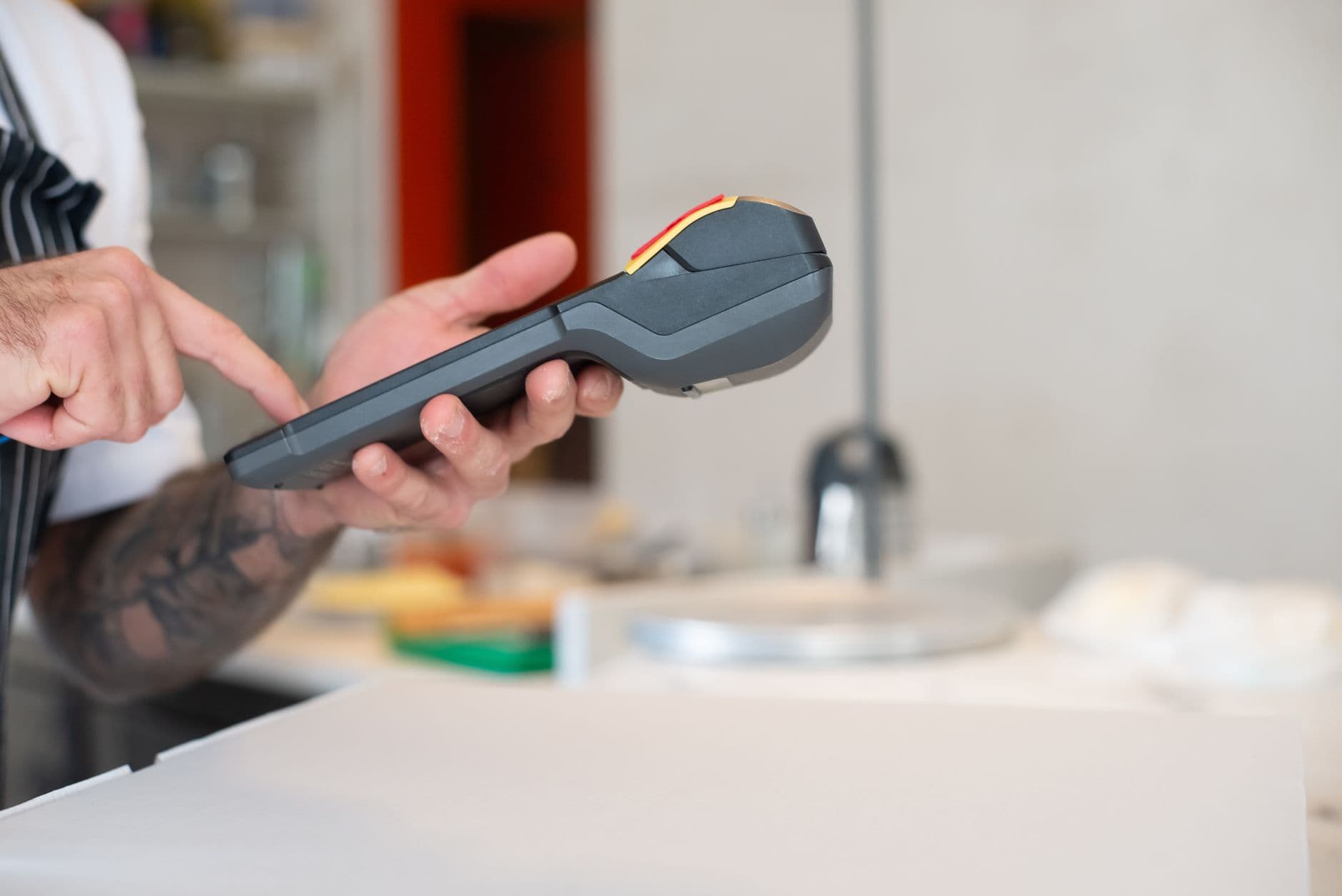 Photo: Photo by Kampus Production on Pexels
What Is Inventory Management in the Hospitality Industry?
Hospitality inventory management is the end-to-end process of tracking, ordering, storing, and controlling every item of stock your venue uses - from chicken thighs and cask ale to cleaning chemicals, crockery, and bed linen. It sounds straightforward, but in practice it sits at the intersection of food safety law, supplier relationships, staff behaviour, seasonal demand, and razor-thin profit margins.
Done well, inventory management is one of the most powerful levers a UK restaurant, pub, cafe, or hotel manager can pull to improve profitability without changing a single thing on the menu. Done poorly, it quietly drains thousands of pounds a year through waste, over-ordering, spoilage, and theft - often without anyone realising where the money is going.
This guide covers everything you need to build a robust hospitality inventory management system, whether you run a single independent restaurant in Leeds or a group of hotel properties across the UK.
Why Inventory Management Matters More Than Ever for UK Venues
UK hospitality businesses are operating in one of the most challenging cost environments in decades. Food and drink prices rose sharply following supply chain disruption, and energy, labour, and business rates costs remain elevated. Against this backdrop, the average UK restaurant operates on a net profit margin of just 3-9%, meaning even modest improvements in stock control can make a meaningful difference to the bottom line.
Research from WRAP (the Waste and Resources Action Programme) consistently shows that UK hospitality businesses waste around 1.1 million tonnes of food annually. A significant portion of that waste is preventable through better inventory practices. For an independent restaurant turning over £500,000 a year, reducing food waste by even 2% could recover £10,000 or more in previously lost margin.
Beyond cost, there are regulatory reasons to take hospitality inventory management seriously. The Food Safety Act 1990, FSA guidelines on date labelling, and HACCP principles all place legal obligations on businesses to manage perishable stock safely. Poor inventory control is not just a financial risk - it is a food safety risk that can affect your hygiene rating and, in serious cases, result in enforcement action.
The 5 Steps of Inventory Management
Regardless of whether you manage stock on a clipboard or through cloud-based software, the underlying process follows the same five steps. Getting these right is the foundation of everything else.
Audit your current stock - Count every item you currently hold, recording quantities, locations, and condition. This baseline figure is your starting point. For food and beverage businesses, this should ideally happen at the same time each week - before a delivery, when the kitchen is closed, or first thing in the morning.
Categorise your stock - Group items by type (food, beverage, dry goods, cleaning supplies), value, and perishability. High-value perishables like meat, fish, and fresh produce need the tightest monitoring. Dry goods and non-perishables can be checked less frequently.
Set par levels - A par level is the minimum quantity of each item you need on hand before you must reorder. Par levels should be calculated based on your average weekly usage plus a buffer to account for unexpected demand spikes or supplier delays. Reviewing and adjusting par levels seasonally is essential.
Place orders based on data - Order against your par levels and your upcoming demand forecast, not gut feel. Use historical sales data, booking numbers, and any planned events or promotions to inform order quantities. Build strong supplier relationships so you can adjust orders at short notice when needed.
Review and reconcile regularly - Compare your actual stock usage against what your sales data predicts you should have used. Any significant discrepancy - known as variance - points to waste, over-portioning, miscounting, or theft. Regular reviews make it possible to catch and fix these problems before they compound.
The 80/20 Rule in Hospitality Inventory
The 80/20 rule - formally known as the Pareto Principle - is one of the most useful frameworks in hospitality inventory management. It holds that approximately 80% of your revenue comes from 20% of your stock items. In a typical restaurant, this means a handful of best-selling dishes and drinks are generating the lion's share of turnover.
The practical implication is clear: focus your tightest inventory controls on that critical 20%. These are the items where a stockout costs you the most in lost sales, and where over-ordering is most wasteful. For most UK pubs, this might be your top four or five draught beers plus your three or four highest-selling food lines. For a hotel breakfast operation, it will be eggs, bread, bacon, and orange juice.
Using the 80/20 rule does not mean ignoring the other 80% of your stock - it means prioritising your time and attention. Small independent operators who cannot afford dedicated stock management staff will find this approach particularly helpful for deciding where to invest their limited checking time.
FIFO vs LIFO: What UK Restaurants and Pubs Actually Use
In UK food service, FIFO - First In, First Out - is not just best practice, it is effectively a legal requirement under food safety law. FIFO means that when new stock arrives, it is placed behind existing stock so that older items are always used first. This reduces the risk of items passing their use-by or best-before dates before they are consumed.
LIFO (Last In, First Out) - where the newest stock is used first - is not used in food service in the UK. Using LIFO with perishables would mean older stock sits at the back of shelving indefinitely, eventually spoiling. This creates food safety risks that could lead to failed Environmental Health inspections, a lower Food Hygiene Rating Scheme score (the 0-5 star rating displayed on venues), or in extreme cases, prosecution under the Food Safety Act 1990.
Implementing FIFO properly requires clear storage labelling, consistent training for all staff who handle deliveries, and regular checks by supervisors. Date labels should be applied to all decanted or prepared items. Walk-in fridges and dry stores should be organised so that FIFO rotation happens naturally, without staff needing to think about it.
Perishable Goods Management: A UK-Specific Challenge
Managing perishables is where hospitality inventory management becomes genuinely complex. Unlike a retailer selling tinned goods, a restaurant or pub kitchen is dealing with items that may have a shelf life measured in hours rather than months. Fresh fish delivered on a Tuesday morning may be unfit for service by Friday if not properly rotated and stored.
UK food businesses must comply with EU-derived food hygiene regulations retained in UK law - specifically Regulation (EC) 852/2004 as retained and amended. These require businesses to implement HACCP-based food safety management systems, which include controls for storage temperatures, stock rotation, and date labelling. Your inventory management processes must be consistent with your HACCP plan.
Practical steps for better perishable management include:
Ordering little and often rather than in large weekly batches for high-perishability items
Building relationships with local suppliers who can accommodate short-notice orders and smaller quantities
Using daily prep sheets that align production quantities with actual bookings and forecasted covers
Creating a daily or end-of-service waste log to track which items are being discarded and why
Engineering the menu to cross-utilise ingredients across multiple dishes, reducing the risk of single-use items spoiling
Seasonal Inventory Planning for UK Hospitality
UK hospitality is intensely seasonal, and inventory management must account for that. Failing to plan stock around predictable demand peaks is one of the most common and costly mistakes independent operators make.
Key seasonal planning moments for UK venues include:
Christmas and New Year - The single biggest revenue period for most UK hospitality businesses. Over-ordering on perishables in December is a common error. Plan pre-ordered party menus carefully so that ingredients are only ordered once confirmed booking numbers are known.
Summer tourism peaks - Coastal venues, rural pubs, and city-centre hotels can see covers double or triple in July and August. Build higher par levels and more frequent ordering schedules well in advance, and confirm supplier capacity for increased volumes before the season starts.
Bank holidays and sporting events - Major televised events (Six Nations, Wimbledon, Euro and World Cup tournaments) can dramatically increase beverage demand at short notice. Maintain a forward calendar of events and pre-agree flexibility with your drinks suppliers.
January slowdowns - Post-Christmas is typically the quietest period. Reduce par levels sharply and run down existing stock rather than ordering fresh. This is a good time to negotiate improved terms with suppliers for the year ahead.
Using at least 12 months of historical sales data to build a seasonal demand model is the most reliable way to plan. If you are a new venue without historical data, industry benchmarks from trade bodies such as UKHospitality can provide useful starting points.
Manual vs Automated Inventory: Cost-Benefit Analysis
One of the most common questions independent operators ask is whether the cost of inventory software is justified. The honest answer depends on your venue size, your current waste levels, and the time your team currently spends on manual stock counts.
Factor | Manual (Spreadsheets / Clipboards) | Automated (Inventory Software) |
|---|---|---|
Upfront cost | Low (near zero) | £30-£300+/month depending on system |
Time to count stock | High (2-4 hours per session) | Low (30-60 mins with barcode scanning) |
Accuracy | Prone to human error | High, especially with POS integration |
Reporting and insight | Limited, requires manual analysis | Automatic waste and variance reports |
Scalability | Poor for multi-location or high volume | Scales well across sites |
Best suited to | Very small venues, low SKU count | Any venue with 50+ stock items |
For a venue spending £5,000 per week on food and drink, reducing waste by just 3% saves £7,800 per year - far exceeding the annual cost of most mid-tier inventory software. The break-even point for most independent restaurants is typically reached within three to six months of implementation.
Software Solutions and POS Integration
The UK market offers a growing range of hospitality inventory management software, from entry-level tools to enterprise platforms. Popular options used by UK operators include MarketMan, Lightspeed, Trail, Unleashed, and the inventory modules built into EPOS Now and Square for Restaurants.
The single most valuable feature to look for is integration with your point-of-sale (POS) system. When your POS and inventory software talk to each other, every sale automatically deducts the relevant ingredients from your stock count. This gives you a real-time view of theoretical stock levels without anyone needing to count a thing - and it makes variance analysis (comparing theoretical to actual stock) far more accurate.
Common integration challenges to be aware of:
Recipe mapping - Every dish on your menu must be accurately mapped to its component ingredients in the inventory system. This one-time setup takes time but is the foundation of accurate depletion tracking.
Portion size consistency - Your theoretical usage will only match actual usage if kitchen staff are portioning accurately. Inventory software can highlight portioning issues through variance reports.
Accounting software links - Many inventory platforms integrate with Xero or Sage, automatically creating purchase orders and updating cost-of-goods-sold figures. This removes a significant manual bookkeeping burden.
Staff buy-in - Software is only as good as the data entered into it. If staff do not record waste, transfers, or spillage, your figures will be inaccurate. Change management is as important as the technology itself.
Supplier Relationships and Negotiation in the UK Market
Your suppliers are a critical part of your hospitality inventory management system - not just vendors, but partners. Building strong relationships with your key suppliers gives you access to better terms, greater flexibility, and early warning of supply issues that could affect your menu.
Practical negotiation tactics for UK hospitality operators:
Consolidate where possible - Ordering more lines from fewer suppliers gives you greater buying power and often better pricing. However, maintain at least one backup supplier for critical items to protect against stockouts.
Pay on time, always - In UK hospitality supply chains, a reputation as a reliable payer earns goodwill that translates to priority during shortages and willingness to accommodate short-notice changes.
Review pricing quarterly - Commodity prices for meat, dairy, and produce fluctuate significantly. Schedule quarterly pricing reviews with your main suppliers rather than accepting automatic price increases passively.
Use your data as leverage - Sharing your sales forecasts and ordering patterns with key suppliers helps them plan their own stock, and positions you as a preferred customer who is easy to serve.
Explore local and regional sourcing - Local produce suppliers often offer smaller minimum order quantities, fresher produce, and greater flexibility than national wholesalers - all significant advantages for perishable inventory management.
Staff Training and Change Management
Even the best hospitality inventory management system will fail if your team does not use it correctly. This is an area that most guides gloss over, but it is where many real-world implementations fall apart.
When introducing new inventory processes or software, consider the following:
Involve your team early - Chefs, bar managers, and kitchen porters who handle stock daily often have the best insight into where waste and errors actually occur. Including them in the setup process increases buy-in and surfaces practical issues before they become expensive habits.
Make the process simple - If counting stock or logging waste takes too long or requires too many steps, staff will find shortcuts. Design your process to be as quick and low-friction as possible.
Share the results - When staff can see that their accuracy in waste logging has helped reduce costs, or that the venue hit its food cost target for the month, it reinforces the value of what they are doing. Make inventory results visible, not just a management concern.
Build it into induction - New staff should learn your inventory procedures as part of their onboarding, alongside food safety and service standards. Treat it as a non-negotiable operational standard, not an optional extra.
UK Compliance: Food Safety, Hygiene Ratings, and Inventory
In England, Wales, and Northern Ireland, your Food Hygiene Rating from the Food Standards Agency (FSA) is publicly visible and increasingly influential on customer choice. Environmental Health Officers (EHOs) who conduct inspections assess not just kitchen cleanliness but the management systems behind it - and stock control is very much part of that picture.
Specifically, inspectors look for evidence that:
Date labels are applied correctly to all opened and prepared items
Stock is stored at correct temperatures and that fridge and freezer logs are maintained
FIFO rotation is visibly practised in storage areas
Out-of-date or damaged stock is clearly separated and disposed of promptly
Allergen information is accurately maintained and linked to current stock and recipe versions
A well-maintained inventory management system provides the documentation trail that supports a strong hygiene rating. Many EHOs respond positively to businesses that can demonstrate structured, systematic stock management - even if the physical environment is not perfect.
Multi-Location Inventory Management
For hospitality groups operating multiple sites - whether that is two pubs or twenty hotel properties - inventory management becomes a significantly more complex challenge. The risks of inconsistency multiply: each site may have different suppliers, different par levels, different staff behaviours, and different waste profiles.
Best practice for multi-site operators includes:
Centralised purchasing - Where possible, negotiate group supply agreements with shared terms, pricing, and delivery schedules. Even if operational ordering stays local, central purchasing gives you buying power and pricing consistency.
Standardised processes across sites - The same counting methodology, the same frequency, and the same software platform across all locations makes group-level reporting possible and meaningful.
Inter-site transfers - A cloud-based inventory system that allows stock transfers between locations prevents waste at one site while another runs short. This is particularly valuable for perishables around seasonal peaks.
Benchmarking between sites - Compare food cost percentages, waste rates, and variance figures across locations to identify your best-performing site and learn from what they are doing well.
Key Performance Indicators to Track
Effective hospitality inventory management is measurable. The following KPIs should be monitored regularly by any serious operator:
Food cost percentage - The cost of food sold as a percentage of food revenue. UK industry benchmark is typically 25-35% for restaurants, lower for high-volume operations.
Beverage cost percentage - Similarly, the cost of drinks sold as a percentage of beverage revenue. Typically 20-30% for most pub and bar operations.
Stock variance - The difference between theoretical and actual stock levels. A variance above 3-4% on any category warrants investigation.
Waste as a percentage of purchases - Track how much of what you buy ends up in the bin rather than on a plate. This figure should trend downward over time as your processes improve.
Stock days on hand - How many days your current stock would last at your average usage rate. Too high means cash is tied up in stock; too low means you risk stockouts.
Building a Culture of Inventory Accountability
The most successful hospitality businesses treat inventory management not as a back-office administrative task but as a core operational discipline that everyone in the venue shares responsibility for. From the head chef who signs off deliveries, to the bar team who log spirit usage, to the front-of-house manager who flags over-portioning of shared starters - inventory accuracy is a team sport.
Managers who make inventory performance visible - by sharing food cost results in team briefings, celebrating months when waste targets are hit, or recognising staff who identify discrepancies - build venues where stock control is a shared value rather than a management burden.
Combined with the right tools, the right processes, and a genuine understanding of the financial stakes, hospitality inventory management becomes one of the most reliable routes to sustainable profitability in a notoriously difficult industry. The venues that master it are consistently better placed to weather cost pressures, seasonal volatility, and competitive threats - and to deliver a consistent, high-quality experience to every guest who walks through the door.
Frequently asked questions
What is inventory management in the hospitality industry?
Inventory management in hospitality is the process of tracking, ordering, storing, and controlling all stock - from food and beverages to cleaning supplies and linen. It ensures venues have the right items available at the right time, minimises waste, controls costs, and supports compliance with UK food safety regulations. Effective inventory management directly impacts profitability and the consistency of the guest experience.
What is the 80/20 rule in inventory?
The 80/20 rule, or Pareto Principle, states that roughly 80% of your revenue typically comes from 20% of your stock items. In hospitality, this means a small number of dishes or drinks drive the majority of sales. By identifying and prioritising those high-value items - ensuring they are always in stock and tightly controlled - managers can focus their energy where it delivers the greatest financial return.
What are the 5 steps of inventory management?
The five steps are: (1) Audit your current stock by counting all items on hand; (2) Categorise stock by type, value, and perishability; (3) Set par levels - the minimum quantity needed before reordering; (4) Place orders with suppliers based on usage data and upcoming demand; and (5) Review regularly, comparing actual usage against expected consumption to identify waste, theft, or discrepancies.
Do restaurants use FIFO or LIFO?
UK restaurants use FIFO - First In, First Out - almost universally. This means older stock is always used before newer deliveries, which is essential for managing perishables safely. LIFO (Last In, First Out) is rarely used in food service as it risks leaving older stock unused until it spoils, creating food safety risks and potential breaches of FSA guidelines on date labelling and stock rotation.