Pub Licensing Laws UK: Best Practices for the Hospitality Industry
Master pub licensing laws UK with our practical guide covering applications, compliance, penalties, and regional differences - everything hospitality managers need to stay legal.
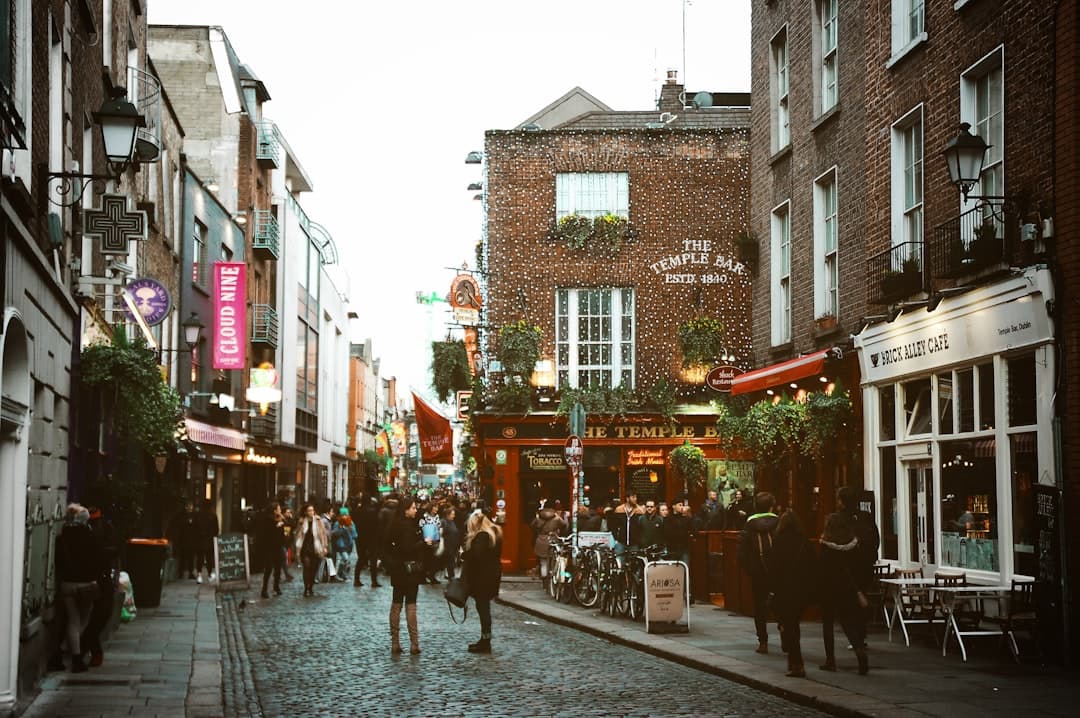 Photo: Photo by Diogo Palhais on Unsplash
Running a pub in the UK is one of the most rewarding - and most regulated - ventures in hospitality. Whether you are opening your first venue or managing a portfolio of sites, understanding pub licensing laws UK is not optional: it is the legal bedrock on which your entire operation rests. Get it wrong, and you risk enforcement action, fines, and closure. Get it right, and you build a resilient business that earns the trust of your local authority, your community, and your customers.
This guide goes beyond a basic overview. It covers the step-by-step application process, regional differences across the four nations, the most common reasons licences are refused or revoked, penalties for breaches, and how technology can help you stay compliant at scale. If you already have a licence, the post-licence maintenance section will help you protect it.
The Regulatory Framework: Licensing Act 2003 and the Four Objectives
In England and Wales, pub licensing laws UK are primarily governed by the Licensing Act 2003. This legislation consolidated a patchwork of older laws and created a single, unified framework for authorising the sale of alcohol, regulated entertainment, and late-night refreshment. Every decision made by a licensing authority - from granting a licence to imposing conditions or revoking permission - must be taken with reference to four core licensing objectives:
The prevention of crime and disorder
Public safety
The prevention of public nuisance
The protection of children from harm
These four objectives are not just bureaucratic boxes to tick. When your local licensing authority reviews your application, considers a complaint, or investigates a breach, everything is measured against them. Your operating schedule, your conditions, your staff training policy, and your age verification procedures should all be designed to demonstrably uphold these objectives.
Types of Licence You Need to Operate a Pub
A common misconception is that one licence covers everything. In reality, most pubs need at least two distinct authorisations working together.
Premises Licence
A premises licence is attached to a specific property and authorises that site to carry out licensable activities - most commonly the sale of alcohol by retail. It is not transferable to another address. The licence includes an operating schedule that sets out exactly what activities are permitted, during which hours, and under what conditions. It remains valid indefinitely unless it is surrendered, revoked, or lapsed - but it can accumulate conditions over time as a result of reviews.
Personal Licence
A personal licence is held by an individual and authorises that person to authorise the sale of alcohol at any premises that holds a premises licence. Every licensed premises must name a Designated Premises Supervisor (DPS) - a person who holds a personal licence and takes day-to-day responsibility for the sale of alcohol on site. To obtain a personal licence, an applicant must: be aged 18 or over; hold an accredited licensing qualification (such as an Award for Personal Licence Holders, APLH); pass a Disclosure and Barring Service (DBS) check; and apply to the local licensing authority.
Personal licences do not expire but must be renewed if the holder moves to a different licensing authority area, and they can be revoked following criminal convictions related to licensing offences.
Step-by-Step: How to Apply for a Premises Licence
Many operators underestimate the time and preparation involved in securing a premises licence. Here is a realistic timeline and cost breakdown for England and Wales.
Prepare your operating schedule - Detail every licensable activity you wish to carry out, the hours you want to trade, and the steps you will take to uphold the four licensing objectives. This is the most important document in your application; vague or inadequate schedules are a leading cause of objections.
Obtain a plan of the premises - You need a scaled floor plan showing the layout of the building, including entrances, exits, and the areas where licensable activities will take place.
Submit your application to the licensing authority - Applications are made to the local council (district or unitary authority). The fee is based on the rateable value of the property, ranging from £100 for the lowest band to £1,905 for the highest. There is also an annual maintenance fee at the same rate.
Advertise the application - You must display a blue notice at the premises for 28 consecutive days and publish a notice in a local newspaper within 10 working days of submitting your application.
Notify responsible authorities - You must serve copies of your application on all responsible authorities, including the police, fire authority, environmental health, trading standards, and the local planning authority.
Wait for the consultation period - The 28-day consultation window allows responsible authorities and local residents to make representations. If no representations are received, the licence is normally granted automatically.
Attend a hearing if required - If representations are received, the licensing authority will hold a hearing. You will have the opportunity to respond to objections and make your case. Allow 20 working days from the end of the consultation period for the hearing to be scheduled.
Receive your decision - The authority must communicate its decision within five working days of the hearing. If granted, your licence will be issued with any conditions the authority has imposed.
In total, from submission to licence in hand, budget at least 8-10 weeks for an uncontested application and 14-20 weeks if a hearing is required. Building this timeline into your pre-opening plan is essential.
Age Restrictions and Challenge Policies
It is illegal to sell alcohol to anyone under the age of 18 in the UK, and it is also illegal for a person under 18 to buy, or attempt to buy, alcohol. As a licence holder, you are responsible for ensuring your staff do not make illegal sales. The consequences of a failed test purchase are severe - they can result in licence reviews and, ultimately, revocation.
Best practice is to implement a formal Challenge 25 policy, whereby staff request proof of age from any customer who appears to be under 25. Accepted forms of ID include a passport, a driving licence with photograph, or a PASS-accredited proof of age card. Your policy should be documented, displayed at the point of sale, and included in staff induction training. Keeping a log of refused sales - date, time, and reason - provides strong evidence of due diligence if you are ever investigated.
Trading Hours, Late-Night Levies, and 24-Hour Licensing
Unlike the old licensing laws which set a universal 11pm closing time, the Licensing Act 2003 allows licensing authorities to grant whatever hours are appropriate for a given venue and location - up to and including 24-hour trading. However, this flexibility comes with scrutiny. Applications for extended hours, particularly past midnight, are more likely to attract representations from the police and environmental health on grounds of public nuisance and crime prevention.
Some local authorities operate cumulative impact policies (CIPs) or special policy areas in zones where there is already a high concentration of licensed premises. In these areas, applications for new licences or extended hours face a rebuttable presumption of refusal - meaning you must provide positive evidence that your premises will not add to existing problems.
Since 2012, licensing authorities have also had the power to impose a Late Night Levy on premises licensed to sell alcohol between midnight and 6am. The levy - which varies by rateable value band - is designed to contribute to policing costs in the night-time economy. Check whether your local authority operates a levy before budgeting for late-night trading.
Regional Differences: England, Scotland, Wales, and Northern Ireland
One of the most significant gaps in competitor content is the failure to explain that pub licensing laws UK are not uniform across all four nations. If you operate - or plan to operate - premises outside England and Wales, the rules change considerably.
Nation | Governing Legislation | Key Differences |
|---|---|---|
England | Licensing Act 2003 | Premises and personal licences; DPS required; local authority decisions |
Wales | Licensing Act 2003 | Same framework as England; Welsh Government has some devolved powers over licensing policy |
Scotland | Licensing (Scotland) Act 2005 | Licensing Boards (not councils) grant licences; premises manager must hold a personal licence; mandatory overprovision assessment; alcohol focus statement required |
Northern Ireland | Licensing (Northern Ireland) Order 1996 | Court-based system (magistrates' courts grant licences); stricter Sunday trading restrictions; different categories of licence (tavern, hotel, off-licence) |
In Scotland, licensing boards must also carry out an overprovision assessment, considering whether granting a new licence would result in too many licensed premises in a given area - a test that does not apply in England and Wales in the same way. For multi-site operators expanding into Scotland or Northern Ireland, engaging a local licensing solicitor is strongly recommended.
Common Reasons Licences Are Refused or Revoked
Understanding why applications fail - and why existing licences are revoked - is arguably more valuable than understanding how to apply. The most common grounds for refusal or revocation include:
Inadequate operating schedule - Failing to demonstrate concrete, specific measures to uphold the licensing objectives. Vague commitments like 'we will operate responsibly' carry no weight.
Location within a cumulative impact or saturation zone - If the licensing authority has already designated your area as having too many licensed premises, you face a steep uphill battle.
Failed test purchases - An underage sale recorded during a police test purchase operation is one of the fastest routes to a licence review.
Persistent noise or nuisance complaints - Repeated complaints from residents or environmental health about noise, litter, or anti-social behaviour can trigger a review.
Drug use or criminal activity on the premises - Police evidence of drug dealing, violence, or serious disorder on site is grounds for immediate review and potential revocation.
Failure to notify the DPS change - If your Designated Premises Supervisor leaves and you fail to appoint a replacement or notify the licensing authority, you may be in breach.
Non-compliance with licence conditions - Breaching a condition on your licence - even a minor one - can result in a review, a modification of conditions, or suspension.
A licence review can be triggered by any responsible authority or by ten or more local residents. The outcome of a review can range from the modification of conditions to a suspension of up to three months, or full revocation. Once revoked, a premises licence cannot be reinstated - a new application must be made from scratch.
Post-Licence Compliance: Renewals, Records, and Staff Training
Winning your licence is only the beginning. The ongoing compliance obligations that follow are just as important - and just as frequently overlooked.
Annual Licence Fee
Unlike a personal licence, a premises licence requires an annual maintenance fee paid to the licensing authority. If you miss this payment, your licence will lapse. Set a recurring reminder in your calendar at least 30 days before the anniversary of your licence grant date.
DPS Notifications
Any change of Designated Premises Supervisor must be notified to the licensing authority within 14 days. The notification must be accompanied by the new DPS's personal licence. During any gap where a DPS is not named, you may not lawfully sell alcohol.
Staff Training and Record-Keeping
While the Licensing Act 2003 does not mandate a specific staff training qualification (unlike Scotland, where the Licensing (Scotland) Act 2005 requires premises managers to hold a personal licence), English and Welsh licensing authorities and courts look very favourably on documented training programmes. Your records should include:
Induction training records signed by each staff member, including date and content covered
Refresher training logs (at least annually)
Records of refused sales - date, time, and reason
Incident logs covering any security or disorder events
CCTV maintenance records if CCTV is a condition of your licence
These records serve a dual purpose: they demonstrate due diligence if you are investigated, and they help you identify and address weaknesses in your team's knowledge before they become a problem.
Penalties and Enforcement Actions for Breaches
The penalties for breaching pub licensing laws UK are significant and should not be underestimated. The key criminal offences and their consequences include:
Offence | Maximum Penalty |
|---|---|
Selling alcohol without a licence | 6 months imprisonment and/or unlimited fine |
Selling alcohol to a person under 18 | Unlimited fine (summary conviction) |
Allowing disorderly conduct on licensed premises | Up to £1,000 fine |
Selling alcohol outside permitted hours | Unlimited fine |
Failure to display licence summary | Up to £500 fine |
Breach of a licence condition | Unlimited fine and potential licence review |
Beyond criminal penalties, Trading Standards and police can issue Closure Notices for up to 24 hours (extendable to 48 hours) for premises associated with disorder or nuisance. A Closure Order, granted by a magistrates' court, can shut a venue for up to three months. These powers were strengthened by the Anti-social Behaviour, Crime and Policing Act 2014, giving enforcement authorities faster tools to act against problem premises.
Managing Multiple Premises Across Regions
For multi-site operators, the complexity of compliance multiplies. Each premises licence is held separately by the relevant local licensing authority. This means different conditions, different annual fee deadlines, potentially different hours, and different responsible authority contacts at each site. If you operate across England and Scotland, you are working under two entirely different legislative frameworks simultaneously.
Best practices for multi-site compliance management include: maintaining a central licence register that records the licence number, DPS name, expiry of annual fee, and key conditions for every site; assigning a compliance lead at each site who is responsible for day-to-day adherence; and scheduling a quarterly licence audit to check conditions, training records, and incident logs.
Technology Solutions for Licence Management
One area where the hospitality industry is rapidly evolving is the use of digital tools to manage licensing compliance. Manual spreadsheets and paper-based filing systems are a liability when you are managing a large team or multiple sites. Modern hospitality management platforms - including tools like Paddl - can help by centralising your compliance documentation, automating renewal reminders, tracking staff training completion, and storing incident logs in a searchable, auditable format.
Digital training delivery is particularly valuable for demonstrating due diligence. When a staff member completes an induction module on Challenge 25 or responsible alcohol service, the completion record is timestamped automatically - far more reliable than a paper sign-off sheet. In the event of an investigation or licence review, being able to produce a clear digital audit trail can be the difference between a warning and a prosecution.
Impact of Recent Legislative Changes (2024-2025)
The licensing landscape is not static. In 2024 and 2025, several developments are affecting licensed premises in the UK. The Home Office has continued to push for strengthened powers to deal with problem premises, including proposals to make it easier for licensing authorities to review licences without waiting for a formal application. There have also been ongoing discussions about modernising the Licensing Act 2003 to reflect changes in how people consume entertainment and drink - including the growth of delivery alcohol services, which have their own licensing considerations.
In Scotland, the Licensing (Scotland) Act 2005 has been subject to review, with the Scottish Government evaluating the impact of minimum unit pricing on licensed trade - a policy that has already been in force since 2018 and set at 65 pence per unit from 2024. Wales has been following Scotland's lead and has been exploring its own minimum unit pricing legislation. Operators in these jurisdictions should monitor Government consultations closely.
Building a Compliance-First Culture
Ultimately, the most effective protection for your licence is a culture of compliance embedded at every level of your team. This means more than laminating a policy and putting it on the wall. It means your door staff, bar staff, supervisors, and managers all understand why the rules exist, what happens when they are broken, and what their individual responsibilities are.
Regular briefings, mystery shopper exercises, visible management engagement, and honest post-incident reviews are all part of building a team that protects your licence as much as you do. When your licensing authority or police liaison officer visits, you want them to see a well-run, well-documented operation that takes its obligations seriously - not a reactive business scrambling to catch up.
Navigating pub licensing laws UK is complex, but it is entirely manageable with the right processes in place. Whether you are applying for your first premises licence or reviewing your compliance framework across a regional estate, investing time in getting this right is one of the best decisions you can make for the long-term health of your business.
Frequently asked questions
What are the licensing laws for pubs?
In England and Wales, pubs are governed by the Licensing Act 2003, which requires a premises licence for the sale of alcohol and a Designated Premises Supervisor who holds a personal licence. The law sets out four licensing objectives - preventing crime and disorder, public safety, preventing nuisance, and protecting children - which underpin all licensing decisions. Scotland and Northern Ireland operate under separate legislation with different application processes.
Is it illegal to run a pub without a licence?
Yes. Selling alcohol without a premises licence is a criminal offence under the Licensing Act 2003. The maximum penalty is six months imprisonment and an unlimited fine. Even if you hold a personal licence, you cannot legally sell alcohol at premises that do not hold a valid premises licence. There are very limited exceptions, such as certain private events, but these do not apply to commercial pub operations.
What are the four licensing laws?
This question typically refers to the four licensing objectives under the Licensing Act 2003, not four separate laws. The objectives are: the prevention of crime and disorder; public safety; the prevention of public nuisance; and the protection of children from harm. Every licensing decision - from granting a new licence to revoking an existing one - must be made with reference to these four objectives.
How can a pub lose its licence in the UK?
A pub can lose its licence through a formal review process triggered by a responsible authority (such as the police or environmental health) or by ten or more local residents. Common grounds for revocation include persistent underage sales, drug use or serious disorder on the premises, repeated noise or nuisance complaints, and non-compliance with licence conditions. Once revoked, a licence cannot be reinstated - the operator must apply for an entirely new premises licence.