Simpler Recycling April 2026: What UK Hospitality Businesses Need to Know
The Simpler Recycling rules arrive in April 2026. Here is exactly what restaurants, pubs, cafes and hotels must do to comply - and avoid penalties.
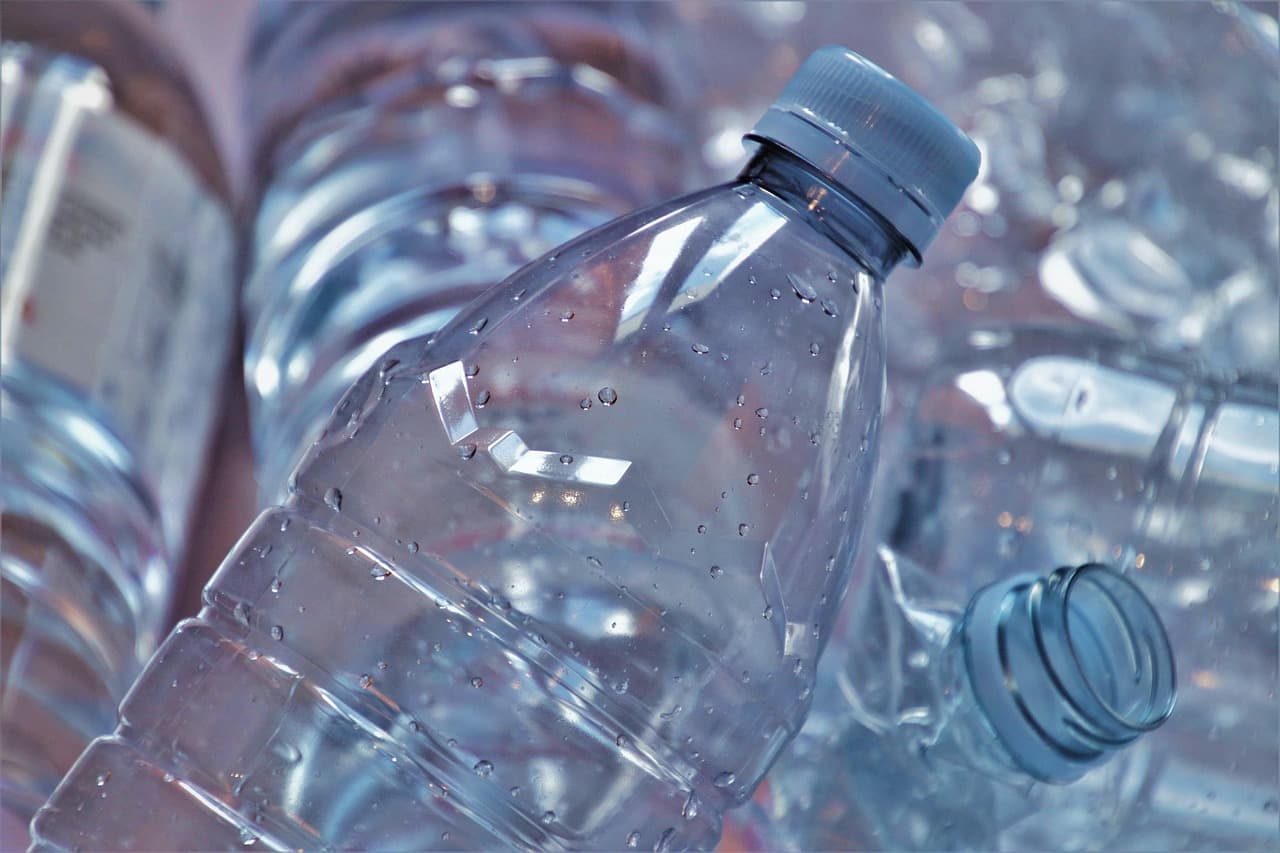 Photo: Image by pasja1000 on Pixabay
A significant regulatory change is heading towards the UK hospitality sector, and the clock is ticking. From April 2026, Simpler Recycling rules will apply to all businesses in England - including every restaurant, pub, cafe, hotel and catering operation, regardless of size. If you have not already started preparing, now is the time.
This guide breaks down exactly what the legislation requires, what it means specifically for hospitality businesses, the penalties for non-compliance, the cost implications, and a practical step-by-step action plan to get your operation ready.
What is the Simpler Recycling Legislation?
Simpler Recycling is a set of reforms introduced by the UK Government through amendments to the Environmental Permitting (England and Wales) Regulations, underpinned by the Environment Act 2021. The policy is led by the Department for Environment, Food and Rural Affairs (DEFRA) and enforced through local waste collection authorities and the Environment Agency.
The aim is straightforward: standardise recycling collection across England so that the same materials are collected everywhere, reduce confusion among businesses and households, and significantly increase national recycling rates. Currently, recycling systems vary enormously from one local authority to the next, creating inconsistency and higher contamination rates. Simpler Recycling fixes that with a mandatory national framework.
For non-domestic premises - which includes all hospitality businesses - the rules require separate presentation of specified recyclable materials at the point of collection. Mixing recyclables with general waste, or mixing different recyclable streams together in an unseparated bin, will no longer be acceptable.
Implementation Timeline: Key Dates for Hospitality
The rollout of Simpler Recycling rules has been phased to give businesses time to adapt. Here is the timeline you need to know:
March 2025: Rules already applied to businesses with 10 or more employees. If your hospitality business employs 10 or more staff, you are already legally required to be separating recyclables. If you have not acted yet, address this immediately.
April 2026: Rules extend to ALL businesses and non-domestic premises, including micro-businesses and sole traders with fewer than 10 employees. This is the key deadline for smaller hospitality operators.
April 2026 onwards: Waste collection authorities in England become obligated to collect the separated streams from non-domestic premises. If your current contractor is not offering compliant collections, they will need to be replaced or updated.
Note that food waste collection requirements for smaller businesses are being implemented alongside the April 2026 deadline. If you operate a small cafe or pub and have not yet arranged food waste collection, this must be in place by April 2026.
What Materials Must Be Separated?
Under Simpler Recycling rules, businesses in England must present the following material streams separately for collection:
Plastic - bottles, packaging, containers and film where accepted
Paper and card - cardboard, paper packaging, printed materials
Glass - bottles and jars (particularly relevant for pubs, restaurants and hotels)
Metal - tins, cans, aluminium foil and trays
Food waste - all food scraps separated from other waste streams
Garden waste - where applicable to premises with outdoor areas
General residual waste - what remains after all the above have been removed
Critically, these streams must be kept separate at the point of collection. You cannot use a single 'dry mixed recycling' bin and mix all recyclables together unless your waste contractor uses a permitted co-mingled system approved under the regulations. For most hospitality operators, this means multiple clearly labelled bins or containers in both back-of-house and, where appropriate, customer-facing areas.
How the Rules Affect Restaurants, Pubs, Cafes and Hotels
The hospitality sector faces a more complex compliance challenge than most other business types, because the volume and variety of waste generated is exceptionally high. Here is how the rules play out across different hospitality formats:
Restaurants and Cafes
Food waste is typically the highest-volume stream for restaurants and cafes, and it must now be separated into dedicated food waste bins lined with compostable bags. Kitchen teams will need to maintain separate containers for food scraps during service, then transfer these to external food waste bins for collection. Cardboard from deliveries, glass bottles, metal cans and plastic packaging from the kitchen all require their own separate streams.
Pubs and Bars
Glass is the dominant waste stream for pubs and bars - many already have glass recycling arrangements in place, but under Simpler Recycling these must be formalised and documented. Mixed glass, cardboard from packaging, plastic bottles and food waste from kitchen and bar snack operations all need separate streams. High-volume glass waste in particular means pubs may need more frequent collections or larger external glass bins.
Hotels
Hotels face the most complex challenge because waste is generated across multiple departments - kitchens, restaurants, bars, housekeeping, conferencing and offices - each producing different waste streams. Bedroom bins, corridor waste points and guest-accessible areas all need to be re-configured to enable separation. Hotels will also need to consider guest communication, signage and staff training across all departments.
Cost Implications and Financial Planning
Compliance with Simpler Recycling rules is not cost-neutral. Hospitality businesses should budget for the following:
Additional bins and containers - multiple streams mean more physical infrastructure, both internally and externally. A typical restaurant may need to purchase four to six additional bins.
Updated waste collection contracts - your current contractor may charge more for multiple separate collections, or you may need to switch providers. Request revised quotes now, before the April 2026 deadline drives up demand.
Compostable liners for food waste bins - required for most food waste collection systems and represent an ongoing consumable cost.
Staff training time - factoring in team briefings, updated procedures and ongoing supervision, particularly for new starters.
Potential storage modifications - back-of-house areas may need to be reorganised to accommodate additional bins without creating health and safety hazards.
On the positive side, separating food waste effectively can reduce general waste volumes, which in turn may lower the cost of general waste collections. Some businesses find that total waste management costs remain broadly similar once contracts are renegotiated - but this requires proactive planning, not a last-minute scramble.
Penalties and Enforcement: What Happens If You Don't Comply?
Non-compliance with Simpler Recycling rules is a serious matter. Enforcement is primarily the responsibility of local waste collection authorities, supported by the Environment Agency. The key enforcement mechanisms are:
Fixed Penalty Notices (FPNs) - local authorities can issue FPNs to businesses that fail to separate waste correctly. Fines typically start at several hundred pounds and can escalate for repeat offences.
Refusal of collection - waste contractors and local authorities may refuse to collect unseparated waste, leaving your bins unemptied and creating practical operational problems.
Compliance notices - formal notices requiring a business to take specified corrective action within a set timeframe.
Prosecution - persistent non-compliance can escalate to criminal prosecution under environmental legislation, with potentially unlimited fines.
Beyond financial penalties, non-compliance also creates reputational risk. Environmental credentials are increasingly important to customers, particularly in the food and hospitality sector where sustainability is a growing purchasing factor. A business publicly cited for failing basic recycling obligations risks damage to its brand at a time when consumer expectations around environmental responsibility are higher than ever.
Practical Logistics: Storage Space and Collection Frequency
One of the most underestimated challenges of Simpler Recycling compliance for hospitality businesses is the physical logistics. Back-of-house areas in restaurants and pub kitchens are often tight, and fitting in multiple separate bins for different streams requires careful planning.
Here is a practical approach to managing the space challenge:
Audit your current waste output - spend two weeks tracking exactly what types of waste your operation generates and in what volumes. This tells you which streams need the most capacity.
Map your available space - identify where internal bins can be placed for each stream during service, and where external bins can be located for overnight storage and collection.
Invest in stackable or slim-profile bins - purpose-designed recycling bin systems can significantly reduce the footprint of a multi-stream setup. Look for commercial catering bin systems rather than domestic products.
Negotiate collection frequency - if space for external bins is limited, arrange more frequent collections rather than larger bins. Your waste contractor should be able to flex schedules based on your needs.
Plan external storage carefully - external bin areas must be secure, covered where possible, and accessible for collection vehicles. Check that your current bin store can accommodate additional bins before committing to a new waste contract.
Staff Training and Operational Changes
Recycling compliance is only as good as the team implementing it. In a busy hospitality environment - where kitchen staff are under time pressure during service and front-of-house teams are focused on customers - waste separation can easily slip without proper training and systems.
Key steps to embed the changes operationally:
Brief all staff before April 2026 - hold a team meeting to explain the new rules, why they matter and what the consequences of non-compliance are. Include this in induction for all new starters.
Use clear visual signage - label all bins with colour-coded lids and clear text or pictograms. Laminated signs above or on bins showing what goes in each one significantly reduce contamination.
Assign a waste champion - nominate a team member (typically a senior kitchen porter, sous chef or operations supervisor) to take ownership of recycling compliance, conduct daily checks and flag issues.
Update your cleaning and close-down checklists - include bin checks and waste separation verification as part of end-of-shift procedures.
Review supplier deliveries - ask suppliers to minimise non-recyclable packaging and ensure delivery packaging (cardboard boxes, plastic wrapping, polystyrene) is going into the correct streams.
How England Compares with Scotland, Wales and Northern Ireland
If you operate hospitality businesses across more than one UK nation, you need to be aware that recycling regulations differ. England is the last of the four nations to implement comprehensive mandatory business recycling separation rules.
Nation | Key Legislation | Business Recycling Rules | Food Waste Separation |
|---|---|---|---|
England | Environment Act 2021 / Simpler Recycling | Mandatory from April 2026 (all businesses) | Mandatory from April 2026 for smaller businesses |
Wales | Waste (Wales) Measure 2010 | Mandatory separate collection in place since 2014 | Already required for most businesses |
Scotland | Waste (Scotland) Regulations 2012 | Mandatory source separation since 2014 | Food waste separation required since 2016 |
Northern Ireland | Waste and Contaminated Land (NI) Order 1997 and updates | Guidance-based; mandatory rules under development | Not yet mandated; separate guidance applies |
If your business operates in Wales or Scotland, you have likely already been dealing with mandatory separation requirements for some years. England's Simpler Recycling framework is explicitly designed to bring England into line with the approach taken in these nations. Businesses with cross-border operations can use their Wales or Scotland sites as a practical blueprint for implementing English compliance.
Updating Your Waste Management Contracts
Your existing waste management contract almost certainly needs reviewing ahead of April 2026. Many contracts written before the Simpler Recycling legislation was confirmed will not automatically include compliant multi-stream collections. Here is how to approach the process:
Check your contract renewal date - if your current contract runs past April 2026, you may need to renegotiate early or add a supplementary service agreement for additional streams.
Confirm which streams your contractor will collect - ask in writing whether they will separately collect plastic, paper and card, glass, metal, food waste and residual waste. If not, find a contractor who can.
Get at least three quotes - the market for compliant business waste collection is changing rapidly. Shopping around before the April 2026 rush will secure better pricing.
Ensure your contractor provides documentation - you will want collection records and weight data for each stream in case of an inspection or audit. This is good practice even if not formally required.
Technology and Monitoring Solutions
For larger hospitality groups and multi-site operators, technology is increasingly being used to manage and monitor waste compliance. Options worth exploring include:
Waste tracking software - platforms such as Winnow (designed specifically for hospitality food waste) or more general waste management platforms allow you to log waste by stream, track volumes over time and identify where contamination is occurring.
Smart bin sensors - sensor-fitted bins alert staff when a bin is approaching capacity, preventing overflow and encouraging timely emptying. These are particularly useful for food waste bins in busy kitchens.
Digital compliance dashboards - operations management platforms can incorporate waste compliance checklists alongside other daily compliance tasks such as temperature checks and cleaning schedules, creating a single record for inspections.
Contractor portals - many waste management companies now offer online portals where you can view your collection history, request additional collections and download compliance reports.
For smaller independent hospitality businesses, technology does not need to be complex. A simple paper-based or spreadsheet log of daily bin checks, signed off by the waste champion, is a credible record of compliance efforts if an inspector ever calls.
How to Prepare Your Business: A Step-by-Step Action Plan
With April 2026 approaching, here is a practical action plan to get your hospitality business compliant:
Check your size threshold now - if you have 10 or more employees, the March 2025 deadline has already passed and you need to act immediately. If you have fewer than 10 employees, April 2026 is your deadline but starting early reduces risk and pressure.
Conduct a waste audit - spend one to two weeks categorising all waste produced across your operation. Identify volumes by stream to plan the bin infrastructure you need.
Review and update your waste contract - contact your current provider and confirm their plans for Simpler Recycling-compliant collection. Get quotes from competitors if needed.
Purchase the necessary bins and equipment - order internal bins for each waste stream plus external bins for collection. Colour-code and label everything clearly.
Reorganise your back-of-house waste area - ensure bins are accessible, safe and located where staff naturally dispose of waste during service.
Train all staff - brief the full team, update induction materials, create bin guides and signage. Nominate a waste champion to maintain standards.
Update your cleaning and compliance checklists - incorporate bin checks, contamination monitoring and waste log completion into daily routines.
Review after 30 days - once your new systems are live, conduct a 30-day review to identify what is working, where contamination is still occurring and what needs further adjustment.
The Bottom Line for Hospitality Operators
Simpler Recycling rules represent a genuine compliance obligation with real penalties for non-compliance - not a voluntary aspiration. For a sector already navigating rising costs, labour pressures and regulatory demands, adding a new waste management framework to the to-do list is unwelcome but unavoidable.
The businesses that will manage this most smoothly are those that start early, approach it systematically and involve their teams properly. The businesses that will struggle are those that leave it until March 2026 and find themselves competing for waste contractor capacity at peak demand.
Start your waste audit this week. Review your waste contract this month. Have your systems in place well before April 2026. That is the straightforward formula for Simpler Recycling compliance in UK hospitality.
Frequently asked questions
What is the new simpler recycling law?
The Simpler Recycling legislation is an amendment to the Environmental Permitting (England and Wales) Regulations that requires all businesses and non-domestic premises in England to separate recyclable materials - including plastic, paper, card, glass, metal and food waste - from general waste. From April 2026, this applies to all businesses regardless of size, with the goal of standardising recycling across the country and boosting recycling rates.
What are the 5 rules of recycling?
While there is no single official '5 rules' framework, the core principles are: separate your recyclables from general waste; keep different materials in dedicated streams (e.g. glass separate from paper); ensure materials are clean enough to be processed; follow your local authority or waste contractor's guidance on accepted materials; and arrange regular collections to avoid contamination and overflow.
What is the 4 bin rule?
The '4 bin rule' refers to a common waste separation model used by many UK councils and businesses, typically covering general waste, dry mixed recyclables, food waste and garden waste. Under Simpler Recycling, businesses in England will need to go further by separately presenting specific materials including plastic, paper and card, glass and metal, rather than mixing them into a single recycling bin.
Which bin does poo go in?
Human waste should go via the sewage system - never in any recycling or general waste bin. For hospitality businesses, animal waste (such as from guide dogs or service animals) and nappy waste from customer facilities should be disposed of in general waste bins lined with suitable bags. Always follow your local authority's guidance and any relevant health and safety regulations for your premises type.