Fridge Temperature: What Every Hospitality Manager Needs to Know
Get fridge temperature right in your commercial kitchen. From FSA compliance to troubleshooting and staff training - your practical UK hospitality guide.
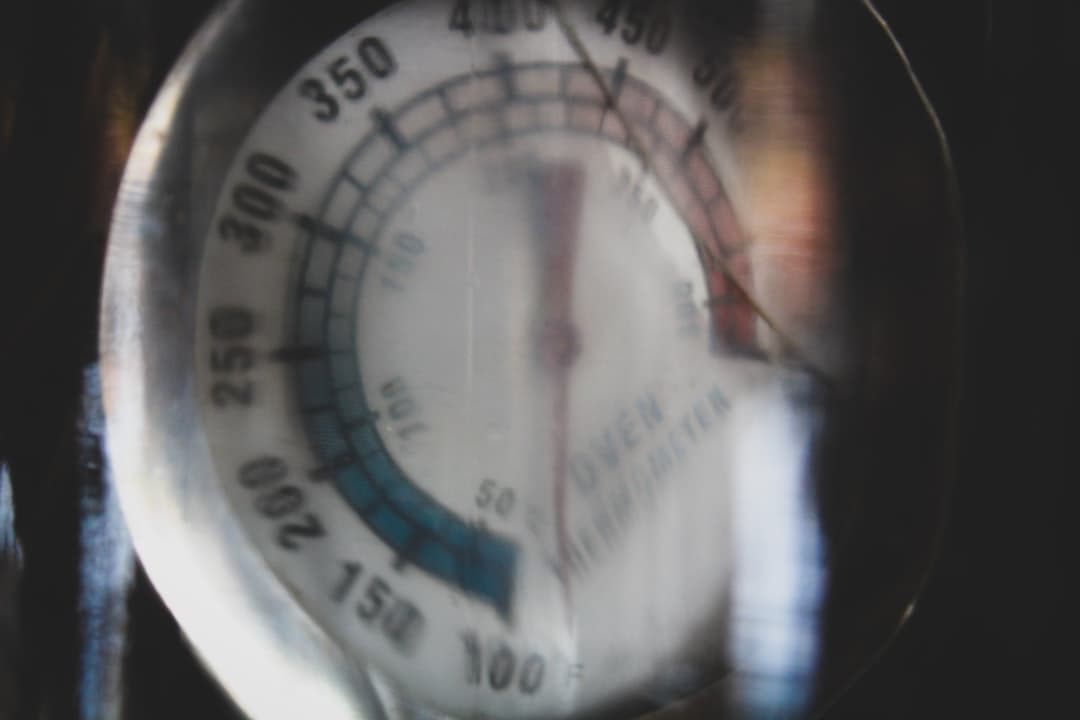 Photo: Photo by noe fornells on Unsplash
What Is the Correct Fridge Temperature in the UK?
The Food Standards Agency (FSA) is unambiguous on this point: your fridge temperature should sit between 0°C and 5°C at all times. For most commercial kitchens, the sweet spot is 3°C to 4°C - cold enough to slow bacterial growth significantly, but not so cold that you risk partially freezing delicate ingredients like soft cheeses or fresh fish.
The Food Safety Act 1990 and the Temperature Control Regulations require food businesses to keep chilled food at or below 8°C, but the FSA strongly advises staying well within 5°C to provide a meaningful safety margin. In practice, 3°C is the industry benchmark for most UK commercial kitchens.
To put it plainly: if your fridge temperature is reading above 5°C, you have a compliance problem. If it is reading above 8°C, you may be committing an offence under UK food hygiene law.
Commercial vs Domestic Fridges: Why the Difference Matters
One of the most consequential mistakes a new hospitality manager can make is assuming that a commercial fridge behaves like a domestic one. It does not - and treating them the same can expose your business to serious legal and financial risk.
Here is how they differ:
Recovery time: Commercial fridges are engineered to return to target temperature rapidly after the door is opened repeatedly during a busy service. A domestic fridge can take 20-30 minutes to recover; a quality commercial unit should recover within minutes.
Ambient tolerance: Commercial kitchens run hot. Commercial refrigeration units are rated to operate in ambient temperatures of up to 43°C, whereas most domestic fridges are designed for room temperatures of around 16-32°C.
Regulatory classification: Under UK food hygiene regulations, only equipment fit for commercial use should be used to store food intended for sale. Using a domestic fridge in a commercial setting may invalidate your insurance and create liability in the event of a food safety incident.
Monitoring requirements: Commercial units should have built-in thermometers or be paired with external monitoring equipment. Domestic fridges rarely include these features as standard.
Fridge Dial Settings Explained
Many commercial and domestic fridges use a numbered dial rather than a digital temperature readout, which causes widespread confusion. Here is how to interpret it:
Higher number = colder temperature. On most dial-controlled fridges, turning the dial from 1 to 5 makes the fridge work harder and get colder.
1 is the warmest setting, 5 (or 7 on some models) is the coldest.
The dial controls the thermostat, not a precise temperature - meaning two different fridges set to '3' may not reach the same actual temperature.
This is precisely why you should never rely solely on the dial. Always use a calibrated thermometer to verify the actual internal temperature, and check it daily. For a commercial kitchen, a probe thermometer or a fixed digital thermometer display is essential.
Should you set your fridge to 3 or 4? In most commercial settings, a setting that achieves a measured temperature of 3°C is ideal. Whether that corresponds to dial position 3 or 4 depends entirely on your specific unit, so measure first and adjust accordingly.
Temperature Requirements for Different Food Types
Not all chilled foods have identical requirements. Understanding the nuances helps you organise your cold storage correctly and reduce waste.
Food Type | Recommended Fridge Temperature | Key Notes |
|---|---|---|
Raw meat and poultry | 0°C to 3°C | Store on the lowest shelf; separate from ready-to-eat food |
Fish and seafood | 0°C to 2°C | Ideally stored on ice or in a dedicated fish fridge |
Dairy products | 1°C to 5°C | Keep away from strong-smelling foods; check use-by dates daily |
Prepared and cooked meals | 0°C to 5°C | Cool to below 8°C within 90 minutes before refrigerating |
Fruit and vegetables | 3°C to 8°C | Some produce (e.g. tomatoes, bananas) stores better at room temperature |
Many larger commercial kitchens use separate refrigeration units for raw meat, fish, dairy, and prepared foods. This eliminates cross-contamination risk and allows each unit to be optimised for its specific contents.
How Bacterial Growth Puts Your Business at Risk
Bacteria multiply rapidly in the temperature danger zone, which runs from 8°C to 63°C. Within this range, pathogens such as Salmonella, Listeria, E. coli, and Campylobacter can double in number every 20 minutes under ideal conditions.
At 5°C, bacterial growth slows dramatically. At 3°C, it slows further still. This is the scientific basis behind the FSA's guidance - every degree above the recommended range meaningfully increases the risk to your customers and your business.
To answer a common question: is 7°C acceptable for a fridge? No - not in a commercial setting. Seven degrees sits just below the legal maximum of 8°C, but well above the FSA recommended ceiling of 5°C. Operating at 7°C consistently would give a food safety inspector serious cause for concern and leaves you with almost no safety margin if the fridge door is opened frequently during a busy shift.
And what about 42°F (approximately 5.5°C), a figure sometimes cited in American guides? In UK and EU standards, this falls marginally above the recommended 5°C ceiling. In a commercial kitchen, this is not acceptable as a routine operating temperature.
Temperature Monitoring and Logging for Compliance
Recording fridge temperatures is not just good practice - it is an expectation of every local authority environmental health officer who walks into your premises. Here is how to set up a robust monitoring routine:
Check and log temperatures at least twice daily - once at opening and once during a mid-shift check. High-risk operations should check three times.
Use a calibrated probe thermometer to verify the internal air temperature of each unit, not just the display panel reading.
Record each reading in a temperature log - paper-based or digital - and note the name of the staff member who took the reading.
Flag and investigate any reading above 5°C immediately. Document the action taken, not just the problem.
Retain records for at least one year. Environmental health officers can request historic logs during an inspection.
For larger operations, consider wireless temperature monitoring systems that send automated alerts to a manager's phone if any unit drifts out of range. These systems typically cost between £150 and £600 per unit but can save thousands in food waste and legal costs.
Common Fridge Temperature Problems and How to Fix Them
Even well-maintained commercial fridges can drift out of the correct temperature range. Here are the most frequent causes and what to do about them:
Overfilling: Packing a fridge too tightly restricts airflow and can raise the internal temperature by 2-4°C. Leave space between items and ensure vents are never blocked. A fridge should be no more than 75% full during service.
Hot food being placed inside: Adding hot or warm food causes the internal temperature to spike. Always cool food to below 8°C before refrigerating.
Door seal failure: A damaged or dirty door seal allows warm air to enter. Check seals weekly by closing the door on a piece of paper - if it slides out easily, the seal needs replacing.
Poor placement: Fridges positioned next to ovens, grills, or in direct sunlight work much harder to maintain temperature and are more likely to fail. Always allow adequate ventilation clearance around the unit.
Frosted or dirty condenser coils: Ice build-up or grease on the coils reduces efficiency. Schedule regular professional servicing - at minimum every six months for high-use commercial units.
Seasonal ambient temperature changes: In summer, your kitchen's ambient temperature rises, making your fridge work harder. Check temperatures more frequently during warm spells and consider adjusting thermostat settings seasonally.
What to Do When Your Commercial Fridge Fails
A fridge failure during a busy service is one of the most stressful events a kitchen team can face. Having a documented emergency procedure in place before it happens is essential.
Stop using the fridge and note the time of the failure and the last known temperature reading.
Keep the door closed as much as possible. A well-stocked fridge will hold a safe temperature for approximately two to four hours if unopened.
Assess the contents. High-risk foods (raw meat, fish, dairy, prepared meals) that have been above 5°C for more than two hours should be discarded.
Transfer safe stock to an alternative refrigeration unit, or use ice and insulated containers as a short-term measure.
Contact a commercial refrigeration engineer immediately. Keep an emergency contact number posted in the kitchen at all times.
Document the incident, including what was discarded and why. This record protects you in the event of any subsequent complaint or inspection.
Food that has been above 8°C for more than four hours should be disposed of without exception. The cost of replacing stock will always be less than the cost of a food poisoning claim or a food hygiene prosecution.
Energy Efficiency vs Food Safety: Striking the Right Balance
Rising energy costs have led some operators to consider raising fridge temperatures slightly to reduce electricity bills. This is a false economy.
Raising your fridge temperature from 3°C to 6°C may cut running costs marginally, but the resulting increase in food spoilage, stock wastage, and compliance risk will cost far more. A single enforcement action from your local authority - or worse, a food poisoning outbreak - can cost a hospitality business tens of thousands of pounds in fines, legal fees, and reputational damage.
If energy costs are a concern, the smarter approach is to invest in energy-efficient commercial refrigeration units that maintain the correct fridge temperature while using less power. Look for units with an A+ or higher energy rating, LED lighting, and smart compressor technology.
Staff Training: Building a Temperature-Safe Team
Even the best refrigeration equipment is only as reliable as the team operating it. In a busy hospitality environment, temperature discipline can slip - particularly during peak hours when the temptation is to cut corners.
Your staff training programme should cover:
Why fridge temperature matters - not just the rule, but the reason behind it. Staff who understand the science are more likely to comply.
How to use a probe thermometer correctly, including how to clean and sanitise the probe between uses.
How to complete temperature logs accurately and what to do if a reading is out of range.
The correct loading procedure for fridges - no hot food, no overfilling, door seals checked.
The emergency procedure for fridge failure, including who to contact and how to make the safe/unsafe call on stock.
Training should be delivered on induction and refreshed at least annually. Any update to procedures - new equipment, new monitoring systems, or changes in your menu - should trigger a refresher session. Keep signed training records on file as evidence of due diligence.
Freezer Temperature Standards
Whilst the focus of this guide is fridge temperature, it is worth noting the standard for commercial freezers. The FSA recommends that frozen food is stored at -18°C or below. At this temperature, bacterial growth is effectively halted (though not reversed - bacteria that were present before freezing will resume activity when food is thawed, which is why correct thawing procedures are equally important).
Check your freezer temperatures with the same frequency as your fridges, and log them in the same record system. Freezers that are consistently above -15°C should be serviced promptly.
The Cost of Getting It Wrong
The financial consequences of poor fridge temperature management extend well beyond stock wastage. Consider the full picture:
Fines and enforcement action: Local authority food safety officers can issue improvement notices, prohibition orders, and fines. Serious breaches can result in prosecution.
Food Hygiene Rating impact: A poor inspection result - often driven by temperature failures - can drop your hygiene rating and deter customers. In Wales, displaying your rating is a legal requirement.
Civil liability: If a customer becomes ill as a result of food that was improperly stored, your business could face a negligence claim.
Reputational damage: In the age of Google reviews and social media, a single food poisoning incident can inflict lasting damage on your venue's reputation.
Maintaining the correct fridge temperature is one of the most cost-effective investments a hospitality manager can make. The tools are simple, the rules are clear, and the consequences of ignoring them are entirely avoidable.
Frequently asked questions
What temperature should a fridge be UK?
In the UK, the Food Standards Agency recommends keeping your fridge between 0°C and 5°C. For commercial kitchens, 3°C is the widely accepted benchmark. The legal maximum under UK food hygiene regulations is 8°C for chilled food, but operating close to this limit leaves very little safety margin and would concern an environmental health inspector.
Should I set my fridge to 3 or 4?
The dial number alone does not tell you the actual temperature - different fridges vary. Set your dial to whichever position delivers a measured internal temperature of around 3°C, as verified by a calibrated probe thermometer. In most units, a setting of 3 or 4 will achieve this, but always measure rather than assume.
Is a fridge colder on 1 or 5?
On most dial-controlled fridges, a higher number means a colder setting. So 5 is colder than 1. The dial adjusts the thermostat, telling the compressor to work harder. However, the numbers are not universal across all brands and models, so always confirm the actual temperature with a thermometer rather than relying on the dial position alone.
Is 42 degrees ok for a fridge?
If you mean 42°F, that is approximately 5.5°C - slightly above the FSA recommended maximum of 5°C for a UK commercial kitchen. This is not an acceptable routine operating temperature for a hospitality business. It may seem close, but during a busy service with frequent door opening, actual temperatures can spike well above this, creating a real food safety risk.