Hospitality Management Best Practices for the Hospitality Industry
From career pathways and qualifications to guest experience strategies and digital tools - your complete guide to hospitality management in the UK today.
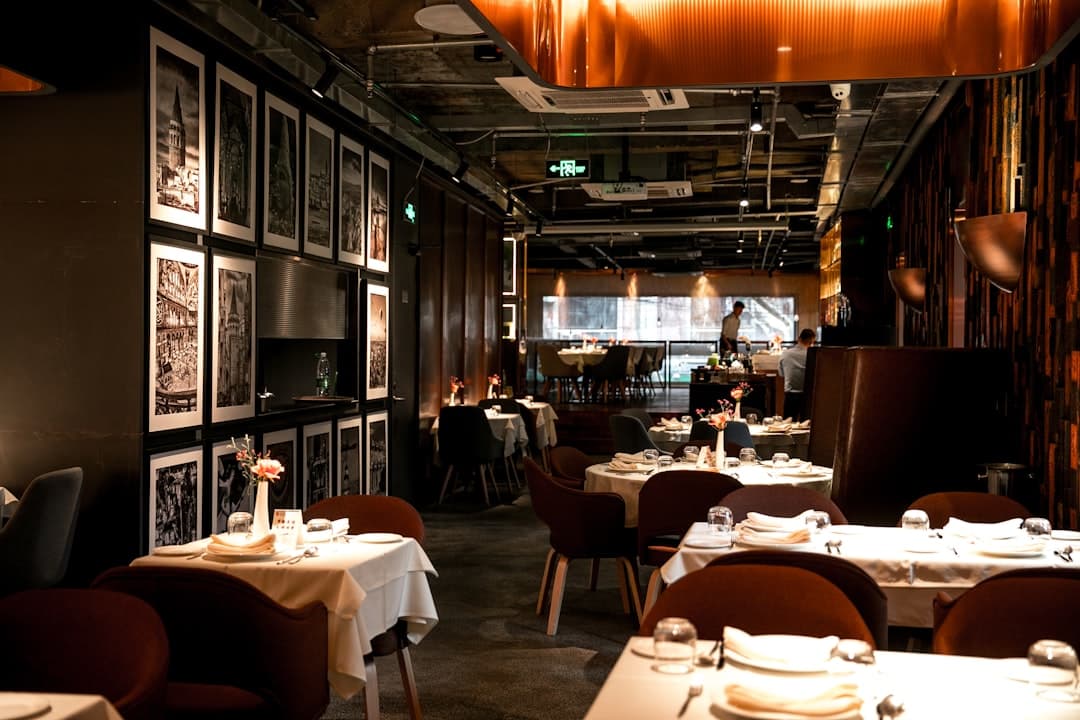 Photo: Photo by Igor Rand on Unsplash
What Is Hospitality Management?
Hospitality management is the professional practice of leading, organising, and improving businesses that exist to serve guests. It is one of the broadest disciplines in business - spanning hotels, restaurants, pubs, bars, cafes, event venues, spas, cruise lines, and more - and it demands a combination of operational precision, people leadership, financial acumen, and creative thinking.
In the UK, the hospitality sector contributes more than £130 billion to the economy and employs around 3.5 million people. It is also one of the most dynamic and demanding industries to work in - shaped by shifting consumer expectations, tightening regulation, rising costs, and the ongoing challenge of attracting and retaining talented staff.
Whether you are a newly promoted supervisor, an experienced General Manager, or someone considering a career in the field, understanding the full scope of hospitality management - from qualifications and career pathways through to technology, sustainability, and guest experience - is essential for long-term success.
Degrees, Qualifications and Professional Certifications
Formal education remains one of the most structured routes into hospitality management, and UK institutions offer a wide range of options at every level.
At undergraduate level, a BSc or BA in Hospitality Management typically runs for three years in England and four in Scotland, with many programmes including a paid industry placement year. Universities such as Bournemouth, Surrey, Oxford Brookes, and Glion (for those looking internationally) are consistently well-regarded. Foundation degrees, which are two-year programmes often delivered through further education colleges, offer a more affordable entry point and can be topped up to a full degree.
Postgraduate options - including MSc Hospitality Management and specialist MBAs - are increasingly popular among mid-career professionals looking to move into senior or strategic roles. These programmes typically take one to two years full-time.
Beyond academic degrees, professional certifications carry significant weight with employers. Key bodies to be aware of include:
Institute of Hospitality (IoH) - offers the globally recognised Certified Hospitality Professional (CHP) designation and a range of short courses and CPD programmes.
Institute of Hospitality and Hotel Lodging Association (IH&HLA) - professional membership and certification relevant to accommodation and lodging managers.
Chartered Institute of Tourism Professionals (CITP) - relevant for those working at the intersection of hospitality and tourism.
Hospitality apprenticeships - Level 3 (Supervisor), Level 4 (Manager), and Level 5 (Operations or Departmental Manager) apprenticeships are now well-established and allow people to earn while they learn.
The key takeaway is that academic qualifications and professional certifications are not mutually exclusive - the most competitive candidates typically combine both with substantial practical experience.
Career Pathways and Job Roles in Hospitality Management
One of hospitality management's greatest strengths as a career is its breadth. Roles vary enormously by sector, property type, and seniority - and lateral moves between sectors are common.
Common career pathways include:
Accommodation pathway - from Front Desk Agent to Front Office Manager, then Rooms Division Manager, and ultimately General Manager or Hotel Director.
Food and beverage pathway - from Chef or Waiter to Restaurant Manager, Food and Beverage Manager, then Director of Food and Beverage or Operations Director.
Events pathway - from Events Coordinator to Events Manager, Conference and Banqueting Manager, then Director of Events or Group Events Director.
Commercial pathway - from Revenue Analyst to Revenue Manager, then Director of Revenue or Commercial Director.
Multi-site and group roles - Area Manager, Regional Operations Manager, and Group General Manager roles for those managing multiple properties.
Salary Expectations Across Hospitality Roles in the UK
Salary benchmarks in UK hospitality vary significantly by role, property type, and region. London and the South East command a premium, but regional cities like Manchester, Edinburgh, Birmingham, and Bristol are increasingly competitive - particularly as cost-of-living pressures push talent away from the capital.
Role | Typical UK Salary Range | Senior / London Premium |
|---|---|---|
Hotel General Manager | £45,000 - £80,000 | £100,000+ |
Food and Beverage Manager | £30,000 - £50,000 | £55,000 - £70,000 |
Revenue Manager | £35,000 - £55,000 | £60,000 - £75,000 |
Events Director | £40,000 - £65,000 | £70,000 - £90,000 |
Regional Operations Manager | £50,000 - £70,000 | £75,000 - £95,000 |
Benefits packages - including accommodation, meals on duty, service charge, and performance bonuses - can add meaningfully to headline salaries in the accommodation and fine dining sectors.
Hotel and Accommodation Management
Hotels represent the most complex environment in hospitality management. A single property may encompass front office, housekeeping, food and beverage, spa, gym, events, revenue management, and sales functions - all needing to operate in harmony to deliver a consistent guest experience.
Key operational priorities for hotel managers include:
Occupancy and RevPAR (Revenue Per Available Room) optimisation - balancing rate and volume to maximise yield.
Guest satisfaction scores - tracking NPS, TripAdvisor ratings, and OTA review responses as operational KPIs.
Brand standards compliance - particularly relevant for franchised or managed properties operating under major brands.
Health and safety and licensing - compliance with the Health and Safety at Work Act 1974, fire safety regulations, and premises licensing under the Licensing Act 2003.
Independent hotels and boutique properties face different pressures from branded chains - they typically have more flexibility but fewer central resources, making strong local management even more critical.
Restaurant and Food Service Operations
Food service management sits at the heart of hospitality management for a large proportion of UK businesses. Whether you are running a standalone restaurant, a hotel dining room, a pub kitchen, or a contract catering operation, the fundamentals are consistent: food safety, cost control, team performance, and guest satisfaction.
Managers in food service must be fluent in UK Food Safety Act 1990 requirements, HACCP principles, FSA hygiene ratings, and allergen legislation under the Food Information Regulations 2014. Beyond compliance, success depends on menu engineering, gross profit management, and building a kitchen culture that retains chefs in a notoriously high-turnover environment.
Events and Conference Management
Events represent one of the highest-margin revenue streams for hospitality businesses - and one of the most operationally demanding. Events and conference management requires meticulous planning, supplier coordination, client communication, and real-time problem-solving on the day.
The UK events sector has undergone significant restructuring since 2020. Hybrid events - combining in-person and virtual attendance - are now a permanent fixture, requiring managers to invest in AV technology and digital production capabilities alongside traditional catering and logistics.
Professional development in this area is supported by the Meetings Industry Association (MIA) and EVCOM, both of which offer training, accreditation, and networking relevant to hospitality professionals working in the events space.
Core Skills Every Hospitality Manager Needs
Technical knowledge matters, but the skills that truly differentiate outstanding hospitality managers tend to be behavioural and interpersonal. The most effective managers consistently demonstrate:
Emotional intelligence - the ability to read situations, manage stress in high-pressure environments, and bring out the best in diverse teams.
Financial literacy - understanding P&L statements, labour cost percentages, food cost ratios, and cash flow management.
Communication and conflict resolution - handling guest complaints, staff disputes, and supplier negotiations with clarity and calm.
Adaptability - the ability to pivot quickly when staffing, supply chains, or guest demand shifts unexpectedly.
Coaching and development - investing in team growth reduces turnover and builds the capability of the business over time.
Digital Technology Transforming Hospitality Management
Technology fluency is no longer optional for hospitality managers - it is a core competency. The pace of digital adoption in the sector has accelerated dramatically, and businesses that lag behind face genuine competitive disadvantage.
Key systems and platforms shaping modern hospitality management include:
Property Management Systems (PMS) - platforms like Opera Cloud, Mews, and Cloudbeds manage room reservations, guest profiles, and billing in hotels.
Point of Sale (POS) and EPOS systems - essential for food and beverage operations, increasingly integrated with stock management and reporting tools.
Revenue management systems (RMS) - AI-driven tools that dynamically adjust room or cover pricing based on demand signals, competitor rates, and historical data.
Workforce management software - scheduling, time and attendance, and compliance tracking platforms that reduce labour cost overruns and scheduling errors.
Compliance and operations platforms - tools like Paddl that centralise food safety documentation, HACCP plans, COSHH assessments, and team training records in one place.
Guest experience platforms - CRM tools, post-stay survey systems, and reputation management software that help managers act on feedback quickly.
Managers who can evaluate, implement, and champion technology adoption will find themselves significantly more competitive in the job market - and more effective in their day-to-day operations.
Sustainability and Environmental Management in Hospitality
Sustainability has moved from a nice-to-have differentiator to a core expectation among guests, investors, and regulators. UK hospitality businesses are under growing pressure to reduce their environmental footprint - and those that get ahead of this shift stand to benefit commercially as well as reputationally.
Practical sustainability priorities for hospitality managers include:
Energy management - smart metering, LED lighting, and heat recovery systems can deliver significant cost savings alongside carbon reductions.
Food waste reduction - UK hospitality generates an estimated 1.1 million tonnes of food waste annually. Digital waste tracking tools and portion control protocols can meaningfully reduce this.
Supply chain sourcing - prioritising local and seasonal produce reduces food miles and supports regional farmers and producers.
Waste segregation and recycling compliance - the UK Government's Simpler Recycling regulations (coming into effect April 2026) will introduce new obligations for hospitality businesses.
Green certifications - schemes such as the Green Tourism Award and ISO 14001 provide frameworks and recognition for businesses making measurable progress.
Staffing Challenges and Employee Retention
Ask any hospitality manager what keeps them awake at night and the answer is almost always the same: people. The UK hospitality sector has faced acute staffing challenges since the combined impact of Brexit and the pandemic removed a significant portion of the EU-national workforce that many businesses depended on.
Annual staff turnover rates in UK hospitality average around 75-80% - more than three times the cross-industry average. The cost of replacing a single team member, when you factor in recruitment, onboarding, and lost productivity, is typically estimated at between £1,500 and £5,000.
Effective retention strategies that are making a genuine difference in forward-thinking businesses include:
Clear career progression frameworks - people stay when they can see a future. Publishing internal promotion pathways and offering funded training signals investment in individuals.
Flexible scheduling - rigid rotas are a leading cause of hospitality attrition. Rota software that gives staff more control over their hours reduces friction considerably.
Wellbeing support - the Hospitality Action charity reports that hospitality workers experience higher rates of mental health challenges than the national average. Structured wellbeing programmes and access to support lines demonstrate genuine care.
Competitive pay and tips transparency - the new tipping legislation under the Employment (Allocation of Tips) Act 2023 requires fair and transparent distribution of tips, a change that improves trust between operators and staff.
Customer Service Excellence and Guest Experience Strategies
In a world where guests can leave a review within minutes of leaving your premises, delivering consistent and memorable guest experiences is the most powerful marketing strategy available. Great hospitality management underpins great guest experience - it is not a separate function.
The best operators approach guest experience systematically:
Map the guest journey - identify every touchpoint from booking to departure and assess the experience at each stage.
Set measurable service standards - ambiguous expectations produce inconsistent delivery. Define what good looks like at each touchpoint.
Train, practise, and debrief - service training should be ongoing, not a one-off induction. Regular briefings and post-shift reviews embed standards.
Empower front-line staff to resolve issues - giving team members the authority and budget to fix problems in the moment prevents small issues escalating into negative reviews.
Close the feedback loop - analyse review data, identify patterns, and act visibly on what guests tell you.
Entrepreneurship and Starting Your Own Hospitality Business
Many experienced hospitality managers eventually reach a point where they want to apply everything they have learned to their own venture. The UK hospitality sector has a strong entrepreneurial culture, and independent operators continue to thrive - particularly in the casual dining, speciality coffee, boutique accommodation, and experiential events spaces.
Key considerations for aspiring hospitality entrepreneurs include:
Business planning and funding - the British Business Bank, Start Up Loans programme, and sector-specific grants from local enterprise partnerships (LEPs) are all worth exploring.
Premises and leasing - understanding commercial lease structures, rent reviews, and dilapidation clauses is essential before signing.
Licensing - premises licences, personal licences, and any relevant food business registrations need to be secured before opening.
Compliance from day one - food safety, fire safety, employer liability insurance, and COSHH compliance cannot wait until the business is up and running. Building these into your pre-opening checklist protects you legally and operationally.
Mentorship and networks - organisations like UKHospitality and the British Hospitality Association offer invaluable peer networks, advocacy, and resources for both established operators and new entrants.
Final Thoughts
Hospitality management is one of the most demanding disciplines in business - and one of the most rewarding. It requires technical knowledge, people skills, commercial sharpness, and an authentic passion for serving others. The managers who thrive are those who never stop learning: investing in qualifications and certifications, embracing technology, championing their teams, and staying close to the evolving expectations of their guests.
Whether you are mapping your own career progression, building a team, or running an entire property, the principles of great hospitality management remain consistent: set high standards, develop your people, control your numbers, and never lose sight of why guests choose you over the competition.
Frequently asked questions
What does hospitality management do?
Hospitality management involves overseeing the day-to-day and strategic operations of businesses that serve guests - including hotels, restaurants, pubs, spas, and event venues. Managers are responsible for staff leadership, financial performance, compliance, customer experience, and supplier relationships. In larger organisations, the role splits across departments such as front of house, food and beverage, housekeeping, and sales.
What do you mean by hospitality management?
Hospitality management refers to the professional discipline of planning, organising, and directing operations within the hospitality industry. It combines business management principles - finance, HR, marketing, and strategy - with sector-specific knowledge around guest experience, food safety, licensing, and accommodation. It applies across a wide range of settings, from independent cafes to global hotel chains.
Is HM a 2 year course?
It depends on the programme and level. Foundation degrees in hospitality management typically run for two years. Full bachelor's degrees are three years in England (four in Scotland), though some accelerated programmes compress this. Postgraduate and MBA routes can be completed in one to two years. Apprenticeships and professional certifications from bodies like IH&HLA offer more flexible, work-based alternatives.
What is the best job for hospitality management?
The most sought-after roles include Hotel General Manager, Director of Food and Beverage, Revenue Manager, Events Director, and Regional Operations Manager. Hotel General Manager is often cited as the pinnacle for those who enter through accommodation routes, combining P&L responsibility with leadership across all departments. Revenue Manager is increasingly valuable as data-driven pricing becomes central to profitability.