EHO Inspections Explained: What Every Hospitality Business Needs to Know
Complete guide to EHO inspections: legal powers, scoring systems, inspection process, required documentation, possible outcomes, and appeals. Essential knowledge for UK hospitality managers.
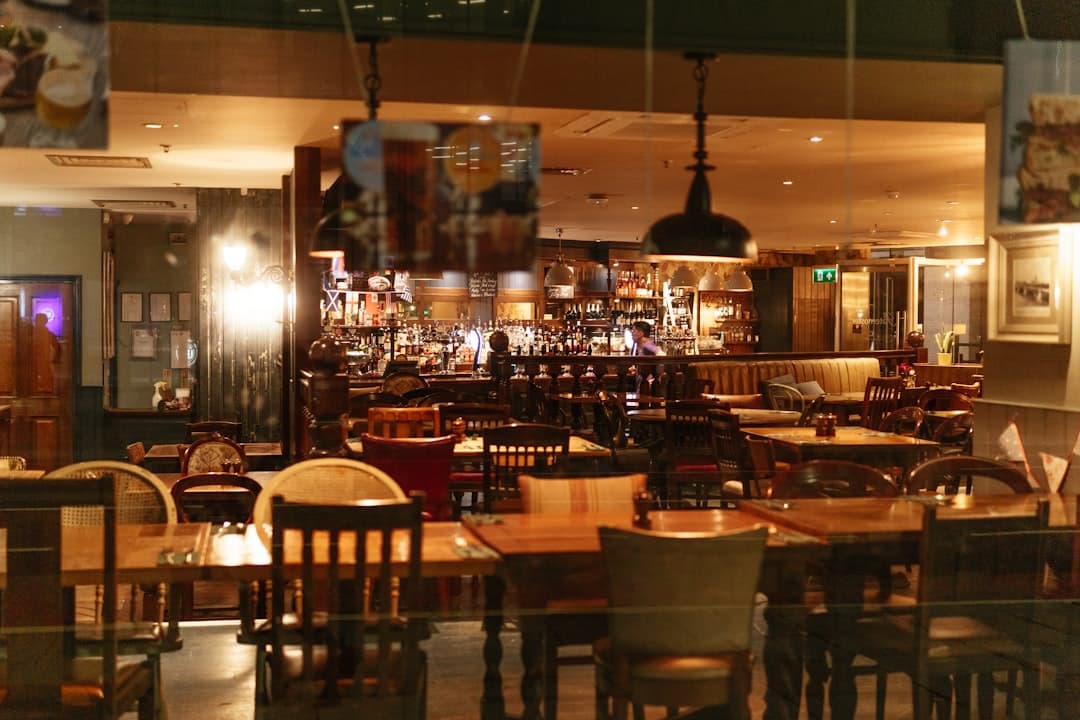 Photo: Photo by Igor Sporynin on Unsplash
Environmental Health Officer (EHO) inspections are a critical aspect of running any food business in the UK. These visits determine your Food Hygiene Rating and can significantly impact your reputation and operations. Understanding how EHO inspection UK processes work is essential for hospitality managers who want to maintain high standards and avoid costly compliance issues.
This comprehensive guide explains everything you need to know about environmental health officer visits, from their legal powers to the appeals process, helping you navigate inspections with confidence and maintain excellent food safety standards.
Understanding Environmental Health Officers and Their Legal Authority
Environmental Health Officers are qualified professionals employed by local authorities to enforce food safety legislation. They have extensive legal powers under the Food Safety Act 1990 and related regulations, making them formidable enforcers of hygiene standards.
EHOs possess significant legal powers of entry, including:
Right to enter food premises at reasonable hours without a warrant
Authority to inspect and examine any food, equipment, or documentation
Power to take samples for analysis and testing
Ability to seize and detain unsafe food
Right to interview staff and business owners under caution
Several factors trigger EHO inspections:
Routine scheduled inspections based on your current rating (higher ratings = less frequent visits)
Customer complaints about food safety or hygiene
New business registration or change of ownership
Food poisoning incidents or suspected outbreaks
Follow-up visits after enforcement action
Food Hygiene Rating Scheme: How Scoring Works
The Food Hygiene Rating Scheme evaluates businesses across three key areas, each contributing to your overall score from 0 to 5. Understanding this scoring system is crucial for any food hygiene inspection preparation.
The three assessment categories are:
1. Hygienic Food Handling (Maximum 25 points)
Food preparation and cooking procedures
Temperature control and storage practices
Personal hygiene standards
2. Physical Environment (Maximum 20 points)
Cleanliness and condition of facilities
Layout and design for food safety
Lighting, ventilation, and pest control
Waste management systems
3. Confidence in Management (Maximum 30 points)
HACCP system implementation and documentation
Staff training records and competency
- Track record of compliance and previous inspection history
Management's understanding of food safety requirements
The total points determine your food hygiene rating:
0-15 points: Rating 5 (Very Good)
20 points: Rating 4 (Good)
25-30 points: Rating 3 (Generally Satisfactory)
35-40 points: Rating 2 (Improvement Necessary)
45-50 points: Rating 1 (Major Improvement Necessary)
Over 50 points: Rating 0 (Urgent Improvement Necessary)
The Inspection Process: What Actually Happens
Understanding the typical environmental health officer visit process helps reduce anxiety and ensures you're prepared for each stage of the inspection.
Arrival and Introduction:
EHO presents official identification and explains the purpose of visit
Brief discussion about business operations and any recent changes
Request to speak with the person in charge or designated food safety contact
Documentation Review:
Examination of HACCP records and food safety management system
Review of temperature monitoring logs and cleaning schedules
Verification of staff training certificates and competency records
Physical Inspection:
Systematic walk-through of all food preparation and storage areas
Temperature checks of refrigeration units and food items
Assessment of cleaning standards and structural conditions
Observation of staff practices and food handling procedures
Conclusion and Feedback:
Discussion of findings with management
Verbal feedback on areas of concern or good practice
Explanation of likely rating and any enforcement actions required
Timeline for written report and official rating notification
Essential Documentation and Records for EHO Visits
Proper documentation demonstrates management competence and significantly impacts your food hygiene inspection outcome. EHOs expect to see comprehensive HACCP records that prove your food safety management system is working effectively.
Critical documents to maintain and present:
HACCP plan or Safer Food Better Business (SFBB) pack with completed diary pages
Temperature monitoring logs for refrigeration, freezers, and hot holding
Daily, weekly, and deep cleaning schedules with completion records
Staff training certificates for food hygiene qualifications
Pest control service contracts and treatment records
Supplier approval documentation and delivery inspection records
Equipment calibration certificates for thermometers and probe thermometers
Accident book and any food safety incident reports
Water quality test results if using private water supply
The quality of your documentation often determines the 'confidence in management' score, which carries the highest point value in the rating system. Incomplete or missing records suggest poor management systems and will negatively impact your rating regardless of physical standards.
Possible Inspection Outcomes and Consequences
EHO inspections can result in various outcomes depending on the severity of any issues discovered. Understanding these potential consequences helps you appreciate the importance of maintaining high standards consistently.
Food Hygiene Rating (0-5):
The most common outcome is assignment of a rating that must be displayed prominently at your premises and appears on the FSA website. Poor ratings significantly impact customer confidence and business revenue.
Written Warnings:
For minor contraventions, EHOs may issue written warnings outlining required improvements with specific timescales for compliance. These don't require immediate closure but create a formal record of non-compliance.
Hygiene Improvement Notices:
More serious violations result in formal legal notices requiring specific improvements within stated timeframes (typically 14-28 days). Failure to comply can lead to prosecution and fines up to £20,000.
Emergency Prohibition Notices:
When EHOs identify imminent health risks, they can immediately close all or part of your operation. This drastic action requires magistrate court confirmation within three days but causes immediate business disruption.
Voluntary Closures:
Sometimes managers choose to close voluntarily when significant problems are identified, avoiding formal enforcement action while addressing issues. This approach often leads to better ongoing relationships with enforcement officers.
Prosecution:
Serious or repeated violations can result in criminal prosecution with unlimited fines, potential imprisonment for company directors, and lasting reputational damage. Food safety offences create criminal records that affect business licensing and insurance.
Appeals Process and Re-rating Procedures
If you disagree with your food hygiene rating or believe the inspection was unfair, several appeal mechanisms are available to challenge the decision.
Right to Reply:
Within 21 days of receiving your rating, you can submit a 'right to reply' response explaining any circumstances that may have affected the inspection. This response appears alongside your rating on the FSA website but doesn't change the score itself.
Appeals Process:
Submit formal appeal within 21 days to the local authority
Provide detailed grounds for appeal with supporting evidence
Independent review by senior officers not involved in original inspection
Decision communicated within reasonable timeframe (usually 4-6 weeks)
Re-rating Inspections:
Once you've addressed issues identified in the original inspection, you can request a re-rating visit. Most local authorities charge fees for these inspections (typically £150-£200), but the investment is worthwhile for improving poor ratings.
Requirements for re-rating requests:
Wait minimum 3 months after previous inspection (unless rating 0 or 1)
Complete all required improvements and provide evidence
Submit formal application with supporting documentation
Pay applicable fees as determined by local authority
Pre-Inspection Checklist for Maximum Readiness
Maintaining inspection readiness daily is far more effective than last-minute preparation. This comprehensive checklist ensures your business is always prepared for an EHO inspection UK visit.
Premises and Equipment:
All surfaces clean and sanitised, including walls, floors, and ceilings
Equipment in good working order with current calibration certificates
Adequate lighting throughout food preparation areas
Hand washing facilities properly stocked with soap and drying facilities
Waste storage areas clean and secure against pest access
Food Storage and Handling:
All refrigeration units operating at correct temperatures (0-5°C for fridges, -18°C for freezers)
Food properly covered, labelled, and stored according to type and use-by dates
Raw and ready-to-eat foods separated to prevent cross-contamination
First-in-first-out stock rotation system clearly operating
Documentation Preparation:
HACCP records up to date with recent monitoring entries
Temperature logs completed daily with any corrective actions noted
Cleaning schedules signed off with evidence of completion
All staff training certificates easily accessible and current
Staff Readiness:
All team members aware of basic food safety principles and company policies
Designated person available to accompany inspector and answer questions
Staff displaying appropriate protective clothing and following hygiene procedures
Food Premises Registration Requirements
All food businesses in the UK must register with their local authority at least 28 days before opening. This legal requirement triggers your first EHO inspection and establishes your business in the food safety enforcement system.
New Business Registration:
Complete food premises registration form with local authority
Provide details of business activities, opening hours, and estimated customer numbers
Submit registration at least 28 days before intended opening date
Registration is typically free, though some authorities charge nominal processing fees
When Re-registration is Required:
Change of business ownership or company structure
Significant changes to business activities or food preparation methods
Relocation to different premises or expansion to additional sites
Major structural alterations affecting food preparation or storage areas
Failure to register is a criminal offence that can result in prosecution and fines. New businesses often receive their first inspection within 28 days of registration, making it crucial to have all systems operational from day one.
Understanding EHO inspections empowers hospitality managers to maintain consistently high standards and view these visits as opportunities to demonstrate professional competence. With proper preparation, clear documentation, and well-trained staff, your business can achieve excellent ratings that enhance reputation and customer confidence while ensuring full regulatory compliance.