Pub Licensing Laws UK: What Every Hospitality Manager Needs to Know
From personal licence holders to premises applications and appeals, this practical guide covers everything UK hospitality managers need to stay legally compliant and avoid costly mistakes.
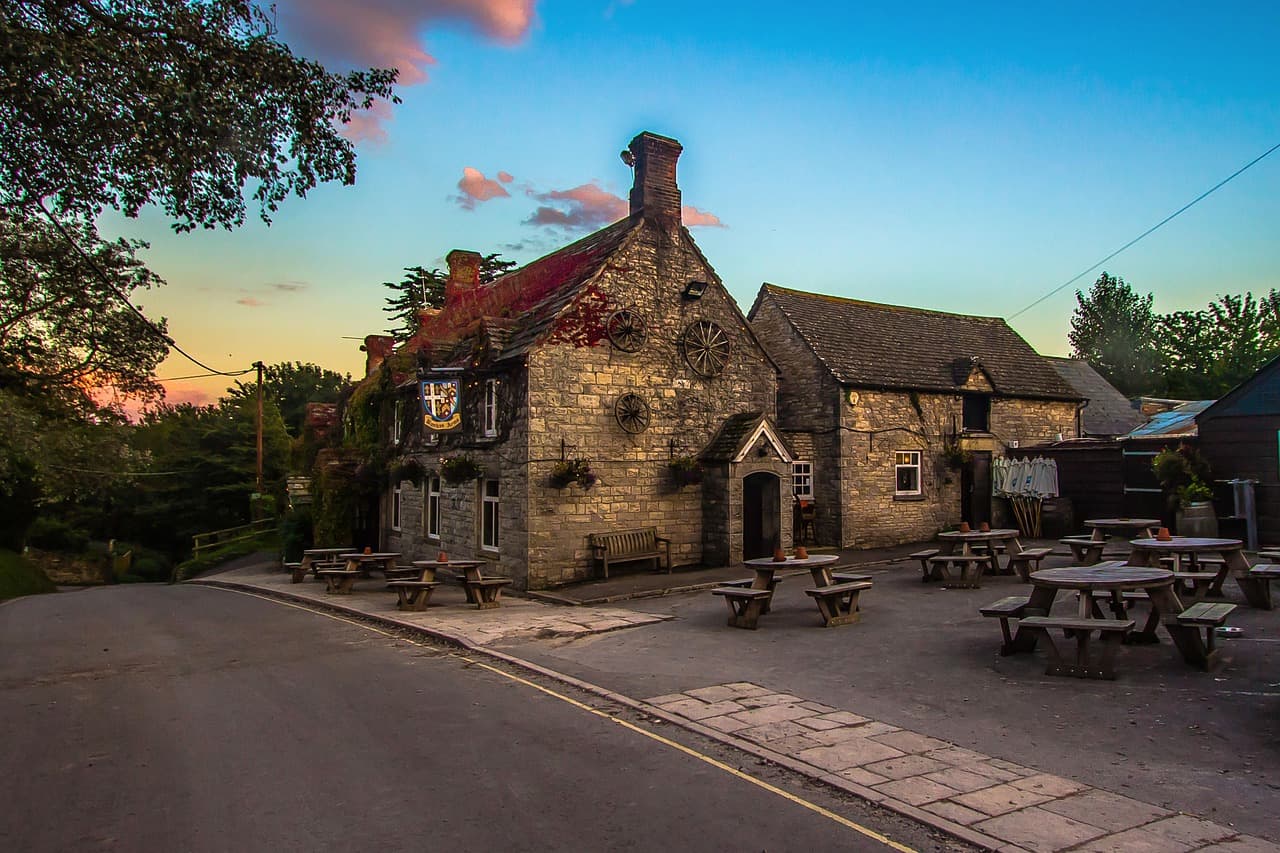 Photo: Image by diego_torres on Pixabay
Why Pub Licensing Laws UK Matter More Than Ever
Running a pub, bar, or licensed restaurant in the UK is one of the most rewarding roles in hospitality - but it comes with a substantial legal responsibility. Pub licensing laws UK cover everything from the hours you can serve alcohol to who is legally allowed to supervise your premises. Get them wrong and you risk fines, licence suspension, or even criminal prosecution.
This guide goes beyond the basics. Whether you are applying for your first premises licence, managing an existing venue, or preparing your staff for a licensing inspection, you will find a practical, step-by-step breakdown of everything you need to know - including costs, common pitfalls, and the latest regulatory updates from 2024 and 2025.
The Licensing Act 2003: The Legal Foundation
The Licensing Act 2003 is the primary legislation governing the sale and supply of alcohol, regulated entertainment, and late-night refreshment in England and Wales. It came into force in November 2005 and replaced the previous patchwork of licensing laws with a single, consolidated framework administered by local licensing authorities - typically your local council.
The Act is built around four core licensing objectives that every applicant and licence holder must actively promote:
The prevention of crime and disorder
Public safety
The prevention of public nuisance
The protection of children from harm
Every decision your licensing authority makes - from granting a new licence to imposing conditions or revoking an existing one - must be justified against these four objectives. Understanding them is not just useful for exam preparation; it is the lens through which all licensing decisions are made.
Types of Licensable Activities and Premises
The Licensing Act 2003 covers four main categories of licensable activity:
The retail sale of alcohol
The supply of alcohol by or on behalf of a club to its members
The provision of regulated entertainment (live music, recorded music, performances, etc.)
The provision of late-night refreshment (hot food or drink between 11pm and 5am)
Premises requiring a licence span a wide range of venue types - pubs, bars, nightclubs, restaurants, hotels, off-licences, supermarkets, theatres, and cinemas. Even temporary events require a Temporary Event Notice (TEN) if alcohol is to be served, though this only applies to events with fewer than 500 people and is subject to strict limits on how many TENs a premises or individual can apply for per year.
Premises Licence: Step-by-Step Application Process
If you are opening a new pub or taking over an existing licensed venue, securing the right premises licence is your first legal priority. Here is how the process works in England and Wales:
Prepare your operating schedule - This document outlines your proposed hours, licensable activities, and the steps you will take to promote the four licensing objectives. It forms the core of your application.
Create a premises plan - You will need a scaled plan of the premises showing entrances, exits, and any areas where licensable activities will take place.
Designate a DPS - Your application must name a Designated Premises Supervisor (DPS) who holds a personal licence. This person will be responsible for day-to-day compliance.
Submit your application - Applications go to your local licensing authority. You must also send copies to all responsible authorities, including the police, fire service, environmental health, and the local planning authority.
Advertise your application - You must display a notice at the premises and place an advertisement in a local newspaper within 10 working days of submission.
Allow for the consultation period - The 28-day consultation window allows responsible authorities and members of the public to submit representations.
Attend a hearing if required - If representations are received, a licensing sub-committee hearing will be scheduled. You will have the opportunity to respond to any objections.
Receive your licence - If granted, your premises licence is issued with any applicable conditions. It does not expire, but it can be reviewed or revoked at any time.
Cost Breakdown of Licensing Applications
One area many operators underestimate is the cost involved in obtaining and maintaining a premises licence. In England and Wales, application fees are set nationally based on the rateable value of your premises:
Rateable Value Band | Application Fee | Annual Fee |
|---|---|---|
None (no rateable value) | £100 | £70 |
Up to £4,300 | £100 | £70 |
£4,301 to £33,000 | £190 | £180 |
£33,001 to £87,000 | £315 | £295 |
£87,001 to £125,000 | £450 | £320 |
£125,001 and above | £635 | £350 |
Large venues (multiplier applies) | Up to £1,905 | Up to £1,050 |
Beyond the statutory fees, you should budget for legal advice if you expect representations, newspaper advertising costs (typically £150-£400 depending on the publication), and any premises modifications required to meet conditions.
Personal licence applications cost £37, plus the cost of the required qualification (the Award for Personal Licence Holders, or APLH), which typically runs between £150 and £300 depending on your training provider.
Personal Licence Holders: Requirements and Responsibilities
A personal licence authorises an individual to supply alcohol, or to authorise its supply, at premises with a premises licence. Under pub licensing laws UK, every premises that sells alcohol must have a named Designated Premises Supervisor (DPS) who holds a personal licence.
To obtain a personal licence, applicants must:
Be aged 18 or over
Hold an accredited licensing qualification - in England and Wales, this is typically the APLH (Award for Personal Licence Holders), offered by the British Institute of Innkeeping Awarding Body (BIIAB) or the Award for Personal Licence Holders (HABC)
Not have forfeited a personal licence in the previous five years
Not have been convicted of a relevant or foreign offence (or if they have, the licensing authority will consult the police before deciding)
Personal licences do not expire but must be renewed after 10 years in some regions. The DPS is specifically the personal licence holder named on the premises licence as the individual responsible for day-to-day management. Crucially, they do not need to be on-site at all times, but must be contactable and responsible for supervising compliance.
Age Restrictions: What the Law Requires
It is illegal to sell alcohol to anyone under the age of 18 in the UK. It is also an offence to allow an unaccompanied child under 16 onto licensed premises in some circumstances, though most pubs are permitted to admit children with accompanying adults.
The law places responsibility on both the individual who makes the sale and the DPS. If a member of staff sells alcohol to someone who is underage - even unknowingly - both the staff member and the premises can face prosecution.
This is why a robust Challenge 25 (or Think 25) policy is essential. Under Challenge 25, staff are expected to ask for ID from any customer who looks under 25. Acceptable forms of ID include a passport, a driving licence, a PASS-accredited card, or an armed forces ID card. Your policy should be documented, displayed on the premises, and embedded into staff training records.
Trading Hours: What the Law Actually Says
One of the most common sources of confusion for managers relates to trading hours. The Licensing Act 2003 removed the old fixed licensing hours and replaced them with flexible hours set by each premises licence - meaning there is no universal closing time for pubs in England and Wales.
In theory, a premises can apply for a 24-hour licence, though these are rare and typically face significant scrutiny from local authorities and police. Most premises operate within hours agreed during the licensing process, often with conditions attached around late-night operation.
Licensing authorities also have the power to introduce Early Morning Restriction Orders (EMROs), which can restrict alcohol sales in a specific area during certain hours if they believe it is necessary to promote the licensing objectives. These are more common in areas with a high concentration of licensed venues.
Licensing Conditions and How to Modify Them
Your premises licence will be granted with a set of conditions attached. Some are mandatory (for example, the requirement to display a summary of your licence), while others are discretionary conditions imposed by the licensing authority based on your operating schedule and any representations received.
Common conditions include requirements around CCTV installation, door supervision, noise management, and the operation of an age verification policy. If your business changes - for example, you want to extend your hours, add live music, or remove a condition you believe is no longer relevant - you will need to apply for a variation of your premises licence.
Minor variations (changes that have no significant impact on the licensing objectives) can be handled via a simplified minor variation process, which costs £89 and has a shorter processing time of 15 working days. Major variations follow the full application process.
Common Rejection Reasons and How to Avoid Them
Many licence applications are delayed or rejected for avoidable reasons. The most common issues include:
Vague operating schedules - Failing to clearly describe how you will promote each of the four licensing objectives is one of the most frequent causes of objections from responsible authorities.
Inadequate premises plans - Plans that are not to scale, do not show all entrances and exits, or omit relevant areas will be rejected.
Failure to advertise correctly - Missing the newspaper advertisement or displaying the notice incorrectly can invalidate your application.
Police objections - If the police raise concerns about crime and disorder, they carry significant weight at hearings. Engaging proactively with your local licensing officer before submitting your application can help address concerns early.
Unacceptable DPS nomination - Nominating a DPS who has a history of licensing offences or who does not yet hold a valid personal licence will cause your application to fail.
Licensing Across the UK: England, Scotland, Wales and Northern Ireland
A critical point that many guides overlook is that pub licensing laws UK are not uniform across all four nations. While England and Wales both operate under the Licensing Act 2003, Scotland and Northern Ireland have their own distinct legislation.
Scotland - Licensing is governed by the Licensing (Scotland) Act 2005. Scotland has a Licensing Board system, with decisions made by local Licensing Boards rather than councils. Scotland also introduced mandatory licensing conditions, including a requirement for all premises to have a Premises Manager who holds a Scottish personal licence. Additionally, Scotland was the first part of the UK to introduce Minimum Unit Pricing (MUP) for alcohol in 2018.
Wales - Wales operates under the same Licensing Act 2003 framework as England but has its own guidance and, increasingly, devolved policies. The Welsh Government has shown interest in MUP and other alcohol harm reduction measures.
Northern Ireland - Licensing in Northern Ireland is governed by the Licensing (Northern Ireland) Order 1996 and subsequent legislation. It operates via a court-based system rather than a local authority system, with licences granted by magistrates' courts. Northern Ireland also has different permitted hours from England and Wales.
Staff Training and Personal Licence Exam Preparation
Licensing compliance is only as strong as the people delivering it. Investing in staff training is both a legal safeguard and a practical necessity. All staff who sell or serve alcohol should receive training that covers:
The licensing objectives and your premises licence conditions
Age verification procedures and acceptable forms of ID
Refusing service to drunk or disorderly customers
Proxy purchasing (the offence of buying alcohol on behalf of someone who is underage)
Responsible alcohol service and intervention techniques
For those looking to obtain a personal licence, the Award for Personal Licence Holders (APLH) is the standard qualification in England and Wales. Courses are widely available online and in person. The exam covers the Licensing Act 2003, licensing objectives, conditions, offences, and the role of the DPS. Pass rates are high with adequate preparation, and most candidates study for 1-2 days before sitting the assessment.
Keep records of all staff training - dates, content covered, and signatures. These records are essential if you are ever subject to a licensing review or enforcement visit.
Disputes, Appeals and Recent 2024-2025 Regulatory Updates
If your licence application is refused or granted with conditions you consider unreasonable, you have the right to appeal to the Magistrates' Court within 21 days of the decision. Appeals can also be made against licence reviews and revocations. Legal representation is strongly recommended for contested hearings, particularly where the police or environmental health have raised objections.
In terms of recent regulatory developments, several updates from 2024 and 2025 are worth noting:
Live music reforms - The Live Music Act 2012 and subsequent amendments have progressively deregulated small-scale live music. From April 2015, venues licensed for alcohol can host amplified live music between 8am and 11pm for audiences of up to 500 without needing additional authorisation. This remains an important relief for pubs seeking to host entertainment events.
Cumulative Impact Policies (CIPs) - Local authorities have continued to update their Statement of Licensing Policy, and many have introduced or revised CIPs (now called Cumulative Impact Assessments under the Policing and Crime Act 2017). These create a rebuttable presumption against granting new licences in areas already saturated with licensed premises. Always check your local authority's policy before applying.
AI and digital ID verification - While not yet legislated, the Home Office has indicated interest in updating guidance on acceptable forms of digital ID, particularly following the rollout of the UK digital ID framework. Operators should monitor UKVI and Home Office communications.
Post-COVID legacy conditions - Some premises still carry COVID-era conditions added during the pandemic. If your licence retains conditions that are no longer operationally relevant, a minor variation application may be appropriate to have them removed.
Putting It All Together: A Compliance Checklist
Whether you are a new operator or an experienced manager reviewing your procedures, use this checklist to confirm your compliance foundations are solid:
Valid premises licence displayed on the premises
Named DPS holds a current personal licence
Challenge 25 policy documented and displayed
Staff training records maintained and up to date
CCTV operational and recordings retained for required duration (typically 31 days)
Operating hours strictly observed, including any seasonal variations
Conditions reviewed and understood by all management staff
Annual fees paid on time to avoid licence lapsing
Local licensing policy checked for any Cumulative Impact Assessments affecting your area
Conclusion
Pub licensing laws UK form a complex but navigable framework. The Licensing Act 2003 gives local authorities considerable discretion, which means the specifics of your licence - its conditions, hours, and any restrictions - will be shaped by your individual application and the local policy context. Getting it right from the start saves significant time, money, and reputational risk down the line.
The most effective operators treat licensing not as a box-ticking exercise but as an ongoing management responsibility - regularly reviewing conditions, keeping staff trained, and engaging proactively with their local licensing authority. That approach not only keeps you compliant; it builds the kind of trust with authorities that makes future applications and variations considerably smoother.
Frequently asked questions
What are the licensing laws for pubs?
Pubs in England and Wales are governed by the Licensing Act 2003, which requires a premises licence to sell alcohol, provide regulated entertainment, or serve late-night refreshment. Every licensed pub must have a named Designated Premises Supervisor who holds a personal licence. Licensing decisions are made by local licensing authorities based on four objectives: preventing crime and disorder, ensuring public safety, preventing public nuisance, and protecting children from harm.
What is the 20 minute rule for alcohol?
The 20-minute drinking-up time is not a fixed legal requirement under the Licensing Act 2003. It is an optional condition that a licensing authority may choose to apply to a specific premises licence, giving customers a short window to finish drinks after last orders. Whether it applies to your venue depends entirely on the conditions listed on your individual premises licence - always check your licence documentation rather than assuming it applies.
What is the 2 hour pub rule?
The so-called 2-hour pub rule refers to older permitted hours legislation that no longer applies in England and Wales. Since the Licensing Act 2003 replaced fixed national licensing hours, pubs can operate for whatever hours are specified on their individual premises licence. There is no blanket 2-hour rule. Your specific permitted hours are set during the licensing application process and will be clearly stated on your premises licence.
Is it illegal to run a pub without a license?
Yes, it is a criminal offence to sell or supply alcohol without a valid premises licence under the Licensing Act 2003. Conviction can result in an unlimited fine and up to 6 months imprisonment. Similarly, selling alcohol without a personal licence holder acting as Designated Premises Supervisor is also an offence. Operating without the correct authorisation puts your business, your staff, and your customers at serious legal risk.