Understanding Fridge Temperature in UK Restaurants and Hotels
Master fridge temperature compliance in UK hospitality. From HACCP logging to multi-zone management, this how-to guide covers everything restaurants and hotels need to know.
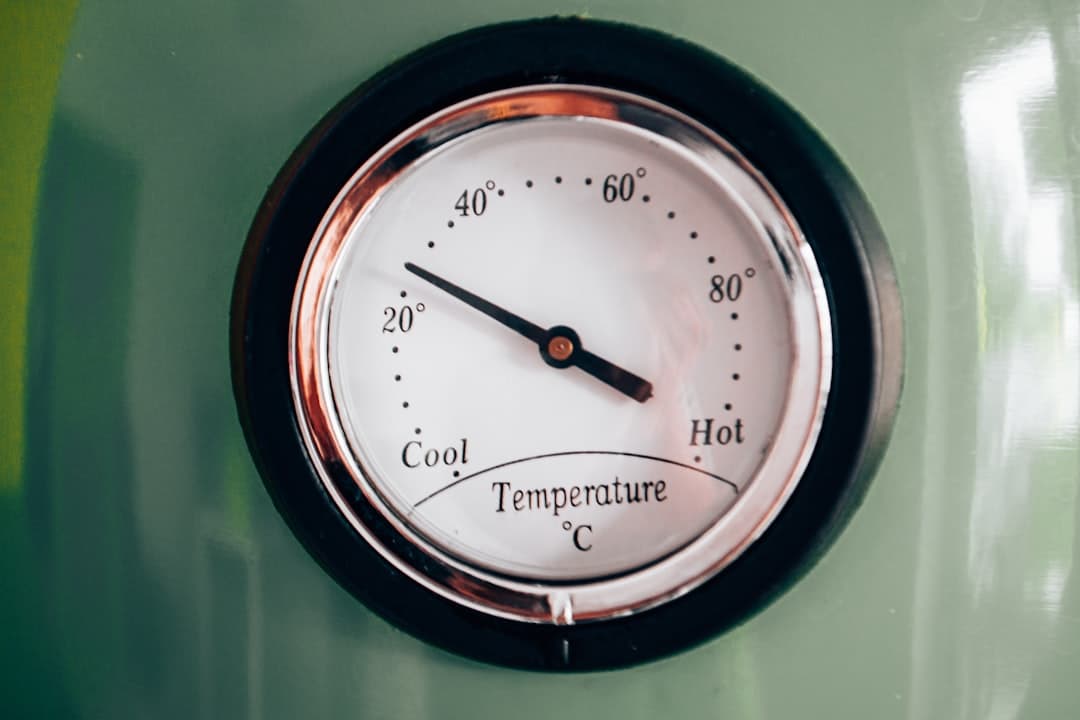 Photo: Photo by Artur Solarz on Unsplash
Fridge temperature might seem like a simple dial-and-forget detail, but in a commercial kitchen it is one of the most scrutinised elements of your entire food safety operation. Get it wrong and you risk spoiled stock, failed inspections, hefty fines, and - most seriously - making your guests genuinely ill. Get it right, and you protect your business, your reputation, and your Food Hygiene Rating in one fell swoop.
This how-to guide is written specifically for UK restaurants, hotels, pubs, and catering businesses. It goes beyond the basics to cover the commercial-kitchen realities that generic food safety advice rarely addresses: multi-zone management, HACCP documentation, Regulation EC 852/2004 obligations, staff training requirements, and what to do when temperatures start creeping up in the middle of a Saturday night service.
What Is the Correct Fridge Temperature in UK Hospitality?
The Food Safety (Temperature Control) Regulations 1995, reinforced by the Food Hygiene (England) Regulations 2006 and their devolved equivalents, set the legal maximum for refrigerated storage of most high-risk foods at 8°C. However, industry best practice - and the guidance issued by the Food Standards Agency (FSA) - is to keep your commercial fridge temperature between 0°C and 5°C. That five-degree window gives you a genuine safety buffer before you approach the legal threshold.
For hospitality operators, targeting 1°C to 4°C as your working range is sensible. It accounts for temperature fluctuations caused by door openings, hot deliveries being loaded directly in, and the sheer volume of product moving in and out during a busy shift.
UK vs International Standards at a Glance
Region / Standard | Recommended Fridge Temp | Legal Maximum | Freezer Temp |
|---|---|---|---|
UK (FSA / Food Hygiene Regs) | 0°C to 5°C | 8°C | -18°C or below |
EU (Regulation EC 852/2004) | 0°C to 5°C | Product-specific, typically 8°C | -18°C or below |
USA (FDA Food Code) | Below 4°C (40°F) | 4°C (40°F) | -18°C (0°F) or below |
Codex Alimentarius (Global) | 0°C to 5°C | 5°C | -18°C or below |
Although the UK retained Regulation EC 852/2004 into domestic law post-Brexit via the European Union (Withdrawal) Act 2018, the practical requirements remain aligned with EU standards. This matters if you operate a hotel or catering group with sites across multiple jurisdictions.
UK Legal Requirements: Regulation EC 852/2004 in Commercial Kitchens
Regulation EC 852/2004 - retained in UK law - requires food business operators to identify and control food safety hazards using HACCP principles. Temperature control is nearly always a Critical Control Point (CCP) in any HACCP plan for a hospitality business. This means you are legally required to:
Establish critical limits for each CCP - in this case, a maximum fridge temperature of 8°C (with your operational target of 0-5°C).
Monitor those limits at defined frequencies - typically at least twice daily for commercial refrigeration.
Maintain documented records of temperature checks that can be produced on request by an Environmental Health Officer (EHO).
Define corrective actions - what staff must do if a fridge is found outside the critical limit.
Verify that monitoring procedures are working - typically through periodic calibration of thermometers and review of log sheets.
Failing to meet these documentation requirements can result in a lower Food Hygiene Rating, a Hygiene Improvement Notice, or prosecution under the Food Safety Act 1990. It is not enough to simply have a cold fridge - you must be able to prove it.
How to Monitor and Log Fridge Temperatures: A Step-by-Step Approach
Setting up a robust temperature monitoring routine does not need to be complicated. Follow these steps to build a system that satisfies HACCP requirements and stands up to EHO scrutiny.
Calibrate your thermometers. Use a probe thermometer with a valid calibration certificate. Check accuracy using ice-water (should read 0°C) at least once every three months. Record calibration dates.
Check temperatures at least twice per day. Record readings at the start of service (typically morning opening) and at the end of service. In high-volume operations, a midday check is strongly recommended.
Record all readings in your HACCP temperature log. Include the fridge unit reference, the reading, the time, the staff member's name, and any corrective action taken.
Use continuous monitoring where possible. Wireless temperature sensors that push data to a management dashboard eliminate human error and provide an unbroken audit trail - particularly valuable in hotels with walk-in coldrooms.
Define and document your corrective action procedure. If a reading is above 8°C, staff must know immediately: check food condition, remove compromised stock, identify and rectify the cause (door seal, overloading, compressor fault), and record everything.
Retain records for at least three months (or as required by your local EHO). Digital logs are acceptable and are generally easier to produce quickly during an inspection.
Multi-Zone Fridge Management for Commercial Kitchens
One of the most overlooked challenges in restaurant and hotel kitchens is that a single fridge unit does not maintain a uniform temperature throughout. Studies consistently show a variation of 2°C to 4°C between the warmest and coldest zones within the same cabinet.
Top shelves tend to be warmer - avoid storing high-risk items like cooked meats or dairy here.
Bottom shelves (above the salad drawer) are typically coldest - ideal for raw meat and fish.
Door shelves experience frequent temperature swings from opening - best reserved for items with lower sensitivity such as condiments or sealed beverages.
Overfilling a fridge significantly impairs air circulation, raising the ambient temperature of every zone. In a busy prep kitchen, this is a very common cause of drift above 5°C.
For operators running multiple units - a prep fridge, a pass fridge, a walk-in coldroom, and a front-of-house drinks fridge, for example - each unit needs its own monitoring record. Assign a reference code to each unit and ensure your HACCP documentation maps to those codes clearly.
Freezer Temperature Requirements
Commercial freezers must operate at -18°C or below. This is a legal requirement under UK food hygiene regulations and is the temperature at which bacterial growth effectively halts. For hospitality businesses, key points include:
Log freezer temperatures with the same rigour as fridge temperatures - they are equally subject to HACCP requirements.
During defrost cycles, temperatures will briefly rise above -18°C. Modern commercial freezers are designed to manage this within safe parameters, but it is worth understanding your equipment's defrost schedule.
Blast chillers - used to rapidly bring hot food down to safe temperatures before refrigeration - must cool food from 70°C to below 8°C within 90 minutes. This is a separate but related CCP in your HACCP plan.
Never refreeze thawed food without cooking it first. This is a basic food safety rule that must be reinforced in staff training.
Common Temperature Mistakes in Hospitality Kitchens (and How to Fix Them)
Even well-run operations make avoidable errors. Here are the most common issues seen in restaurant and hotel kitchens, along with practical fixes.
Loading hot food directly into a cold fridge. This raises the ambient temperature significantly and can push other items into the danger zone. Always cool food to below 21°C before refrigerating, using a blast chiller or ice bath.
Propping fridge doors open during busy prep. Even five minutes of an open door can raise temperatures by several degrees. Establish a clear kitchen rule: the door stays closed unless actively in use.
Ignoring worn door seals. A deteriorated gasket is one of the most common causes of chronic temperature drift. Check seals monthly and replace them promptly - the cost is trivial compared to a stock write-off or a failed inspection.
Overstocking units beyond designed capacity. Commercial fridges are rated for a specific volume. Exceeding that volume blocks airflow and forces the compressor to work harder. In summer, when ambient kitchen temperatures spike, this is especially problematic.
Relying solely on the built-in dial thermometer. Cabinet thermometers are often inaccurate - sometimes by as much as 3°C. Always verify with a calibrated probe thermometer as part of your daily check.
Placing fridges next to heat sources. A commercial fridge positioned next to an oven, a dishwasher outlet, or in direct sunlight will work significantly harder and is more likely to drift above target temperature. Kitchen layout matters.
Staff Training Requirements for Fridge Temperature Compliance
Under Regulation EC 852/2004, food business operators must ensure that food handlers are supervised, instructed, and trained in food hygiene matters commensurate with their role. Temperature monitoring is a core competency for any kitchen or food-handling staff member. Your training programme should cover:
Why temperature control matters - including the concept of the danger zone (8°C to 63°C) and bacterial growth rates.
How to use and clean a probe thermometer correctly.
How to complete temperature log sheets accurately and honestly - including what to do when a reading is out of range.
Correct food storage practices: raw below cooked, FIFO rotation, no uncovered foods in fridges.
Escalation procedures - who to inform and what steps to take if a fridge is consistently above target temperature.
Document all training, including the date, the topics covered, and the staff member's signature. This documentation should be retained and made available to EHOs during inspections. Many operators integrate this training into induction and repeat it annually or when procedures change.
The Cost Case for Getting Fridge Temperature Right
The commercial argument for tight temperature control is as compelling as the legal one. Food waste caused by temperature excursions directly erodes your gross profit margin. In a sector where margins are typically 3% to 9%, a consistent pattern of spoiled stock can be genuinely business-threatening.
Beyond stock loss, consider the cost of a formal enforcement action: a Hygiene Improvement Notice requires you to close or restrict operations until issues are resolved. A forced closure of even two days can cost a busy restaurant tens of thousands of pounds in lost revenue, staff costs, and reputational damage.
Investing in continuous temperature monitoring technology - wireless sensors with automated alerts - typically costs less than a single day's food waste write-off. For hotel operations with multiple coldrooms and high-value perishable stock, the return on investment can be achieved in weeks.
Integrating Temperature Monitoring Into Your Food Safety Management System
Temperature control should not exist as a standalone procedure - it needs to be embedded within your broader food safety management system (FSMS). Practically, this means:
Your HACCP plan explicitly identifies fridge temperature as a CCP, with documented critical limits, monitoring frequencies, corrective actions, and verification procedures.
Temperature logs are reviewed regularly by a manager or food safety lead - not just completed and filed. Trends matter: a fridge consistently reading 6°C is a warning sign even if it has not yet breached the legal limit.
Your equipment maintenance schedule includes fridge servicing, seal inspections, and compressor checks at defined intervals.
Supplier deliveries are checked for temperature on arrival and recorded. Accepting a chilled delivery at above 8°C is a food safety risk and should trigger a rejection or escalation procedure.
Digital FSMS platforms can automate much of this, sending alerts when temperatures drift, generating audit-ready reports, and reminding staff when checks are due.
Troubleshooting Temperature Fluctuations in High-Volume Kitchens
High-volume service creates unique pressures on refrigeration that a domestic or low-traffic environment simply does not face. If your fridge temperature is fluctuating, work through this checklist:
Check the door seals for cracking, warping, or poor adhesion. Replace immediately if defective.
Assess the loading pattern. Is the unit being overfilled? Remove non-essential items and ensure adequate air circulation around stock.
Check whether hot food or warm deliveries are being placed directly into the unit.
Inspect the condenser coils for dust build-up - a blocked condenser is a very common cause of cooling failure in busy kitchens.
Review the kitchen layout - is the fridge positioned near a heat source that has recently been introduced or moved?
Call a qualified refrigeration engineer if the issue is not resolved by the above steps. Do not continue using a unit that cannot hold temperature until it has been inspected and cleared.
Managing fridge temperature in a commercial hospitality setting is not a passive task. It demands consistent monitoring, clear documentation, trained staff, and well-maintained equipment. The businesses that treat it as a genuine operational priority are the ones that achieve the highest Food Hygiene Ratings, minimise waste, and face inspections with confidence.
Frequently asked questions
What temperature should a fridge be in the UK?
In UK hospitality, commercial fridges should be kept between 0°C and 5°C as a best practice target, with 8°C being the legal maximum for most high-risk chilled foods under the Food Safety (Temperature Control) Regulations 1995. The FSA recommends aiming for 1°C to 4°C in busy commercial kitchens to provide a safety buffer against the inevitable fluctuations caused by door openings and high stock turnover.
Is a fridge colder on 1 or 5?
On most domestic and commercial fridges, a dial setting of 1 means the thermostat is set to its lowest cooling effort, resulting in a warmer temperature. A setting of 5 means the fridge is working harder and will be colder. However, dial numbering can vary by manufacturer - always verify actual temperature with a calibrated probe thermometer rather than relying on the dial setting, which can be inaccurate by several degrees.
Is 42 degrees OK for a fridge?
If you mean 42°F, that converts to approximately 5.6°C, which is slightly above the 0-5°C best practice range but still below the 8°C legal maximum in the UK. It is not ideal and suggests your fridge may be struggling. In a commercial kitchen, a persistent reading at this level should trigger an immediate check of the unit's seals, loading level, and condenser, and you should increase monitoring frequency until the issue is resolved.
Is my fridge OK at 7 degrees?
A fridge temperature of 7°C is above the FSA's recommended range of 0-5°C and is approaching the 8°C legal maximum. For a commercial hospitality setting, this is a significant concern - it provides very little safety margin, accelerates bacterial growth in high-risk foods, and would likely be flagged as inadequate during an EHO inspection. You should investigate the cause immediately, check all stored food for safety, and take corrective action before the next service.