Burnham's 20% Pub Rates Cut: A Step Forward That Still Falls Short
Andy Burnham's 20% business rates cut for pubs, clubs and music venues is a genuine step forward. But with an average pub still facing a £4,500 rise, is it enough? Our verdict.
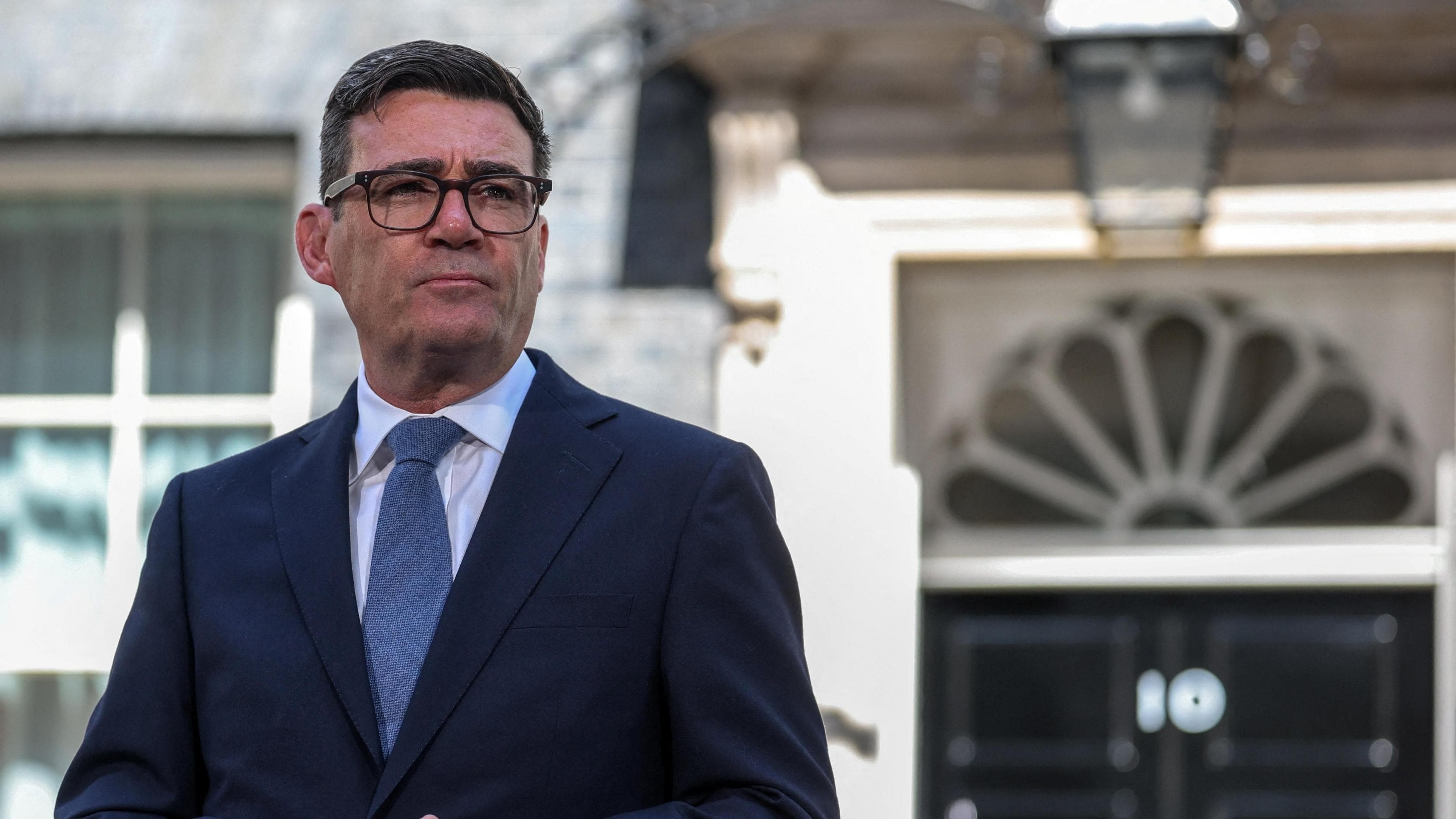 Photo: Image by 3844328 on Pixabay
On 23 July, the Prime Minister gave pubs, clubs and live music venues the headline they have wanted for years: a 20% cut to their business rates. Andy Burnham framed it as the end of governments standing by while cherished venues vanish from the high street. For a typical pub it is worth about £1,100 a year. That is real money, and after the punishing April revaluation it will be welcome in a lot of tills. But set that £1,100 next to the figure the trade bodies keep repeating and the mood changes fast. UKHospitality reckons that even with relief in place, an average pub's rates will be £4,500 higher in 2027/28 than they are today, and £7,000 higher the year after. A £1,100 discount off a £4,500 rise is help. It is not rescue.
The short version
The government's business rates cut for pubs, clubs and live music venues is 20%, covering around 32,000 premises in England from April 2027, and worth about £1,100 a year to a typical pub.
It stacks on January's 15% relief, but April's revaluation pushed the average pub's rateable value up around 30%, so UKHospitality still expects an average pub to pay £4,500 more in 2027/28 and £7,000 more in 2028/29.
Restaurants, cafes and hotels are excluded, despite facing similar or steeper cost pressure.
The direction is right, with community targeting and a higher multiplier on properties above £500,000, but it treats a symptom rather than the property-based tax underneath.
Paddl's analysis of 108,285 premises found hospitality pays around 11 times an average home's tax and receives none of the services council tax funds.
What Burnham actually announced
The cut is 20% off business rates bills for pubs, social clubs and live music venues in England, landing in April 2027. It applies to roughly 32,000 premises and sits on top of the 15% relief the government brought in back in January for 2026/27. The very largest live music venues are carved out, with the threshold to be confirmed at the Budget, and the whole thing is meant to be funded by trimming reliefs for businesses that "do not make a positive contribution to local communities" (vape shops got the specific mention) and by chasing VAT that online marketplaces should already be paying. The Treasury puts the annual cost at around £100 million.
Read the guest list carefully, though, and you notice who is not on it. Restaurants are out. Cafes are out. Hotels are out. The policy draws a line around the pub, the club and the gig, and leaves the rest of hospitality on the wrong side of it.
The context the headline skips
None of this is happening in a vacuum. April's revaluation pushed the average pub's rateable value up by around 30%, an increase of roughly £9,300 to about £40,245. At the same time the government replaced the old two-multiplier system with five bands: 38.2p below £51,000 of rateable value, 43p up to £499,999, and a higher 50.8p for properties above £500,000. The idea is that big warehouses and out-of-town sheds pay a bit more so smaller high-street premises can pay a bit less.
So the 20% is not a windfall dropped onto a stable bill. It is a discount applied to a bill that just jumped. For a lot of operators the revaluation and the multiplier reshuffle cancel out most of the relief before it reaches the bottom line. That is the part the announcement is careful not to dwell on.
Does it help? Yes, genuinely
It would be cynical to wave all of this away. The direction of travel is right, and after years of hospitality asking for a lower, permanent multiplier rather than another round of stopgap relief, a structural cut aimed squarely at community venues is a meaningful shift.
Two things in particular deserve credit. First, the targeting. Pubs and grassroots music venues really are the kind of premises that hold a town centre together, and a policy that recognises that beats a flat giveaway. Second, the £500,000 multiplier. Making the largest properties carry a higher rate to fund a lower one for everyone else is the closest any recent government has come to admitting that the rates system leans too hard on physical, footfall-heavy businesses. That principle, if it were followed through, could matter far more than the headline percentage.
Why it is still too little
And yet the closures are not slowing down. The British Beer and Pub Association counted 161 pub closures in the first quarter of 2026 alone, roughly two a day, and 26% up on the same period last year. That is happening with the 15% relief already in the system. A further 20% in April 2027 is unlikely to be the thing that turns a venue from unviable to viable when the bigger cost lines, wages, employer national insurance, energy and food inflation, are all still climbing.
Then there is the exclusion problem. A cafe that anchors a parade of shops, a family restaurant that employs 20 people, a small hotel that keeps a seaside town alive out of season: none of them are pubs, and none of them qualify. Our own report on hospitality business rates found 34,832 restaurants in England and Wales carrying a median rateable value of £27,500 and a typical bill north of £10,000. Telling that operator their neighbour's pub gets 20% off while they get nothing is not an easy conversation, and it is not obviously fair.
The funding raises an eyebrow too. A recurring £100 million a year is being pinned to a one-off-flavoured crackdown on marketplace VAT and a review of vape-shop relief. That may hold. It may not. Building permanent relief on temporary revenue is how you end up quietly withdrawing it in three years' time.
The reform nobody wants to touch
The deeper issue is the one a discount cannot fix. Business rates tax property, not profit, which means they fall hardest on exactly the businesses hospitality is made of: space-hungry, labour-intensive, low-margin. When we modelled the numbers across 108,285 premises, English and Welsh hospitality was carrying an estimated £2.92 billion in rates before relief. The average hospitality premises pays around £27,000 a year, about 11 times the £2,392 a typical Band D household pays in council tax, and it receives none of the bin collections, street lighting or social care that council tax funds.
That is the number that should be driving policy. Not what percentage to knock off this year, but why a sector that employs millions and shapes the character of every high street is taxed as if its floor space were the point. A 20% cut for pubs treats the symptom. It leaves the mechanism untouched.
The verdict
So, does the business rates cut for pubs help? Yes, a bit, for some. Is it a step in the right direction? Genuinely, and a more honest one than the annual relief rounds that came before it. Is it too little, too late? Not too late. The pub is not finished, and a government willing to make big property pay more to protect the high street is at least pointed the right way. But it is too little, and it is still dodging the reform that would actually count: a lower, permanent, sector-wide multiplier that reflects what hospitality contributes rather than how much floor space it happens to occupy.
Burnham said governments have stood by for too long. He is right. The test now is whether this is the first move toward fixing the system, or a better-aimed version of standing by.
Frequently asked questions
When does the 20% business rates cut start?
April 2027, the 2027/28 tax year. It comes on top of the 15% relief that already applies to pub and live music venue bills for 2026/27.
Who qualifies for the cut?
Around 32,000 pubs, social clubs and live music venues in England. The very largest live music venues are excluded, with the threshold due at the Budget, and restaurants, cafes and hotels are not covered.
How much will a pub actually save?
The government estimates about £1,100 a year for a typical pub. Because April's revaluation raised rateable values by around 30%, many pubs will still pay more overall than before, just less than they would have without the relief.
Do restaurants and cafes get anything?
Not from this cut. They benefit from the wider relief and multiplier changes brought in for 2026/27, but the extra 20% is limited to pubs, clubs and live music venues.
Why do business rates hit hospitality so hard?
Rates are based on a property's rateable value rather than its profit, so they fall heavily on space-intensive, low-margin businesses. Paddl's research puts hospitality's rates bill at around £2.92 billion a year before relief, roughly 11 times the council tax on an average home per premises.
The figures in this article are drawn from Paddl's UK Hospitality Business Rates Report 2026, a premises-level analysis of what hospitality actually pays.