Reactive maintenance is the expensive kind
Every venue knows planned maintenance is cheaper than fixing things after they break. Almost none of them run that way. Here is where the money actually goes, and which jobs are worth moving first.
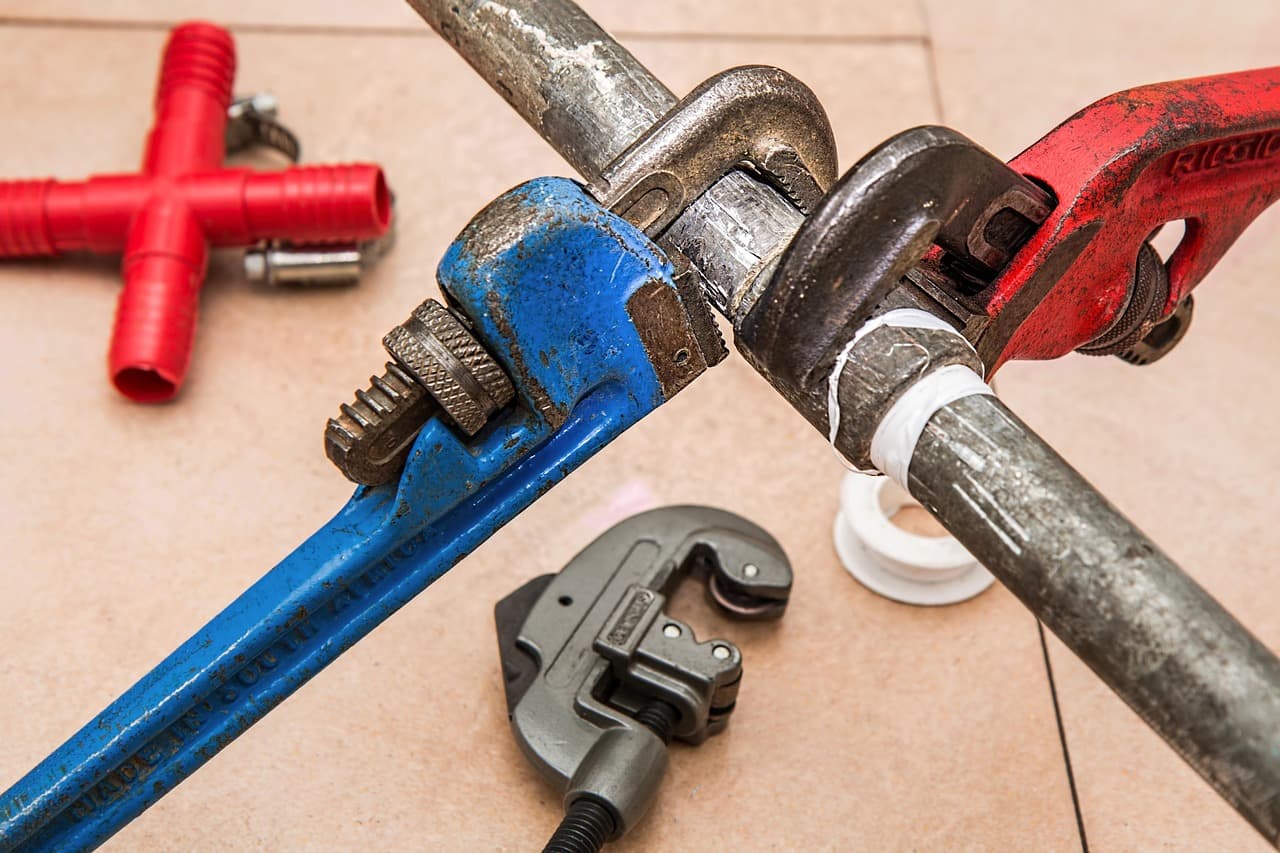
 Photo: Photo by Rohan G on Unsplash
Ask any operator whether planned maintenance is cheaper than reactive and they will say yes. Then look at the maintenance line in their accounts and it is almost all callouts. The gap between what people believe and what they run is the whole subject.
What a breakdown actually costs
The invoice is the smallest part of it. A walk-in fridge that fails on a Friday night costs you the callout, the out-of-hours premium on the callout, the stock inside it, the covers you cannot serve because half the menu is off, and a chef’s evening spent moving product into whatever cold space is left.
A serviced walk-in costs a scheduled visit at a rate you agreed in advance, in a week you chose. The same money buys a very different Friday.
The other cost is the one that does not appear anywhere: reactive work happens at the worst moment by definition, so it is always done by whoever can come today, at whatever they charge, with no quote and no comparison.
Why venues stay reactive anyway
Not because anyone thinks it is a good idea. Three reasons, in roughly this order.
Planned maintenance is a cost you can defer and a breakdown is not, so in a tight month the schedule is what gets cut. The saving is real and immediate; the cost turns up later and lands in a different month.
Nobody owns it. Reactive maintenance has an owner automatically, because something is broken and somebody is shouting. Planned maintenance has an owner only if you appoint one.
The evidence is invisible. A month where nothing broke looks exactly like a month where you got lucky, so the spend never obviously justifies itself.
What to move first
You do not have to shift everything at once, and trying to is how these efforts die. Move the jobs with the worst ratio between the cost of the service and the cost of the failure.
Refrigeration. Highest ratio in the building. A service is a couple of hundred pounds and a failure is the stock plus the trade.
Extraction. A duct clean is scheduled work with a certificate at the end; a duct fire is an insurance claim you may lose, because insurers ask for that certificate.
Anything with a legal interval. Gas, F-Gas, lift examinations. These have to happen anyway, so the only question is whether they happen on your calendar or after a reminder from somebody else.
Cellar cooling, if you are a pub. Beer quality goes long before the equipment does, and you lose the trade quietly rather than obviously.
The in-house checks are worth doing at the same time and cost nothing. Brushing a condenser coil and checking a door seal is ten minutes a month and it is most of what makes a fridge last.
How to tell whether it is working
The number to watch is not total spend, because a first year of catching up on deferred work usually costs more, not less. Watch the split: what proportion of your maintenance spend went on planned work against reactive.
A venue that has never had a schedule tends to start somewhere near all reactive. Getting to roughly half and half within a year is a realistic target, and the reactive half gets cheaper as the planned half does its job. The second number worth watching is emergency callouts, because those are the ones with the premium on them.
You cannot watch either without recording which is which, and that is the actual reason most venues have no idea what their split is. If every job is a phone call and an invoice in a drawer, there is no split to read.
The reporting is the point
Paddl records every maintenance job with what it cost, whether it was planned or reactive, and how long it sat before somebody dealt with it, and reports the split by site. That is the number that makes the case for the schedule, and it is also the number that tells you when the schedule is wrong.