What actually belongs on a PPM schedule for a UK venue
Planned preventative maintenance is the work that stops the breakdowns. Here is what belongs on the schedule for a pub, a restaurant or a hotel, how often, and which of it is required by law rather than merely expected.
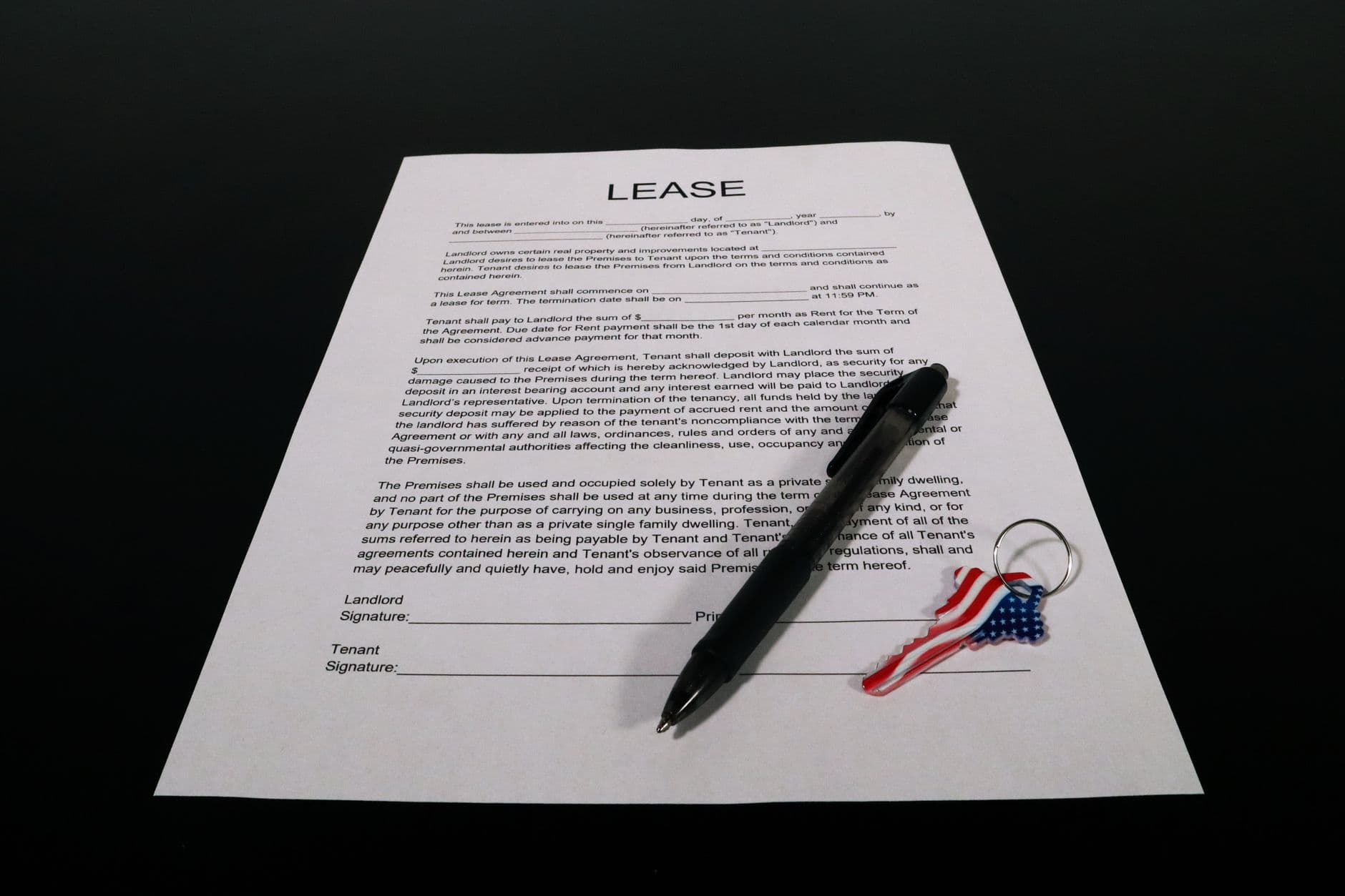
 Photo: Image by spasibokras on Pixabay
PPM stands for planned preventative maintenance, and the plain version of it is this: the servicing, testing and checking you book in advance so that things break less often. Reactive maintenance is what happens after. Most venues run almost entirely on the reactive half, which is why the maintenance line in the accounts is unpredictable and always higher than budgeted.
The other reason to have a schedule is that most of what an inspector, an insurer or a landlord asks you to produce only exists because somebody booked it. A gas safety certificate, a duct cleaning report, an EICR, an emergency lighting log. None of those are things you can go and find on the day.
Start with what the law fixes
Only a handful of intervals in a venue are set by a named regulation. It is worth knowing which, because these are the ones where being late is an offence rather than a judgement call.
Gas safety check, yearly, by a Gas Safe registered engineer, under the Gas Safety (Installation and Use) Regulations 1998. Every gas appliance and the pipework feeding it.
F-Gas leak check, yearly, on refrigerant systems above the size threshold, under the retained F-Gas Regulation. Air conditioning and larger refrigeration plant.
Thorough examination of a passenger lift, every six months, under LOLER 1998. This is separate from the service contract and a lot of operators assume the service covers it.
That is a short list, and it is not the whole of your legal exposure. Far more of the schedule sits under a statutory duty where a British Standard sets the interval instead.
Then what the standards set
Fire alarm servicing to BS 5839-1, emergency lighting to BS 5266-1, extinguishers to BS 5306-3, kitchen extract cleaning to BESA TR19 Grease, legionella control to HSE ACOP L8. The interval in each of those is guidance. The duty underneath it is not.
The practical version: if something goes wrong and you are asked why you were on a longer interval than the standard, you need a reason, and the reason needs to be a risk assessment rather than a budget. That is a defensible position. Having no interval at all is not.
Fire alarm service, twice a year, plus a call point tested weekly and logged
Emergency lighting, a short function test monthly and a full duration test yearly
Kitchen extract deep clean, every six months for a typical kitchen, quarterly for heavy frying, yearly for light use
Canopy baffle filters, washed weekly, because grease past the filters is grease in the duct
Legionella risk assessment reviewed yearly, sentinel outlet temperatures monthly, little-used outlets flushed weekly
Fixed wire test every five years, and portable appliance testing yearly in a kitchen
And then the part nobody makes you do
The rest of a good schedule is not required by anybody. Refrigeration servicing, fryer deep services, grease trap emptying, gutter clearing, an external fabric walkround. Skipping these costs money rather than a prosecution, which is precisely why they are the first thing cut in a tight month and the first thing to go wrong three months later.
The stock in one walk-in is usually worth more than a year of servicing that walk-in. Almost every damp problem inside a building starts as a gutter problem outside it. A grease trap nobody empties eventually becomes a bill from the water company.
Do not book it all in January
A schedule built in one sitting tends to land every annual visit in the same month, because that is the month you built it. Twelve contractor visits in January is a cashflow problem you invented. Spread the annual and six-monthly work across the year and keep the heavy months away from your busy ones.
The exception is anything with a fixed anniversary. A gas safety certificate runs from the date of the last one, not from when you decided to think about it.
How much of this is realistic
A typical pub with a kitchen and a cellar ends up with something like twenty tasks: four or five in-house checks that happen weekly or monthly, and a dozen or so contractor visits spread across the year. A hotel with lifts and guest rooms is more. A takeaway with no cellar and no air conditioning is considerably less.
The in-house half is the part that actually fails, and it fails for a boring reason: nobody owns it. A weekly filter clean and a monthly fire door check are five minutes each and they get missed because they live in somebody’s head rather than on a rota. Putting them on a rota is most of the win.
You can build the whole thing for your own venue with the free PPM Schedule Builder at paddl-ai.co/hospitality-tools/ppm-schedule-builder. It asks what kind of venue you run and which areas you have, and gives you the schedule with the intervals, the references and a twelve month calendar.
A schedule is not the hard part
Writing the schedule takes an afternoon. Running it is the bit that decides whether any of it happened. A printed schedule pinned to the office wall is a to-do list somebody has to remember, and it stops being accurate the first time a contractor moves a date.
In Paddl the same tasks become recurring jobs for the team and dated appointments for the contractors, overdue work gets chased, and each certificate is filed against the equipment it belongs to, so the evidence exists when somebody asks for it rather than being reconstructed from emails.