Complete Guide to Restaurant Closing Checklist for UK Hospitality Businesses
Master your nightly restaurant operations with this comprehensive closing checklist. Ensure food safety compliance, security protocols, and efficient workflows every night.
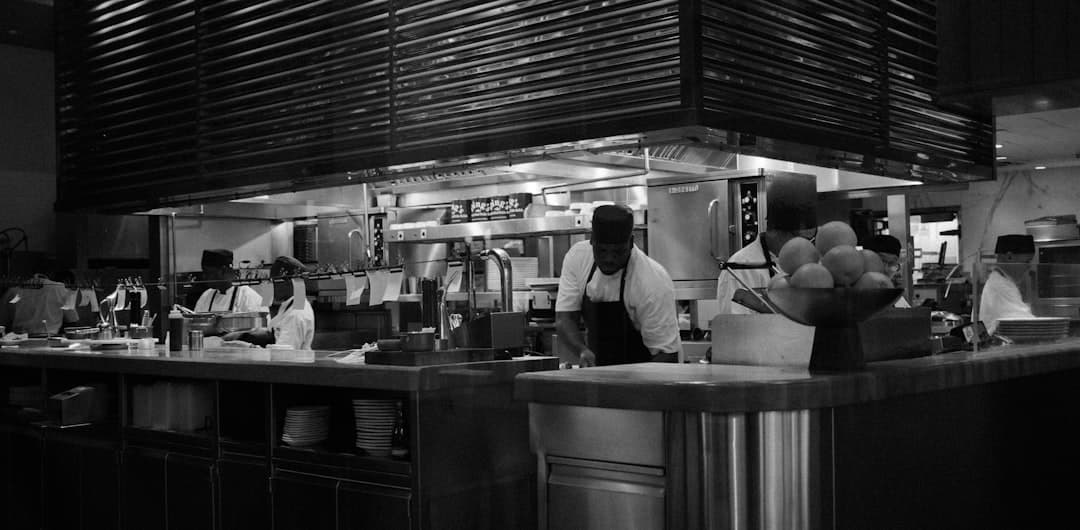
 Photo: Photo by Deane Bayas on Pexels
A properly executed restaurant closing checklist is the cornerstone of successful hospitality operations in the UK. Every evening, your establishment faces critical decisions that impact food safety, financial security, and regulatory compliance. Without systematic closing procedures, you risk costly mistakes, health violations, and operational inefficiencies that can damage your reputation and bottom line.
This comprehensive guide provides UK hospitality managers with a detailed framework for creating and implementing effective closing procedures that protect your business, ensure compliance with UK regulations, and set your team up for success the following day.
Why a Systematic Restaurant Closing Checklist Matters
The difference between profitable hospitality businesses and those struggling with losses often comes down to operational discipline. A restaurant closing checklist serves as your final line of defence against:
Food safety violations and potential FSA enforcement action
Financial discrepancies and cash handling errors
Security breaches and theft
Equipment damage from improper shutdown procedures
Inconsistent service preparation for the next trading day
Research from the British Hospitality Association indicates that businesses with documented closing procedures experience 40% fewer operational incidents and maintain higher customer satisfaction scores. Your restaurant closing checklist becomes a critical quality assurance tool that protects your investment and reputation.
Kitchen Closing Procedures and Food Safety
Your kitchen closing procedures form the foundation of food safety compliance and HACCP adherence. Every element must align with UK food safety regulations to protect customers and avoid costly violations.
Temperature monitoring represents your most critical closing task. Document the final temperatures of all refrigeration units, freezers, and hot holding equipment. Record these readings in your food safety log, ensuring they meet FSA requirements. Any deviations require immediate corrective action and documentation.
Food storage protocols demand meticulous attention during closing procedures. Properly label and date all prepared items, ensuring first-in-first-out rotation principles. Store raw ingredients according to contamination prevention guidelines, with raw meats positioned below ready-to-eat items. Check that all food containers are sealed and stored at appropriate temperatures.
Equipment sanitisation must follow your documented cleaning schedules. Deep clean all food contact surfaces using approved sanitisers, paying particular attention to cutting boards, knives, and preparation areas. Run final wash cycles on dishwashers and ensure all equipment is properly dried and stored.
Waste disposal procedures require strict adherence to environmental health standards. Secure all food waste in appropriate containers, clean bin areas, and ensure pest control measures remain effective. Document any unusual waste levels that might indicate portion control issues or food spoilage problems.
Front of House Closing Tasks
Front of house closing procedures ensure customer areas meet hygiene standards and prepare the space for efficient service resumption. These tasks directly impact customer perception and operational efficiency.
Table and seating area sanitisation requires thorough attention to detail. Clean and sanitise all surfaces, including tables, chairs, and high-touch areas like door handles and menu holders. Replace table settings and condiments according to your hygiene protocols, ensuring everything meets customer expectations.
Bar area closing involves multiple compliance considerations. Secure all alcoholic beverages according to licensing requirements, clean all glassware and bar equipment, and document any stock discrepancies. Ensure your premises licence obligations are met regarding alcohol storage and access control.
Customer area preparation for the next day includes setting up clean table layouts, checking lighting and atmosphere controls, and ensuring all customer-facing equipment functions properly. Test point-of-sale systems and address any technical issues before opening.
Security and Cash Handling Protocols
Proper security measures protect your business from theft, fraud, and break-ins. Your restaurant closing checklist must include comprehensive security protocols that safeguard physical assets, cash, and sensitive information.
Cash reconciliation procedures require systematic verification of all transactions. Balance till receipts against sales records, document any discrepancies, and secure cash in approved safes or deposit systems. Implement dual-control procedures for cash handling to reduce theft risk and ensure accountability.
Physical security measures include checking all entry points, activating alarm systems, and ensuring proper lighting in car parks and exterior areas. Document any security concerns and address maintenance issues promptly. Verify that CCTV systems are functioning and covering critical areas.
Data security considerations involve backing up point-of-sale systems, securing customer information, and ensuring compliance with GDPR requirements. Log out of all systems properly and secure any paper records containing personal data.
Compliance Documentation and Records
UK hospitality businesses must maintain detailed records for regulatory compliance, insurance purposes, and operational analysis. Your closing procedures should include systematic documentation that supports your legal obligations and business intelligence needs.
HACCP documentation requires daily completion of critical control point monitoring forms. Record temperature logs, cleaning schedules completion, and any corrective actions taken during the shift. These records demonstrate due diligence during environmental health inspections and support food safety defence claims.
Incident reporting forms must be completed for any accidents, customer complaints, or food safety concerns that occurred during service. Document witness statements, corrective actions taken, and follow-up requirements. This information proves invaluable for insurance claims and continuous improvement initiatives.
Staff attendance and performance records support employment law compliance and operational planning. Note any disciplinary issues, training needs, or exceptional performance that requires recognition or development action.
Staff Management and Handover Procedures
Effective staff management during closing procedures ensures smooth transitions between shifts and maintains service quality consistency. Your restaurant closing checklist should facilitate clear communication and accountability among team members.
Shift handover documentation captures critical information for incoming staff. Note any equipment issues, special customer requests for the following day, stock shortages, or maintenance requirements. This communication prevents service disruptions and demonstrates professional management standards.
Staff performance evaluation during closing provides opportunities for immediate feedback and recognition. Address any concerns promptly and acknowledge excellent performance to maintain team motivation and standards.
Training requirement identification helps maintain competency levels and regulatory compliance. Document any skills gaps observed during service and schedule appropriate training interventions to address these needs.
Technology Integration for Closing Procedures
Modern hospitality management software can streamline your restaurant closing checklist and improve compliance documentation. Digital systems offer significant advantages over paper-based procedures, including automated reminders, data analysis capabilities, and remote monitoring options.
Digital checklist systems ensure consistent completion of closing tasks while providing real-time visibility for managers. Staff members can update task completion status, add notes about issues discovered, and automatically notify supervisors of problems requiring attention.
Automated temperature monitoring systems can integrate with your closing procedures, providing continuous monitoring and alerting capabilities. These systems support HACCP compliance while reducing manual documentation requirements and improving accuracy.
Integrated reporting capabilities help identify trends, common issues, and opportunities for operational improvement. Analyse closing procedure data to optimise staff scheduling, identify training needs, and improve overall efficiency.
Common Mistakes to Avoid
Understanding common closing procedure mistakes helps protect your business from avoidable problems. These issues frequently impact hospitality businesses and can be prevented through proper planning and staff training.
Rushing through closing procedures due to time pressure, leading to incomplete tasks and compliance gaps
Inadequate documentation that fails to meet regulatory requirements or support insurance claims
Poor communication between shifts that creates service disruptions and customer dissatisfaction
Inconsistent application of closing procedures across different staff members or shifts
Failure to address equipment issues promptly, leading to service disruptions and higher repair costs
Creating Your Customised Closing Checklist
Every hospitality business requires a tailored restaurant closing checklist that reflects specific operational requirements, regulatory obligations, and business objectives. Consider your establishment's unique characteristics when developing these procedures.
Start by conducting a comprehensive assessment of all closing tasks currently performed in your operation. Identify gaps where procedures are inconsistent or undocumented, and prioritise areas with the highest risk or compliance requirements.
Engage your team in the development process to ensure procedures are practical and achievable. Staff members who perform these tasks daily often identify efficiency improvements and practical challenges that management might overlook.
Test and refine your restaurant closing checklist through practical application and feedback collection. Monitor completion times, identify bottlenecks, and adjust procedures based on real-world experience. Regular review and updating ensure your procedures remain effective and relevant.
Implement training programmes that ensure all staff members understand and can execute closing procedures consistently. Provide regular refresher training and update procedures as regulations, equipment, or business requirements change.
A well-designed restaurant closing checklist transforms nightly closing from a rushed afterthought into a strategic business activity that protects your investment, ensures compliance, and sets the foundation for continued success. Invest in proper procedures now to avoid costly problems later.